Trainual: A Comprehensive Analysis of Modern Knowledge Management and Organizational Scaling


As organizations scale, the transition from informal knowledge sharing to a structured, institutionalized system becomes a critical inflection point for operational success. Research from the McKinsey Global Institute indicates that employees spend approximately 20% of their work week searching for internal information or tracking down colleagues to assist with specific tasks. This "knowledge gap" often manifests as inconsistent onboarding, fragmented policy adherence, and a significant drain on senior leadership’s time as they pivot from strategic initiatives to repetitive training duties. Trainual, a cloud-based learning and process documentation platform, has emerged as a primary solution for companies seeking to institutionalize their internal expertise. By digitizing standard operating procedures (SOPs) and converting them into role-based training modules, the platform aims to mitigate the inefficiencies inherent in rapid organizational growth.
The Evolution of Knowledge Management
The necessity for platforms like Trainual is rooted in the shift toward remote and hybrid work environments. Historically, tribal knowledge—the information stored in the heads of long-tenured employees—was transferred through physical mentorship and proximity. In a distributed workforce, this traditional model fails, leading to a decline in productivity and a lack of process standardization. Trainual’s arrival in the SaaS market represented a strategic shift away from generic, third-party Learning Management Systems (LMS). Unlike platforms that sell pre-packaged educational content, Trainual functions as a "knowledge operating system," where the company’s internal methodology is the core curriculum.
Core Features and Operational Infrastructure
At its architectural heart, Trainual provides a centralized repository for SOPs, policies, and procedural documentation. By replacing disparate shared folders and fragmented documents with a structured, searchable interface, the platform allows for greater accountability. Key features include:
- Documentation Suite: Built-in editors that support text, images, video, and flowchart integration. This allows for the capture of nuanced workflows rather than static text.
- AI-Enhanced Discovery: With the integration of AI-powered search, the platform enables employees to query a vast library of documentation and receive immediate, context-aware answers, effectively reducing the time-to-competency for new hires.
- Role-Based Learning Paths: Administrators can assign specific curriculum tracks based on job titles, ensuring that an employee in marketing receives different training than an employee in engineering. This eliminates "information overload" and keeps training relevant.
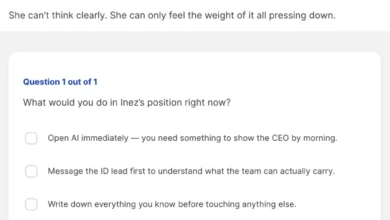
- Knowledge Verification: Beyond passive reading, the platform incorporates assessments and knowledge checks, providing data-driven assurance that employees have not only consumed the material but comprehended it.
- Audit Readiness: Through eSignature capabilities and compliance tracking, organizations can maintain a digital trail of policy acknowledgement, which is vital for industries with stringent regulatory requirements.
Strategic Implications for Business Growth
The adoption of a structured knowledge platform carries significant implications for human resources and operations. When a company moves from an undocumented state to a documented one, the "cost of onboarding" drops substantially. Data suggests that companies with effective onboarding processes can improve new hire retention by over 80%. By automating the delivery of training materials, managers are liberated from manual supervision, allowing them to focus on high-value output. Furthermore, the use of visual org charts and explicit responsibility mapping clarifies the division of labor, which is essential for avoiding the "silo effect" that plagues growing firms.
Pricing Structure and Tiered Service Levels
Trainual employs a tiered subscription model designed to scale with the organizational lifecycle. The current pricing structure includes:
- Core Plan: Aimed at smaller teams or startups, this tier provides foundational documentation, AI search, and group training paths. At a price point of $249 per month (billed annually) for ten users, it is designed to provide immediate structure without excessive overhead.
- Pro Plan: This tier introduces advanced accountability features, including individual training paths, video transcription, and accountability charts. It is tailored for organizations that have moved past the initial startup phase and require more rigorous oversight.
- Premium Plan: Focused on enterprise-level customization, this tier offers unlimited video hosting, custom branding, and single sign-on (SSO) capabilities. It is designed for mid-market firms that require seamless integration with existing corporate identity.
- Enterprise Plan: The top-tier offering provides API access, custom security documentation (SOC2), and dedicated support. This is designed for large-scale deployments where complexity, security, and global coordination are the primary concerns.
Comparative Analysis and Market Position
In the broader ecosystem of enterprise software, Trainual sits between generic documentation tools like Notion or Confluence and full-scale HRIS platforms. While tools like Notion excel at general-purpose documentation, they lack the specific pedagogical features—such as mandatory testing, completion tracking, and automated reminders—that Trainual offers. Conversely, compared to traditional enterprise LMS providers, Trainual is significantly more agile and user-friendly, prioritizing the creation of "living" documents over the consumption of static, third-party industry courses.
Integration and Technological Connectivity
For any knowledge management system to be effective, it must exist within the "flow of work." Trainual achieves this by integrating with common HRIS, payroll, and communication platforms such as Slack. By pushing notifications and reminders directly into the tools that employees already use, the platform ensures that training is treated as a component of daily operations rather than an isolated, periodic chore. This connectivity is essential for maintaining high engagement levels across distributed teams.
Challenges and Considerations for Adoption
While the benefits of centralized knowledge are evident, organizations must account for the initial "labor of documentation." Trainual is a tool that requires input to generate value; it does not automatically generate expertise. The most successful implementations occur when companies designate a "Knowledge Manager" or prioritize the time required for subject matter experts to document their processes. Failure to invest the time to build the library often leads to underutilization. Additionally, as content libraries grow, maintenance becomes a recurring task. Organizations must establish a lifecycle for their documents—regularly reviewing and updating SOPs to ensure they remain current with evolving business practices.
Future Outlook and Conclusion
The trajectory of the workplace suggests that the demand for "just-in-time" learning will only increase. As companies continue to lean into remote-first or hybrid models, the ability to document and distribute knowledge with precision will be a primary competitive advantage. Trainual’s focus on structured accountability and role-specific learning aligns with these trends.
For organizations evaluating the platform, the decision-making process should be guided by a clear assessment of their current operational pain points. Companies experiencing "onboarding fatigue," where managers spend excessive time repeating instructions, or those facing compliance risks due to undocumented policies, are the primary beneficiaries. Ultimately, the cost of the platform must be weighed against the long-term gains in operational efficiency, the reduction in error rates, and the acceleration of employee productivity. In the current economic landscape, where agility and speed of execution are paramount, the investment in a robust knowledge management infrastructure is not merely a logistical upgrade—it is a foundational component of organizational longevity.