The Rise of Good Baklava: How Jacob Komarow Transformed a Viral Side Hustle into a Culinary Phenomenon

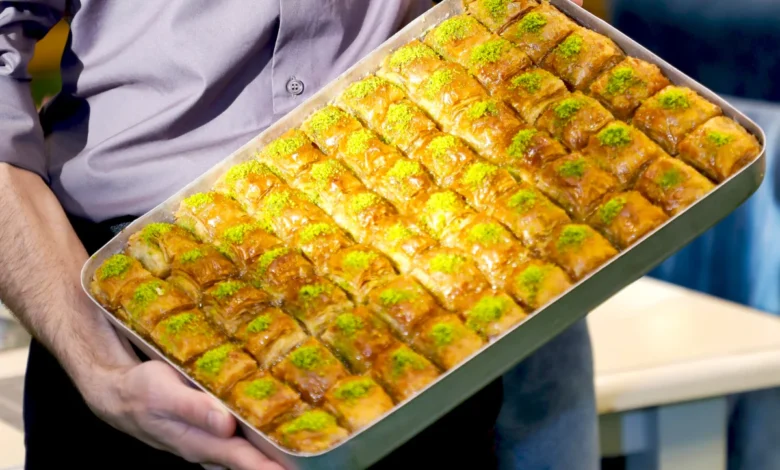
The story of Jacob Komarow, the 30-year-old entrepreneur affectionately dubbed the "Baklava Guy" by New York City locals, is a masterclass in modern street-level commerce and the power of digital virality. What began as a spontaneous gamble outside a concert venue has evolved into a legitimate, multi-channel business enterprise. By blending traditional retail tactics with social media savvy, Komarow has successfully carved out a niche in the hyper-competitive New York food scene, proving that even a humble pastry can sustain a growing company without the overhead of a permanent physical storefront.
The Genesis of a Business Gamble
The foundation of Good Baklava was not built in a boardroom or through extensive market research, but rather through an impulsive bet in September 2021. While traveling to a Phish concert in California, Komarow purchased three trays of ready-made baklava from a Middle Eastern grocery store. Faced with skepticism from a friend who doubted the viability of reselling the product to concertgoers, Komarow set out to prove otherwise. The result was a resounding success; he not only sold the entire inventory but did so at a significant profit, effectively tripling his initial investment.
This initial success acted as a catalyst. For the subsequent three years, Komarow operated in the "gig economy" space, utilizing music festivals and outdoor gatherings as his primary points of sale. He spent these years refining his sales pitch and understanding consumer behavior, treating the side hustle as a continuous testing ground. The transition from a part-time hobby to a full-time professional pursuit occurred gradually, fueled by a commitment to quality and a growing realization that there was a consistent demand for high-quality, authentic Turkish pastries in urban settings.
A Journey of Personal and Professional Redemption
Komarow’s ascent is framed by a deeply personal narrative of recovery. After dropping out of high school, he spent years navigating the challenges of drug addiction. His entry into the world of business coincided with his path to sobriety; he had been sober for six months when he first began selling baklava in 2021. Today, more than five years into his recovery, Komarow often speaks of his business as a source of structure and purpose.
The business model, which relies on mobility and agility, mirrors his need to remain active and connected to his community. By operating out of a van and setting up temporary stands, he bypasses the exorbitant commercial rents that often stifle small businesses in New York City. This "roaming" approach has become the hallmark of the brand, allowing him to follow crowds—from Madison Square Garden during the Knicks playoffs to bustling city parks during the summer months.
Strategic Sourcing and Supply Chain Logistics
While the business model is informal, the product itself is rooted in tradition. Recognizing that his customer base valued authenticity, Komarow sought out a high-caliber supplier. During a visit to a Turkish food vendor in Paterson, New Jersey, in the spring of 2022, he discovered a producer whose product immediately stood out for its quality and texture.
He subsequently entered into a partnership with a bakery in Gaziantep, Turkey—a city globally renowned for its baklava. This international supply chain ensures that the product Komarow sells is consistent and authentic. By importing the pastries directly, he maintains an "unlimited supply," according to his recent statements, which allows him to scale his operations during peak demand periods, such as the holiday season. The logistical complexity of importing perishable goods from Turkey to the United States is a testament to the sophistication behind what might otherwise appear to be a simple street-vending operation.
Data-Driven Growth and Market Fluctuations
The financial performance of Good Baklava highlights the volatility inherent in non-traditional retail. According to recent reports, the business has generated an average of $20,000 in monthly sales over the past nine months. However, these figures are subject to significant seasonal swings. In December 2025, for instance, the company achieved a record-breaking $70,000 in sales, bolstered by holiday orders and increased gift-giving. In contrast, the following month saw a contraction, with sales dipping below $10,000.
These fluctuations have taught Komarow the importance of diversification. While in-person sales—where a three-piece portion typically retails for $10 to $15—remain a primary driver, the online storefront has become an essential safety net. A 12-pack of baklava is available on the company’s website for approximately $30, providing a steady revenue stream that is not dependent on foot traffic or favorable weather conditions.
The Power of Viral Marketing and Institutional Recognition
The turning point for Good Baklava’s visibility was a combination of social media engagement and traditional media validation. A series of viral videos, featuring Komarow handing out pastries to enthusiastic fans outside Madison Square Garden, introduced his brand to a global digital audience. This digital presence was further solidified in June 2026, when a profile in The New York Times brought the business to the attention of mainstream media.
Komarow noted that the media exposure acted as a "wildfire" for his business, leading to a surge in inquiries from corporate brands interested in partnerships. In the months following the profile, Good Baklava collaborated with entities such as the wireless carrier US Mobile, Acme Smoked Fish, and various local restaurants. These partnerships represent a pivot toward B2B (business-to-business) revenue, which provides more stability than the unpredictable nature of street vending.
Implications for the Modern Entrepreneur
The trajectory of Good Baklava offers several key insights into the current state of the retail and food industry:
- Lowering Barriers to Entry: By avoiding a permanent storefront, entrepreneurs can test products with minimal capital expenditure. The success of Good Baklava demonstrates that a strong brand identity and a quality product can overcome the lack of a physical address.
- The "Hyper-Local" Advantage: Komarow’s success is intrinsically tied to the culture of New York City. He has successfully positioned his product as a staple of the city’s vibrant, outdoor-centric social life. His assertion that the business could not have survived elsewhere underscores the importance of matching a business model to its specific urban environment.
- Adaptability as a Competitive Edge: The ability to pivot between street vending, online direct-to-consumer sales, and corporate partnerships has allowed the business to weather the natural ebbs and flows of the market.
- The Role of Content Creation: In the digital age, a founder’s personal story and their ability to document their process on social media can be as valuable as the product itself. The "Baklava Guy" persona has become an asset that humanizes the brand and fosters customer loyalty.
Future Outlook and Sustainability
As Good Baklava moves forward, the primary challenge will be maintaining growth while preserving the authenticity that made it a success. The transition from a solo operator to a more structured entity will likely require further investment in logistics and possibly a dedicated workspace, even if a traditional retail storefront remains unnecessary.
Komarow’s journey from the streets of New York to the pages of major publications serves as a compelling narrative of resilience. While he maintains that he is still "just showing up and celebrating with New York," the reality is that he has built a scalable, data-informed business that challenges traditional notions of what a successful food enterprise looks like. Whether the business continues to scale or remains a nimble, high-profit boutique operation, it has already secured its place as a unique success story in the modern American culinary landscape. The "Baklava Guy" has proven that with a combination of grit, social media reach, and a high-quality product, an entrepreneur can turn a simple, syrupy sweet into a significant, enduring success.
Related posts: