Background and Context: The Evolution of HR Tech Networking
The landscape of HR technology in the mid-2010s was characterized by rapid expansion and the emergence of specialized software solutions designed to tackle everything from talent acquisition to performance management. As the market became increasingly fragmented, the necessity for interoperability and strategic partnerships became paramount. Companies were no longer operating in silos; rather, the "best-of-breed" approach required vendors to integrate their platforms with other market leaders to provide a seamless experience for the end-user.
Traditional networking events, while effective, often presented high costs regarding travel, time, and logistical overhead. For many startups and leanly staffed organizations, the commitment required to attend multiple annual summits was prohibitive. The Nov 14th Virtual Partnership Event was conceived as a solution to this friction, providing a curated environment where decision-makers could identify potential partners and engage in substantive discussions without leaving their offices.
Chronology of the Virtual Partnership Event
The event was structured to maximize efficiency, utilizing a streamlined scheduling process that allowed participants to browse a directory of attendees and pre-book virtual meetings. The lead-up to the event involved a rigorous vetting process, ensuring that those who participated were positioned to form genuine, value-added alliances.
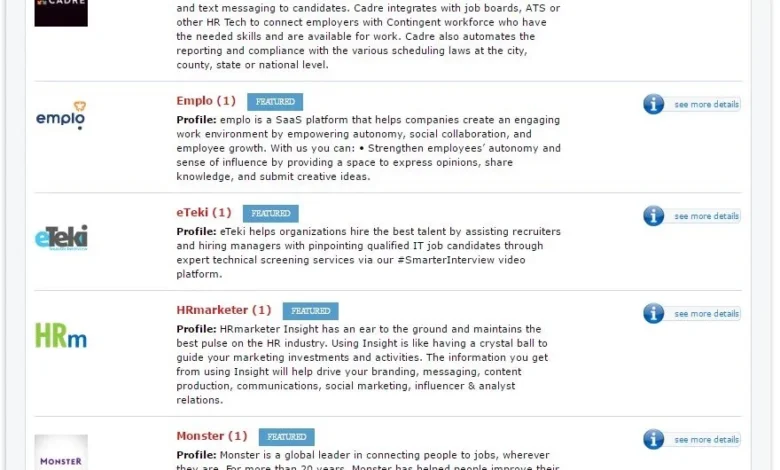
On the day of the event, the schedule was back-to-back, with participants engaging in high-speed, targeted conversations. Unlike large-scale tradeshows where serendipity dictates the quality of connections, this event relied on intent-based scheduling. Participants reported that the ability to vet profiles—specifically enterprise and corporate members featured on the event’s proprietary discovery portal—was the primary driver of their success. By the conclusion of the day, attendees had collectively participated in hundreds of brief, high-value meetings, resulting in a measurable uptick in signed partnerships and pilot projects.
Analyzing the Impact of Virtual Connectivity
The data emerging from the post-event feedback highlights a notable shift in business development metrics. For many participants, the return on investment (ROI) was immediate. Danielle Sayre, Director of Partnerships & Alliances at Beyond.com, reported that out of 11 meetings conducted throughout the day, she successfully secured one signed partnership and identified five to six additional high-potential prospects. This conversion rate—exceeding 50% for potential leads—demonstrates the effectiveness of the event’s curated networking model.
Other participants, including representatives from APS Payroll, noted that the event allowed them to formalize three new partnerships in a single day, a feat that would typically require weeks of email outreach and multiple site visits to achieve. This acceleration of the business development cycle is a critical advantage in the fast-paced HR tech sector, where "first-mover" advantage often dictates long-term market share.
Broadening the Scope: Institutional and Startup Synergy
A significant aspect of the event was the intersection of established corporate entities and agile startups. The "Featured Attendees" section of the virtual portal acted as a signal, helping participants navigate the crowded landscape to find partners with complementary technology stacks.

Steven Rothberg, President of the job search site College Recruiter, emphasized that the ease of navigation within the participant directory was a cornerstone of the event’s success. By removing the complexity of identifying suitable partners, the event allowed for more meaningful, substantive conversations. This sentiment was echoed by organizations such as HRTechCon, which highlighted the opportunity to connect with emerging companies that might have otherwise remained under the radar.
From a broader economic perspective, these partnerships are vital for the health of the HR technology market. When a specialized recruiting platform partners with a payroll provider, or an applicant tracking system integrates with a candidate assessment tool, the ultimate beneficiary is the HR professional. These integrations reduce administrative burden and provide a more holistic view of the employee lifecycle. The success of this event signals that the future of industry networking lies in these hyper-targeted, digital interactions.
Industry Implications and Future Outlook
The implications of the November 14, 2016, event extend beyond the immediate gains of the participants. The success of this model suggests that the traditional trade show format may be heading toward a hybrid future. While in-person conferences will likely remain relevant for brand building and keynote presentations, the transactional element of business development—the "deal-making"—is increasingly finding a home in the virtual space.
For HR tech vendors, the ability to network from one’s desk, as noted by the team at Activ8 Intelligence, represents a reduction in operational expenses and an increase in agility. As the industry continues to evolve, the ability to identify, vet, and partner with other firms in a matter of hours will become a core competency for successful companies.
Furthermore, the enthusiastic feedback from firms like GoHiring, which praised the event as "well organized" and "valuable," underscores a growing demand for professional, high-quality virtual environments. The industry has reached a level of maturity where vendors are no longer interested in generic networking; they require platforms that facilitate specific, actionable outcomes.
Strategic Conclusion
As we reflect on the Nov 14th, 2016, Virtual Partnership Event, it is clear that the event succeeded because it addressed a specific pain point in the market: the need for efficient, targeted business development. By creating a digital forum that allowed for a high volume of quality connections in a condensed timeframe, the organizers provided a template for future professional engagement.
The evidence is overwhelming: participants left with actionable leads, signed contracts, and a broadened network of industry peers. For an industry as dynamic and interconnected as HR technology, the ability to pivot to these virtual, high-speed networking formats is not just a temporary adjustment to digital trends, but a fundamental evolution of the business development process. As organizations continue to scale, the lessons learned from this event—that efficiency, curation, and accessibility are the keys to successful partnership—will undoubtedly shape the next decade of HR technology development and collaboration.
In summary, the event proved that geographic barriers no longer define the limits of a company’s partnership ecosystem. Instead, the focus has shifted toward the quality of the interaction and the strategic alignment of the participating firms. As the market looks toward the future, the success of this virtual model serves as a benchmark for what is possible when technology is utilized to bridge the gap between potential partners, regardless of where they are located.
Related posts: