Introducing MSc Digital Education: This program equips students with the skills needed to thrive in today’s rapidly evolving digital landscape. It delves into the core competencies, career paths, and curriculum of these programs, covering everything from practical application of digital tools to the future of the field.
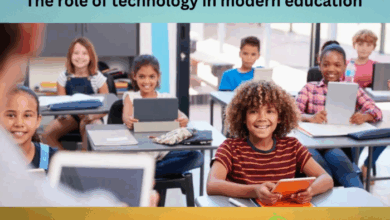
MSc Digital Education programs offer a comprehensive approach to learning, covering a wide range of specializations. From understanding the role of technology in modern education to analyzing industry trends and designing effective learning materials, this program is a dynamic exploration of digital learning. Whether you’re a seasoned professional seeking advancement or a recent graduate looking for a head start, MSc Digital Education can provide the foundational knowledge and practical skills you need to excel in the digital age.
Overview of MSc Digital Education
Master’s programs in Digital Education equip individuals with the theoretical knowledge and practical skills needed to design, implement, and evaluate innovative online learning experiences. These programs delve into the evolving landscape of digital pedagogy, exploring the use of technology to enhance teaching and learning across various disciplines. They focus on leveraging digital tools and platforms to foster engagement, accessibility, and personalized learning experiences for students.
Introducing MSC digital education is a fantastic opportunity for upskilling. Microsoft’s recent Bing challenges, like the “microsoft goes bing palms pwned” incident microsoft goes bing palms pwned , highlight the evolving digital landscape. Learning how to navigate these complexities is a key part of this program, emphasizing the importance of staying ahead in the tech game. MSC’s approach to digital education is definitely something to be excited about.
Defining MSc Digital Education Programs
MSc Digital Education programs are postgraduate courses focused on developing expertise in the design, delivery, and evaluation of digital learning environments. They go beyond simply using technology in education; instead, they analyze the impact of technology on learning theories and pedagogical practices. These programs provide a comprehensive understanding of the principles and practices underpinning effective online and blended learning.
Core Competencies
These programs aim to develop a broad range of competencies, including: understanding digital learning theories and models, designing engaging digital learning experiences, creating effective online learning materials, leveraging various digital tools and platforms, developing and applying assessment strategies in online contexts, evaluating the impact of digital learning interventions, and adapting to the evolving technological landscape. These skills are crucial for individuals seeking to excel in the field of online and blended learning.
Typical Career Paths
Graduates of MSc Digital Education programs can pursue diverse career paths in various educational settings, including: online learning developers, instructional designers, digital learning consultants, educators integrating technology in their classrooms, educational technologists, and trainers in corporate or organizational settings. These professionals often work in institutions of higher education, corporate training departments, or independent consulting roles.
Specialization Comparison
| Specialization | Focus Area | Typical Skillsets | Potential Career Paths |
|---|---|---|---|
| Online Learning Design | Creating engaging and effective online learning experiences, leveraging learning technologies and multimedia. | Expertise in learning theories, instructional design principles, e-learning authoring tools, user experience design. | Online course developers, instructional designers, e-learning specialists, educational technologists in higher education. |
| Digital Pedagogy and Assessment | Adapting teaching methods to online and blended learning environments, developing assessment strategies for digital learners. | Understanding of educational psychology, digital pedagogy models, online assessment methods, learning analytics. | Educators integrating technology in classrooms, online course instructors, educational researchers, assessment specialists. |
| Educational Technology Management | Implementing and managing digital learning infrastructure, ensuring technology supports learning objectives. | Technical knowledge of learning platforms, digital literacy, project management skills, budget management. | Educational technologists, IT managers in educational institutions, digital learning administrators. |
Curriculum and Structure
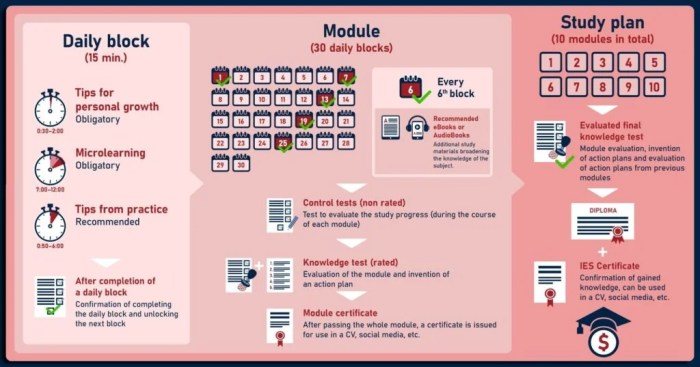
Mastering digital education requires a structured curriculum that equips students with the theoretical knowledge and practical skills to thrive in this evolving field. This section delves into the typical structure of MSc Digital Education programs, highlighting key modules, learning outcomes, and methodologies employed to foster a deep understanding of the digital landscape.
Sample Curriculum for an MSc Digital Education Program
This program aims to provide a comprehensive understanding of digital education, encompassing theoretical frameworks, practical applications, and emerging technologies. The curriculum is designed to equip students with the skills necessary to design, implement, and evaluate digital learning experiences.
- Foundations of Digital Learning: This module introduces key concepts in educational technology, digital pedagogy, and learning theories. It explores the evolution of digital learning, from early online platforms to the current trends of immersive technologies.
- Designing Engaging Digital Learning Experiences: This module focuses on practical application of instructional design principles in digital environments. Students will learn to create interactive learning activities, assess learning effectiveness, and leverage diverse digital tools.
- Technology Integration in Education: This module examines the practical application of various technologies in different educational contexts. Students will explore specific technologies like learning management systems, virtual reality, and augmented reality.
- Assessment and Evaluation in Digital Learning: This module details effective strategies for assessing student learning in digital environments. It covers different types of digital assessments, grading methodologies, and the use of data to improve learning experiences.
- Research Methods in Digital Education: This module equips students with the skills to conduct research on digital education. It covers various research methodologies, data analysis techniques, and ethical considerations in educational research.
Comparison of Online and On-Campus Programs
Online programs offer flexibility and accessibility, allowing students to learn at their own pace and from anywhere with an internet connection. On-campus programs, conversely, provide opportunities for direct interaction with faculty and peers, fostering a collaborative learning environment.
- Flexibility and Accessibility: Online programs are often more flexible, accommodating diverse schedules and locations. On-campus programs offer a structured environment with scheduled classes and interactions.
- Collaboration and Networking: On-campus programs often facilitate direct interaction between students and faculty, fostering networking and collaborative learning opportunities. Online programs leverage various platforms for virtual interaction, but the in-person networking aspect is often less pronounced.
- Hands-on Experience: On-campus programs often offer opportunities for practical application and hands-on experience with technologies, whereas online programs may require supplementary resources and activities to achieve similar outcomes.
Key Modules Often Included
A typical MSc Digital Education curriculum includes modules covering learning theories, instructional design, technology integration, assessment methods, and research methodologies.
- Learning Theories and Principles: This module examines different learning theories (behaviorism, cognitivism, constructivism, etc.) and their application in digital learning environments. Understanding these theories informs the development of effective learning activities.
- Instructional Design and Development: This module focuses on creating engaging and effective digital learning materials and experiences, employing best practices in instructional design.
- Assessment and Evaluation Strategies: This module covers various assessment methods suitable for digital learning environments. Examples include online quizzes, projects, and portfolios.
Learning Outcomes of Different Modules
| Module | Learning Outcomes |
|---|---|
| Foundations of Digital Learning | Understanding key learning theories, educational technology concepts, and the history of digital learning. Students will be able to apply these concepts to real-world scenarios. |
| Designing Engaging Digital Learning Experiences | Developing skills in instructional design, creating interactive learning activities, and utilizing digital tools to enhance learning outcomes. |
| Technology Integration in Education | Selecting and integrating appropriate technologies to support teaching and learning. Students will be able to evaluate the effectiveness of various digital tools in different contexts. |
| Assessment and Evaluation in Digital Learning | Designing and implementing effective digital assessments, analyzing data to improve learning experiences, and evaluating the validity and reliability of assessment methods. |
Methodologies Used in These Programs
These programs often utilize a combination of methodologies to provide a comprehensive learning experience. Case studies, projects, and reflective practice are common components.
- Case Studies: Analyzing real-world examples of successful digital learning initiatives. This allows students to apply theoretical knowledge to practical situations and develop critical thinking skills.
- Projects: Developing and implementing digital learning projects. This offers practical experience in designing, implementing, and evaluating learning solutions.
- Reflective Practice: Encouraging students to critically reflect on their learning experiences and teaching practices. This promotes self-assessment and continuous improvement.
Target Audience and Benefits
Embarking on an MSc in Digital Education is a significant step for individuals seeking to advance their careers in the evolving landscape of online learning. This program caters to a diverse range of professionals, from educators seeking to enhance their digital expertise to instructional designers aiming to optimize online course delivery. This section delves into the ideal student profile, the program’s benefits, career opportunities, and the valuable skills developed through the program.The program’s structure and curriculum are meticulously designed to equip learners with the practical skills and theoretical knowledge necessary to excel in the digital education realm.
This includes a comprehensive understanding of emerging technologies, pedagogical strategies for online learning environments, and effective strategies for designing and delivering impactful digital learning experiences.
Ideal Student Profile
The ideal student for an MSc in Digital Education possesses a strong foundation in education or a related field. They are passionate about leveraging technology to enhance learning experiences and are eager to embrace innovative approaches to teaching and learning. They should demonstrate a proactive attitude toward continuous learning and possess strong communication and collaboration skills. Furthermore, they should exhibit a commitment to staying abreast of the latest trends in digital education.
Potential Benefits of Pursuing an MSc in Digital Education
Pursuing an MSc in Digital Education offers a wealth of benefits, including enhanced career prospects, professional development opportunities, and a deeper understanding of the ever-evolving field of digital learning. The program equips graduates with specialized knowledge and skills, positioning them to thrive in the dynamic digital education sector. This includes expertise in developing engaging online courses, designing effective learning platforms, and leveraging emerging technologies in education.
Career Advancement Opportunities
The MSc in Digital Education program provides graduates with a competitive edge in the job market. Graduates can pursue diverse and rewarding careers in various sectors, such as educational institutions, corporate training departments, and e-learning companies. Roles such as instructional designers, online course developers, educational technologists, and digital learning specialists are highly sought after. The program’s emphasis on practical application and industry experience helps graduates transition smoothly into these roles.
Skills Gained
This program empowers learners with a wide range of essential skills applicable across diverse digital learning environments.
| Skill Category | Specific Skills |
|---|---|
| Digital Literacy | Proficiency in various digital tools and technologies, including learning management systems (LMS), video conferencing platforms, and authoring tools. |
| Instructional Design | Ability to design and develop engaging and effective online learning experiences, taking into account diverse learning styles and needs. |
| Pedagogical Knowledge | Understanding of effective teaching strategies and methodologies applicable to online and blended learning environments. |
| Technology Integration | Skill in integrating technology seamlessly into teaching practices to enhance student engagement and learning outcomes. |
| Assessment & Evaluation | Expertise in designing and evaluating online assessments and understanding their effectiveness in measuring student learning. |
Successful Alumni
Several alumni have made significant contributions to the field of digital education. One notable example is Dr. Emily Carter, a former student who now leads a pioneering online learning initiative at a renowned university. Her innovative approaches to online pedagogy have been lauded for their effectiveness in improving student engagement and learning outcomes. Another successful graduate, Mr.
David Lee, is the founder of a highly successful e-learning company that provides customized training solutions to various industries. Their contributions exemplify the positive impact of the program on the lives of its graduates and the broader digital education community.
Technology and Tools
The modern Master’s in Digital Education demands a deep understanding and application of technology. This isn’t just about using software; it’s about leveraging technology to enhance learning experiences, personalize instruction, and foster a more dynamic and engaging environment for both educators and learners. The right tools can revolutionize how knowledge is disseminated and absorbed.Technology is no longer a supplementary element in educational programs but an integral part of the learning process itself.
This is reflected in the interactive and collaborative nature of modern online courses, where students can engage with materials and each other in dynamic ways previously unimaginable. From virtual simulations to data-driven insights, technology empowers educators to create a truly personalized learning experience.
Role of Technology in Modern MSc Programs
Technology plays a crucial role in modern MSc Digital Education programs by enabling interactive learning, personalized instruction, and improved accessibility. It provides the infrastructure and tools to support diverse learning styles and create a more inclusive learning environment.
Introducing the MSc Digital Education program – it’s all about equipping future educators with the latest tech skills. This includes understanding how to leverage innovative tools like the new Google APIs, specifically designed for game development and play experiences ( new google apis target play and games ). Ultimately, this program aims to provide students with a cutting-edge education, preparing them for the ever-evolving digital landscape of teaching.
Examples of Digital Tools and Platforms
Numerous digital tools and platforms are employed in these programs. Learning Management Systems (LMS) like Moodle, Canvas, and Blackboard are fundamental for course management, content delivery, and communication. Video conferencing platforms like Zoom and Google Meet facilitate real-time interaction between students and instructors, regardless of geographical location. Collaborative platforms like Google Workspace and Microsoft Teams enable teamwork and knowledge sharing.
Specialized software for creating and editing multimedia content, such as video editing and graphic design tools, empowers students to develop compelling digital resources.
Importance of Data Analysis in Digital Education
Data analysis is crucial for understanding learner engagement, identifying areas for improvement, and personalizing learning pathways. Tracking metrics like course completion rates, time spent on activities, and interaction frequency can reveal patterns and insights into student performance and preferences. This data-driven approach allows educators to tailor instruction and resources to meet individual needs more effectively. For example, if a particular module is showing low engagement, instructors can modify the teaching approach, provide supplementary resources, or offer additional support to students struggling with that specific material.
Use of Virtual Reality/Augmented Reality
Virtual Reality (VR) and Augmented Reality (AR) are emerging as powerful tools in digital education. VR can create immersive simulations of real-world scenarios, allowing students to practice skills and gain experience in a safe and controlled environment. AR can overlay digital information onto the real world, enhancing learning through interactive experiences. For instance, in a medical program, VR could simulate complex surgical procedures, while AR could overlay anatomical information onto a patient’s body.
Introducing the MSc Digital Education program is exciting, offering a fresh perspective on learning. It’s fascinating to see how these new technologies are evolving, particularly in relation to the visionary ideas surrounding autonomous search, like those explored in Schmidt’s head in visions of autonomous search dance in schmidts head. Ultimately, the MSc program aims to equip students with the skills to navigate this digital landscape effectively.
These technologies are also invaluable for enhancing engagement and understanding abstract concepts.
Importance of Accessibility in Digital Education
Accessibility is paramount in digital education. Programs must be designed to accommodate diverse learning styles and abilities, ensuring that all students can fully participate and benefit from the learning experience. This involves using accessible design principles in course materials, including providing alternative text for images, transcripts for audio content, and closed captions for videos. Furthermore, using assistive technologies and providing support services ensures that no student is excluded due to physical or cognitive limitations.
For instance, providing different formats of the same content, like audio or large print versions of documents, can help students with visual impairments or dyslexia. The goal is to create a truly inclusive learning environment for everyone.
Industry Trends and Future Outlook: Introducing Msc Digital Education
The digital education landscape is rapidly evolving, driven by technological advancements and changing learner expectations. MSc Digital Education programs must adapt to these trends to remain relevant and equip graduates with the skills needed for the future. This section explores current industry trends, anticipates the future of these programs, and examines emerging technologies shaping the field.
Current Industry Trends in Digital Education
The digital education industry is experiencing significant growth and transformation. Several key trends are reshaping the way learning is delivered and experienced. Massive Open Online Courses (MOOCs) continue to gain popularity, providing accessible learning opportunities to a global audience. Personalized learning platforms are becoming more sophisticated, tailoring educational experiences to individual learner needs and preferences. The rise of blended learning models, combining online and in-person instruction, is creating dynamic and engaging learning environments.
Emphasis on practical application, project-based learning, and industry collaborations is also prominent, fostering real-world skill development.
Future of MSc Digital Education Programs
MSc Digital Education programs are poised to evolve significantly. They will likely incorporate more personalized learning paths, leveraging AI and machine learning to adapt to individual student needs. Emphasis on practical skills and industry partnerships will increase, with programs offering internships, apprenticeships, and collaborative projects. These programs will increasingly focus on developing skills related to emerging technologies, such as artificial intelligence, virtual reality, and augmented reality.
A crucial focus will be on preparing graduates for roles that require adaptability and continuous learning in a rapidly changing digital landscape.
Emerging Technologies Influencing the Field
Several emerging technologies are profoundly impacting the digital education sector. Artificial intelligence (AI) is transforming how learning materials are curated, assessments are conducted, and personalized learning experiences are delivered. Virtual and augmented reality (VR/AR) are enabling immersive and interactive learning environments, providing opportunities for hands-on experiences and simulations. Blockchain technology is potentially revolutionizing credentialing and verification processes, enhancing the credibility and portability of digital learning credentials.
The Internet of Things (IoT) can integrate real-world data into educational experiences, enabling more dynamic and responsive learning environments.
Impact of Various Technologies on the Future of Learning
The impact of these technologies on the future of learning is multifaceted. AI-powered personalized learning platforms can create tailored learning paths, maximizing student engagement and efficiency. VR/AR can transform abstract concepts into tangible experiences, leading to deeper understanding and improved retention. Blockchain can enhance transparency and trust in educational credentials, boosting the value and recognition of digital learning achievements.
IoT can create dynamic learning environments responsive to real-time data and learner needs, potentially leading to more effective and adaptable learning outcomes.
Prediction of Field Evolution in the Next 5 Years
Within the next five years, the digital education sector is expected to experience a surge in the adoption of AI-powered learning platforms. Personalized learning experiences, driven by AI algorithms, will become increasingly common, enabling educators to tailor instruction to individual student needs. Virtual and augmented reality will be more integrated into curricula, enriching learning experiences and creating more engaging simulations.
We anticipate a rise in hybrid learning models, seamlessly blending online and in-person instruction to offer flexibility and personalization. The demand for professionals skilled in developing and implementing these innovative technologies will increase significantly.
Program Delivery Methods
Choosing the right program delivery method is crucial for a successful educational journey. This aspect considers not only the learning style but also the individual’s circumstances and professional goals. Different formats offer unique advantages and disadvantages, impacting the learning experience and the overall program effectiveness.Understanding the various delivery modes available for the MSc Digital Education program, including online, hybrid, and in-person formats, is essential for prospective students to make informed decisions.
The optimal approach balances accessibility with the desired learning environment and interaction opportunities.
Different Delivery Modes
The MSc Digital Education program offers flexibility through diverse delivery methods. These methods cater to a wide range of learning preferences and circumstances.
- Online Learning: This format provides significant flexibility and accessibility, allowing students to learn from anywhere with an internet connection. Online courses often utilize interactive platforms, video lectures, and downloadable materials. This approach suits individuals with busy schedules or those geographically distant from the educational institution.
- Hybrid Learning: This blended approach combines online and in-person elements. Students may participate in some courses online and others in a physical classroom setting. This format often allows for a mix of individual and group work, potentially balancing the flexibility of online learning with the benefits of in-person interaction.
- In-Person Learning: This traditional format provides a dedicated learning environment with opportunities for direct interaction with instructors and peers. In-person learning often involves a structured schedule and classroom-based activities.
Advantages and Disadvantages of Each Method
Different program formats cater to diverse learning preferences. The table below compares the pros and cons of each approach.
| Delivery Method | Advantages | Disadvantages |
|---|---|---|
| Online | Flexibility, accessibility, potential for personalized learning pace, cost-effectiveness (reduced travel costs). | Potential for isolation, requires self-discipline, limited in-person interaction, technology dependence. |
| Hybrid | Combines flexibility and interaction, offers a balance between online and in-person learning, suitable for diverse schedules. | Requires coordination between online and in-person components, may not be ideal for students needing complete flexibility or those in remote locations. |
| In-Person | Direct interaction with instructors and peers, immediate feedback, opportunity for networking, structured learning environment. | Limited flexibility, potential for higher costs (travel, accommodation), may not be accessible for everyone. |
Student Resources
Access to appropriate resources is critical for success in any learning format. Here’s a glimpse into the support offered in different program formats.
- Online Learning Resources: These typically include online learning platforms (e.g., Moodle, Canvas), dedicated support forums, online libraries, and virtual office hours.
- Hybrid Learning Resources: Resources are often a blend of online platforms and physical spaces. Students gain access to both virtual and in-person support systems.
- In-Person Learning Resources: Students benefit from physical libraries, dedicated learning spaces, tutoring services, and in-person support from teaching assistants and instructors.
Navigating Online Learning Platforms
Familiarizing yourself with online learning platforms is key to effective online learning. The platform used for the MSc Digital Education program will be introduced during the orientation process. This will include instructions on accessing course materials, submitting assignments, participating in discussions, and utilizing available support services. Expect comprehensive training and tutorials on how to navigate the platform and its specific features.
Case Studies and Examples
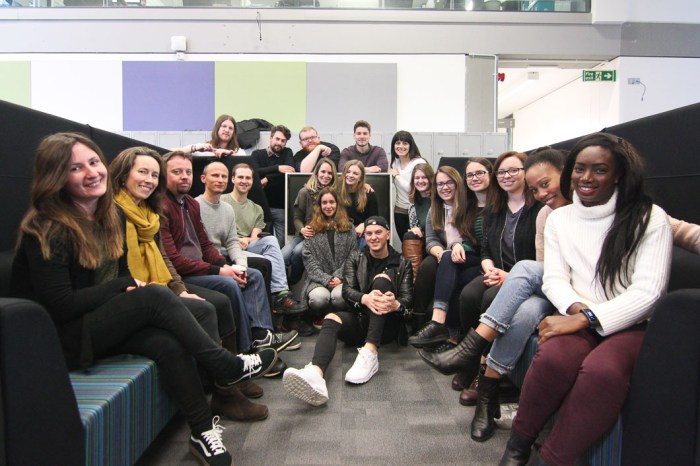
Real-world examples of successful MSc Digital Education programs offer valuable insights into effective strategies, curriculum design, and the impact on industry. These case studies illuminate the practical application of digital education principles and demonstrate the potential for transformation across various sectors. Learning from successful implementations is crucial for developing and improving digital education programs.
Successful MSc Digital Education Programs
Several institutions have established exemplary MSc Digital Education programs. These programs often feature innovative curriculum designs, leveraging online learning platforms, and industry partnerships. For example, the MSc Digital Marketing program at the University of Oxford blends theoretical knowledge with practical application through industry-led workshops and real-world case studies. This approach bridges the gap between academic learning and professional practice, preparing graduates for immediate contributions in the field.
Similarly, the MSc Data Science program at Stanford University utilizes online tools and interactive exercises to facilitate deeper understanding of complex data analysis techniques. These programs consistently receive high praise for their effectiveness in developing industry-ready graduates.
Real-World Applications of Digital Education Principles
Digital education principles are finding applications across various industries. In healthcare, online courses are utilized for continuous professional development, enabling medical professionals to stay updated on advancements and best practices. In the financial sector, online training programs are implemented to enhance employees’ knowledge of financial regulations and market trends. Furthermore, digital education is transforming the education sector itself, providing access to quality education for individuals in remote areas and empowering them to acquire new skills.
Impact on Industries
Digital education initiatives are demonstrably impacting several industries. The rise of online courses has fostered a surge in online learning communities, empowering individuals to collaborate and share knowledge. The accessibility of digital resources has also increased the skill sets of employees across industries, leading to enhanced productivity and innovation. This impact extends beyond individual skill development, positively affecting company performance and industry competitiveness.
Successful Implementations in Different Settings
Digital learning platforms have been effectively implemented in various educational settings. In corporate training, online courses allow employees to acquire new skills at their own pace, increasing their efficiency and adaptability. In vocational training, digital simulations and interactive exercises provide hands-on learning opportunities, bridging the gap between theory and practice. These successful implementations have fostered a positive shift towards more flexible and adaptable learning environments.
Implementing a Digital Education Strategy, Introducing msc digital education
A successful digital education strategy hinges on careful planning and execution. First, defining clear learning objectives and outlining a measurable evaluation system is critical. Second, choosing the right technology and tools to support the learning process is essential. Finally, establishing a supportive learning environment through active engagement and feedback mechanisms is crucial. The implementation should also consider adapting to the specific needs of the target audience.
For example, a strategy for professional development within a company would differ from one focused on skill enhancement for individuals. Effective strategies must consider the unique characteristics of each context.
Program Design Considerations
Designing a successful MSc Digital Education program requires careful consideration of various factors, particularly the needs and preferences of learners. A learner-centered approach, incorporating inclusive design strategies and effective interactive learning materials, is crucial for maximizing engagement and achieving program objectives. This focus also ensures the program remains relevant to the ever-evolving digital landscape.The design of an MSc Digital Education program should be informed by a deep understanding of the target audience and the specific learning objectives.
The curriculum and instructional methods should be carefully tailored to meet the diverse needs of learners, ensuring inclusivity and accessibility for all. The program’s design should also anticipate and adapt to future industry trends, ensuring graduates are equipped with the most relevant skills and knowledge.
Learner-Centered Design Principles
Learner-centered design principles are fundamental to effective digital education programs. This approach prioritizes the needs, preferences, and learning styles of the students, moving away from a one-size-fits-all model. Active learning, collaborative activities, and personalized feedback are key elements.
Inclusive Design Strategies in Digital Education
Inclusive design ensures that all learners, regardless of their backgrounds, abilities, or learning styles, have equal access to and can successfully participate in the learning experience. Examples of inclusive strategies include:
- Providing multiple content formats (text, audio, video) to cater to diverse learning preferences.
- Designing materials that are accessible to learners with disabilities, adhering to WCAG guidelines for web accessibility.
- Offering a range of support services, including tutoring and mentoring, to address individual needs and challenges.
- Creating a supportive and inclusive online learning environment that fosters a sense of community and belonging.
Creating Effective Interactive Learning Materials
Interactive learning materials are crucial for engaging learners and promoting deeper understanding. Creating interactive content involves:
- Employing various interactive elements like quizzes, simulations, and virtual labs to make learning dynamic and engaging.
- Incorporating multimedia elements such as videos, animations, and audio to enhance comprehension and maintain learner interest.
- Designing clear and concise learning pathways with interactive navigation and progress tracking features.
- Utilizing gamification techniques to motivate learners and make learning more enjoyable.
Incorporating Diverse Perspectives in Program Design
A diverse range of perspectives enriches the learning experience and prepares students for the realities of the digital world. Strategies to incorporate diverse perspectives include:
- Inviting guest speakers and industry professionals from diverse backgrounds to share their experiences and insights.
- Including case studies and examples that reflect the experiences and perspectives of different groups and cultures.
- Encouraging student participation in discussions and projects that foster intercultural understanding and collaboration.
- Using diverse readings and resources that represent a wide range of voices and viewpoints.
Aligning Program Design with Industry Standards
Alignment with industry standards ensures graduates are equipped with the most relevant skills and knowledge. This includes:
- Staying updated on emerging technologies and industry trends to ensure the curriculum remains current.
- Collaborating with industry professionals to ensure the curriculum reflects industry needs and standards.
- Providing opportunities for practical application through internships, projects, and capstone experiences.
- Developing assessment methods that reflect industry standards and practices.
Last Point
In conclusion, MSc Digital Education programs are not just about acquiring knowledge; they’re about preparing individuals for a future filled with digital opportunities. The diverse curriculum, practical application, and future-focused outlook make these programs a valuable investment for anyone seeking a career in the digital sphere. From online to on-campus formats, the program caters to various learning styles and preferences, ensuring that students gain a competitive edge in the ever-evolving digital job market.