

Clinical scientist cardiac sciences is a fascinating field dedicated to advancing our understanding and treatment of heart conditions. From defining the role and responsibilities of a clinical scientist in cardiac research to exploring the critical role of clinical trials, this exploration delves into the core elements of this important profession. This in-depth look covers everything from research methodologies to ethical considerations, highlighting the multifaceted nature of this vital area of study.
Clinical scientists in cardiac sciences bridge the gap between cutting-edge research and practical applications. Their work is essential for developing innovative treatments, diagnostic tools, and preventative strategies to improve cardiovascular health. This overview examines the diverse aspects of their work, providing insights into the various career paths, research areas, and collaborative efforts that drive progress in this field.
Defining Clinical Scientist in Cardiac Sciences: Clinical Scientist Cardiac Sciences
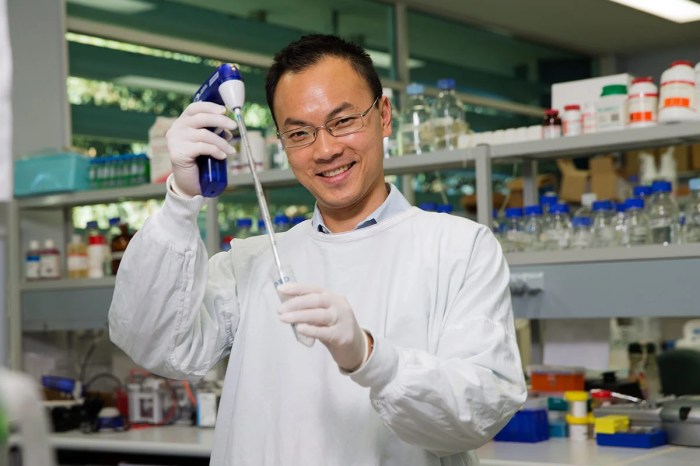
A clinical scientist in cardiac sciences is a vital bridge between basic research and clinical practice. They are experts in cardiovascular health, using scientific methods to investigate, understand, and improve the diagnosis and treatment of heart conditions. Their work often involves collaborating with physicians, researchers, and other healthcare professionals to translate research findings into tangible benefits for patients.Their unique expertise allows them to contribute to various aspects of cardiac care, from developing novel diagnostic tools to evaluating the effectiveness of new therapies.
Their contributions extend beyond the lab; they often participate in clinical trials and patient care, fostering a strong link between scientific discovery and practical application.
Definition of a Clinical Scientist in Cardiac Sciences
A clinical scientist in cardiac sciences is a healthcare professional who combines in-depth scientific knowledge with clinical expertise to advance the understanding and treatment of heart diseases. They utilize scientific methodologies to investigate cardiovascular mechanisms, conduct clinical research, and translate research findings into practical applications for patients. Their work often involves close collaboration with clinicians, researchers, and other healthcare professionals to achieve meaningful improvements in patient care.
Key Roles and Responsibilities
Clinical scientists in cardiac sciences play a multifaceted role, encompassing research, development, and implementation of new strategies for heart health. Their responsibilities include conducting experiments, analyzing data, designing and executing clinical trials, and interpreting results to improve patient outcomes. They may also contribute to the development of new diagnostic tools and therapies, and educate other healthcare professionals on the latest research findings.
Furthermore, they actively participate in disseminating knowledge through publications, presentations, and workshops.
Educational Background and Qualifications
A doctoral degree (PhD or MD/PhD) in a relevant field like cardiovascular biology, pharmacology, or a related discipline is typically required. Post-doctoral training focused on cardiac research and clinical practice is also common. Strong statistical analysis skills, experience with clinical trial design, and the ability to interpret and communicate complex data are essential. A deep understanding of the principles of cardiovascular physiology and pathophysiology is critical for success in this field.
Comparison with Cardiologists and Other Professionals
While cardiologists focus primarily on patient care and diagnosis, clinical scientists in cardiac sciences are focused on research and translating findings to improve patient care. Cardiologists typically have extensive clinical experience, whereas clinical scientists emphasize scientific methodology and data interpretation. Clinical scientists often work closely with cardiologists, but their roles are distinct. Other related professionals, such as cardiac nurses or technicians, provide essential support but have a different scope of practice compared to clinical scientists.
For example, cardiac nurses provide direct patient care, while cardiac technicians perform diagnostic tests.
Career Paths in Cardiac Sciences
| Career Path | Description | Typical Tasks |
|---|---|---|
| Clinical Research Scientist | Conducts and manages clinical research studies, focusing on developing and evaluating new treatments and diagnostic tools. | Designing research protocols, recruiting participants, collecting and analyzing data, reporting results. |
| Translational Research Scientist | Bridges the gap between basic research and clinical application, translating laboratory findings into clinical practice. | Developing new diagnostic tests, investigating the effectiveness of new therapies, collaborating with clinicians to implement findings. |
| Scientific Advisor | Provides scientific expertise and guidance to healthcare organizations, industry partners, or government agencies. | Conducting literature reviews, presenting research findings, consulting on research protocols, providing expert testimony. |
| Educational Specialist | Develops and delivers educational programs to healthcare professionals on the latest advancements in cardiac sciences. | Designing and conducting workshops, creating educational materials, presenting at conferences, mentoring junior researchers. |
Research Areas of Clinical Scientists in Cardiac Sciences
Clinical scientists in cardiac sciences play a vital role in advancing our understanding and treatment of heart conditions. Their research is critical for developing new diagnostic tools, therapies, and preventive strategies. Their work bridges the gap between basic scientific discoveries and their application in patient care. This exploration delves into the key research areas and the methodologies employed by these professionals.Clinical scientists in cardiac sciences employ a diverse range of methodologies to investigate various aspects of heart health.
These methods range from rigorous epidemiological studies to sophisticated laboratory experiments. Their research contributes significantly to our understanding of cardiovascular diseases, improving patient outcomes.
Disease Mechanisms
Understanding the intricate pathways underlying cardiovascular diseases is paramount. Clinical scientists investigate the molecular and cellular mechanisms driving conditions like atherosclerosis, heart failure, and arrhythmias. This involves analyzing genetic factors, environmental influences, and interactions between different biological systems. For instance, research might focus on how inflammation contributes to the development of atherosclerosis, or the specific genetic mutations associated with inherited cardiomyopathies.
Experimental studies utilizing cell cultures, animal models, and human tissue samples are common approaches.
Drug Development
A critical area of research involves the development and evaluation of novel drugs to treat cardiovascular diseases. Clinical scientists play a key role in preclinical studies, evaluating the efficacy and safety of potential therapeutic agents. They assess the drug’s impact on specific disease mechanisms, considering factors like dosage, pharmacokinetics, and potential side effects. A crucial component of this research is conducting rigorous trials to determine the optimal dosage and to assess the long-term effects on patients.
Diagnostic Tools
The development of improved diagnostic tools is another important area of research. Clinical scientists contribute to the creation and validation of new techniques for detecting and assessing heart conditions. This can include the refinement of existing imaging modalities, such as echocardiography or cardiac MRI, or the development of novel biomarkers for early disease detection. The aim is to enhance the accuracy and efficiency of diagnosing cardiovascular diseases, leading to earlier interventions and improved patient outcomes.
The implementation of machine learning algorithms to analyze complex medical data and develop predictive models for risk stratification is also a focus.
Prevention Strategies
Clinical scientists are also actively involved in investigating strategies to prevent cardiovascular diseases. Research focuses on identifying modifiable risk factors, such as diet, exercise, and smoking, and exploring interventions to reduce their impact. Epidemiological studies, observational studies, and clinical trials are employed to evaluate the effectiveness of different preventive measures. For instance, the impact of dietary interventions on blood pressure regulation or the effectiveness of smoking cessation programs are key areas of investigation.
Research Questions for Clinical Scientists in Cardiac Sciences
- What are the long-term effects of different cardiac rehabilitation programs on patient outcomes, such as quality of life and functional capacity?
- How can personalized medicine approaches be implemented to tailor treatments for patients with specific genetic predispositions to cardiovascular diseases?
- Can novel biomarkers be developed for early detection of cardiovascular diseases, allowing for timely intervention and improved patient outcomes?
- What are the specific mechanisms through which lifestyle interventions, such as exercise and diet, reduce the risk of developing cardiovascular diseases?
- How can the use of artificial intelligence and machine learning be integrated into the development of new diagnostic and treatment strategies for cardiac conditions?
Clinical Trials and Clinical Scientists
Clinical trials are the cornerstone of medical advancement, providing rigorous evidence for the safety and efficacy of new treatments and interventions. Within this crucial process, clinical scientists play a pivotal role, acting as the bridge between research and patient care. Their expertise is essential in ensuring the ethical conduct, methodological soundness, and ultimately, the translational value of clinical trials.Clinical scientists contribute significantly to the design, execution, analysis, and interpretation of clinical trials related to cardiac conditions.
Their deep understanding of both the scientific principles underpinning these conditions and the practical aspects of patient care is vital for the success of these studies. This expertise allows them to translate complex scientific findings into actionable strategies for improving patient outcomes.
Role in Clinical Trial Design and Execution
Clinical scientists are instrumental in formulating the research question, developing the study design, and selecting appropriate study participants. Their knowledge of relevant cardiac pathophysiology and existing literature is crucial in creating a rigorous and well-defined trial protocol. They also ensure compliance with ethical guidelines and regulatory requirements, ensuring the safety and well-being of all participants. This meticulous approach minimizes risks and maximizes the reliability of the data gathered.
Clinical scientist cardiac sciences is a fascinating field, requiring a blend of scientific knowledge and practical skills. Finding opportunities in this area in the UK can be quite rewarding, as the UK has a robust healthcare system and many research institutions. Exploring career paths and salary expectations for this profession in the UK is essential for aspiring professionals.
work in the uk provides insightful data on employment trends and compensation. Ultimately, pursuing a career as a clinical scientist in cardiac sciences in the UK offers a stimulating and impactful career path.
Steps Involved in Conducting a Clinical Trial
The process of conducting a clinical trial involves several key steps, each demanding careful consideration and execution:
- Defining the Research Question: This involves clearly articulating the specific hypothesis to be tested, which should be grounded in current understanding of cardiac conditions and informed by previous research findings.
- Developing the Study Protocol: The protocol details the study design, including the selection criteria for participants, the intervention or treatment being evaluated, the outcome measures, and the data collection methods. A clinical scientist is pivotal in ensuring this is robust and ethically sound.
- Participant Recruitment and Enrollment: Clinical scientists work to identify and recruit eligible participants, ensuring that the sample accurately represents the target population. This often involves collaborating with healthcare providers and community organizations.
- Data Collection and Management: Clinical scientists play a crucial role in collecting, managing, and analyzing data from the trial. This involves careful record-keeping and adherence to the protocol. The accuracy and completeness of data are paramount.
- Data Analysis and Interpretation: The results of the trial are analyzed statistically, and clinical scientists contribute their expertise in interpreting these findings in the context of existing knowledge and understanding of cardiac conditions.
- Dissemination of Findings: Finally, the results of the trial are disseminated through peer-reviewed publications and presentations at conferences. Clinical scientists contribute to communicating the findings effectively to both the scientific community and the wider public.
Clinical Scientist’s Contribution to Data Analysis and Interpretation
Clinical scientists utilize their expertise in statistics, epidemiology, and clinical medicine to analyze the data collected during the trial. This includes identifying patterns, trends, and correlations in the data, and critically evaluating the results in relation to the initial research question. Their role is not just about statistical analysis but also about interpreting the findings within the broader context of cardiac disease.
Clinical scientists ensure that the results are both statistically significant and clinically meaningful, translating findings into actionable strategies for patient care.
Phases of Clinical Trials
| Trial Phase | Description | Clinical Scientist Role |
|---|---|---|
| Phase 1 | Evaluates safety, tolerability, and dosage of a new treatment in a small group of healthy volunteers or patients. | Ensures the safety protocol is followed, monitors participants, and collects data to inform subsequent phases. |
| Phase 2 | Evaluates the effectiveness and further safety of a promising treatment in a larger group of patients with the target condition. | Develops the patient selection criteria, monitors data quality, and collaborates on the design of subsequent phases. |
| Phase 3 | Compares the new treatment to existing standard treatments in a large group of patients. | Conducts rigorous statistical analyses, ensures adherence to the protocol, and interprets the results to assess the treatment’s overall benefit. |
| Phase 4 | Monitors the long-term effects and safety of a treatment after it has been approved for use. | Collaborates on post-marketing surveillance, analyzing data to detect potential adverse effects. |
Technology and Innovation in Cardiac Sciences

Cardiac science is constantly evolving, driven by rapid advancements in technology. These innovations are transforming the way we diagnose, treat, and understand heart disease, offering unprecedented opportunities for improving patient outcomes. From sophisticated imaging techniques to data-driven insights, technology is reshaping the landscape of cardiac research and clinical practice.
Impact of Technology on Clinical Scientists
Technological advancements have significantly altered the roles and responsibilities of clinical scientists in cardiac sciences. Modern tools and techniques allow for more comprehensive data collection, analysis, and interpretation, enabling deeper understanding of complex cardiac processes. This, in turn, leads to the development of more effective therapies and preventive strategies.
Emerging Technologies and Applications
Several emerging technologies hold immense potential for revolutionizing cardiac science. These include advanced imaging modalities, such as cardiac MRI with higher resolution and faster acquisition times, and more sophisticated genetic testing, leading to earlier and more accurate diagnoses. Wearable sensors and continuous monitoring devices are providing valuable insights into patient physiological responses and allowing for personalized treatment strategies.
Data Analysis and Machine Learning in Cardiac Research
The application of data analysis and machine learning is transforming cardiac research. Massive datasets generated from various sources, including electronic health records, genomic information, and imaging studies, are being leveraged to identify patterns and predict outcomes. Algorithms can be trained to detect subtle indicators of heart disease, enabling earlier intervention and improved patient care. For instance, machine learning algorithms can analyze electrocardiograms (ECGs) to detect subtle arrhythmias with greater accuracy than traditional methods, potentially saving lives.
Translation of Research Findings into Practical Applications
Clinical scientists play a crucial role in translating research findings into practical applications for patients. This involves meticulous validation of new technologies and methods, ensuring their safety and efficacy. Close collaboration between researchers, clinicians, and industry partners is essential to ensure that innovative treatments and diagnostic tools reach patients promptly and efficiently. For example, a new diagnostic tool must undergo rigorous clinical trials to demonstrate its clinical utility before it can be widely adopted in hospitals and clinics.
Clinical scientists in cardiac sciences are crucial for advancing our understanding of heart health. However, recent issues with Microsoft’s handling of the nodo winpho update, as detailed in this article on microsoft no can do on nodo winpho update , highlight the importance of robust technology for researchers. Ultimately, reliable software and systems are vital for clinical scientists to effectively study and treat cardiovascular diseases.
Examples of Recent Technological Advancements
Recent advancements in cardiac science include the development of minimally invasive surgical techniques, such as catheter-based procedures for valve repair and coronary artery interventions. These procedures reduce recovery times and minimize patient trauma. Furthermore, personalized medicine approaches are gaining traction, leveraging genetic information and individual patient characteristics to tailor treatments. This personalized approach, guided by genomic insights, allows for more effective and less invasive interventions.
For example, identifying genetic predispositions to certain cardiac conditions allows for proactive measures and earlier interventions, potentially preventing serious health issues.
Collaboration and Communication in Cardiac Sciences
Effective collaboration and clear communication are paramount to advancing cardiac science and improving patient care. Clinical scientists, physicians, and other healthcare professionals often work together to design, conduct, and interpret research, translating findings into tangible improvements in diagnosis, treatment, and prevention of cardiovascular diseases. This collaborative spirit fosters a shared understanding of complex issues and leads to more impactful outcomes.
Clinical scientist cardiac sciences is a fascinating field, delving into the intricate workings of the heart. Imagine the detailed research needed to understand these complex systems, akin to meticulously studying the majestic mountain vistas captured in a street view, like those found in street view captures sky high mountain views. Ultimately, this knowledge empowers advancements in treatments and diagnoses, benefiting countless individuals.
The Importance of Interprofessional Collaboration
Clinical scientists, cardiologists, nurses, pharmacists, and other healthcare professionals often collaborate on research projects. This interprofessional approach brings diverse perspectives and expertise, resulting in a more comprehensive understanding of the complexities of cardiovascular diseases. The synergy between clinical expertise and scientific rigor is crucial for translating research into practice. Cardiovascular diseases are complex, and addressing them requires a holistic approach that integrates various perspectives and skills.
Effective collaboration facilitates the development of targeted therapies and interventions.
Forms of Communication Used by Clinical Scientists
Clinical scientists utilize a variety of communication methods to disseminate research findings and foster collaboration. These methods include presentations at scientific conferences, publications in peer-reviewed journals, and participation in workshops and seminars. They also engage in discussions with colleagues through online forums, social media platforms, and direct interactions at research meetings. Effective communication is essential for the dissemination of new knowledge and insights in cardiac science.
Clear and Effective Communication in Disseminating Research Findings
Clear and concise communication of research findings is vital for their impact and uptake. Clinical scientists need to effectively articulate complex scientific concepts in a manner that is understandable to a broader audience, including physicians, patients, and the public. Accurate and accessible communication builds trust and facilitates the implementation of research-based advancements in patient care. Effective communication ensures the research findings are understood and utilized appropriately, maximizing their impact on patient outcomes.
Communication Channels for Research Dissemination and Knowledge Sharing
Multiple channels facilitate the dissemination of research findings. Peer-reviewed journals are essential for disseminating original research and maintaining rigor. Scientific conferences and meetings provide opportunities for direct interaction and knowledge exchange. Online platforms, such as dedicated research databases and social media groups, play an increasingly important role in connecting researchers and sharing information. Furthermore, educational materials and lay summaries help translate complex research into easily understandable information for broader audiences.
Summary of Collaboration Types
| Type of Collaboration | Description | Example |
|---|---|---|
| Interdisciplinary Collaboration | Collaboration between professionals with different backgrounds and expertise, such as clinical scientists, physicians, nurses, and pharmacists. | A team of clinical scientists, cardiologists, and nurses working together to design and implement a new cardiac rehabilitation program. |
| Industry-Academic Collaboration | Partnerships between academic institutions and industry to translate research into clinical practice. | A pharmaceutical company collaborating with a university to conduct clinical trials for a new heart medication. |
| International Collaboration | Collaboration between researchers and healthcare professionals across different countries. | An international consortium of researchers investigating the genetic factors contributing to heart failure. |
| Patient-Centered Collaboration | Collaboration with patients to incorporate their experiences and perspectives into research and care. | Engaging patients with heart failure in focus groups to inform the development of new treatment protocols. |
Ethical Considerations in Cardiac Science Research
Cardiac science research, particularly involving human subjects, necessitates meticulous adherence to ethical principles. The well-being and rights of participants are paramount, and researchers must navigate complex ethical dilemmas while pursuing groundbreaking discoveries. This commitment to ethical conduct not only safeguards participants but also maintains the integrity and public trust in the field.
Key Ethical Considerations in Human Subject Research
Ethical considerations in cardiac science research are multifaceted, encompassing informed consent, risk-benefit assessment, data privacy, and equitable access. These considerations ensure that research is conducted responsibly and that the potential benefits outweigh the risks for all participants.
Importance of Adhering to Ethical Guidelines and Regulations
Adherence to ethical guidelines and regulations is crucial for maintaining the integrity of research. These guidelines, developed by organizations like the Institutional Review Board (IRB), protect participants from exploitation and ensure that research is conducted with the utmost respect for human dignity. Failure to adhere to these standards can lead to serious consequences, including legal repercussions, damage to the reputation of the institution and the researchers, and harm to public trust in scientific endeavors.
Steps to Ensure Ethical Conduct in Research
Implementing ethical conduct in research requires a multi-step process. First, researchers must thoroughly review relevant ethical guidelines and regulations. Second, they must develop a robust research protocol that addresses potential risks and benefits. Third, researchers must obtain informed consent from all participants, ensuring they understand the study’s purpose, procedures, risks, and benefits. Fourth, researchers must maintain the confidentiality and anonymity of participant data.
Finally, they must be prepared to address any ethical dilemmas that may arise during the research process.
Potential Ethical Dilemmas in Clinical Science Research
Ethical dilemmas in cardiac science research can arise from conflicts of interest, the pressure to publish, or competing priorities. For example, a researcher might face a conflict of interest if their financial gain is influenced by a particular drug or treatment being studied. The pressure to publish quickly can also lead to unethical shortcuts in research design or data analysis.
Further, prioritization of one patient population over another might raise concerns about equity in research. Researchers must proactively anticipate and address these potential dilemmas with a thorough understanding of ethical principles.
Ethical Principles Guiding Research Involving Human Subjects
- Respect for Persons: Recognizing the autonomy of individuals and ensuring voluntary participation in research. This includes obtaining informed consent from participants, allowing them to withdraw from the study at any time, and protecting vulnerable populations.
- Beneficence: Maximizing potential benefits and minimizing possible harms to participants. This involves carefully evaluating the risks and benefits of the research and taking steps to minimize any potential harm.
- Justice: Ensuring equitable selection of participants and distributing the burdens and benefits of research fairly. This includes considering factors like socioeconomic status, ethnicity, and access to care when selecting participants.
Training and Development for Clinical Scientists
Cultivating expertise in cardiac sciences demands a continuous commitment to learning and skill enhancement. Clinical scientists in this field need a strong foundation in both clinical practice and research methodologies. This ongoing development allows them to adapt to the ever-evolving landscape of cardiac care and contribute meaningfully to advancements in the field.
Available Training Programs
Various training programs cater to different career stages and areas of specialization within cardiac sciences. These programs often combine didactic instruction with hands-on experience, fostering a comprehensive understanding of the subject matter. Many institutions offer fellowships specifically designed for clinical scientists, which provide intensive training in specific areas like cardiac imaging, electrophysiology, or cardiovascular genetics. These fellowships typically last for several years and are structured to provide rigorous theoretical and practical experience.
Master’s and doctoral programs also provide crucial foundational knowledge and research skills.
Essential Skills and Knowledge
Success in cardiac science hinges on a combination of technical expertise and soft skills. Strong analytical and critical thinking skills are vital for interpreting complex data and formulating sound conclusions. Proficiency in statistical analysis, data management, and research methodologies is paramount. Understanding the intricacies of cardiovascular physiology, pathophysiology, and clinical trials design is also essential. Furthermore, excellent communication and collaboration skills are needed to effectively interact with colleagues, patients, and stakeholders.
Resources for Professional Development
Numerous resources are available to support clinical scientists in their professional development. Professional organizations like the American Heart Association and the European Society of Cardiology offer a wealth of educational materials, including webinars, journals, and conferences. Many universities and research institutions provide access to advanced training courses and workshops. Networking opportunities at conferences and workshops provide valuable connections with other experts in the field.
Mentorship programs also play a crucial role in fostering professional growth and guiding aspiring scientists.
Recommended Courses and Workshops, Clinical scientist cardiac sciences
- Cardiovascular Imaging Techniques: Courses focusing on advanced imaging modalities like cardiac MRI, CT, and echocardiography provide practical skills for data acquisition and analysis. Knowledge of these techniques is crucial for clinical scientists involved in research and diagnostics.
- Statistical Methods in Biomedical Research: Workshops covering statistical analysis, data interpretation, and design of clinical trials equip scientists with the tools to effectively analyze and interpret research findings. This is essential for formulating meaningful conclusions and reporting results accurately.
- Clinical Trial Design and Management: Workshops and courses on clinical trial design, implementation, and data analysis are invaluable for clinical scientists involved in the development and evaluation of new treatments. This knowledge allows them to participate effectively in research projects and improve the quality of healthcare interventions.
- Advanced Cardiac Physiology and Pathophysiology: Courses and workshops focusing on advanced cardiovascular topics provide in-depth knowledge of the intricate mechanisms of the heart and the development of cardiac diseases. This enhances their ability to understand the pathophysiological processes underlying cardiac conditions.
End of Discussion
In conclusion, clinical scientist cardiac sciences represents a crucial link between scientific discovery and patient care. This multifaceted field requires a blend of scientific rigor, clinical understanding, and strong communication skills. The journey of a clinical scientist in cardiac sciences is filled with opportunities for innovation, collaboration, and making a significant impact on the lives of those affected by heart conditions.
From the definition of the role to the ethical considerations, this exploration underscores the vital contribution clinical scientists make to the future of cardiac care.