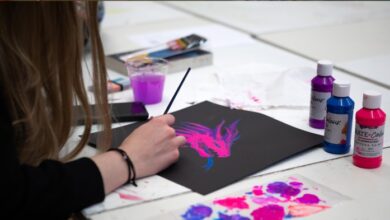

Associate lecturer in fashion Savanna Goodwin brings a wealth of experience and passion to the field. Her role involves not only teaching but also shaping the next generation of fashion professionals. This deep dive explores her qualifications, teaching methods, research interests, and the broader impact she’ll have on the department and students. Expect a look into the exciting world of fashion education and the vital role Savanna will play in its evolution.
Savanna’s background in fashion design, coupled with her academic achievements, makes her uniquely qualified to guide students through the intricacies of the industry. She’ll be sharing her knowledge and expertise in various aspects of fashion, from design principles to historical context, and empowering students to develop their own unique voices within the field.
Introduction to Associate Lecturer in Fashion (Savanna Goodwin)
Savanna Goodwin’s role as an associate lecturer in fashion represents a crucial link between academic expertise and the dynamic fashion industry. This position demands a deep understanding of current trends, historical context, and the practical application of fashion knowledge. It’s a role that blends theoretical learning with real-world relevance, empowering students to navigate the complexities of the fashion sector.The associate lecturer position is vital in fostering a strong understanding of fashion’s evolution, its impact on society, and its significance within the broader creative economy.
This role is not just about imparting knowledge, but also about inspiring critical thinking and developing future leaders in the field.
Role of an Associate Lecturer in Fashion
An associate lecturer in fashion acts as a bridge between academia and industry. They deliver lectures, facilitate workshops, and often participate in practical sessions. This involves conveying theoretical knowledge and applying it to real-world scenarios. The role frequently incorporates industry insights and guest speakers, enriching the learning experience.
Typical Responsibilities and Expectations
The responsibilities of an associate lecturer in fashion are multifaceted. They include designing and delivering engaging course content, preparing teaching materials, and assessing student performance. Active participation in departmental meetings and maintaining up-to-date knowledge of fashion trends are also critical aspects of this role. Furthermore, fostering a collaborative and supportive learning environment is a significant expectation.
Significance of Fashion Education in the Current Market
Fashion education is more crucial than ever in today’s competitive market. The industry is constantly evolving, requiring individuals with adaptability, creativity, and technical skills. Fashion education equips students with a comprehensive understanding of the design process, from concept to production, and the business side of the fashion industry. This understanding is essential for navigating the complexities of the global market.
Students need to be aware of sustainability, ethical sourcing, and emerging technologies in the fashion sector.
Potential Impact of an Associate Lecturer in Fashion
A dedicated and knowledgeable associate lecturer can significantly impact the educational experience of students. Their insights can bridge the gap between theory and practice, providing students with a more relevant and engaging learning environment. They can expose students to emerging trends, industry professionals, and practical applications of fashion concepts. This direct interaction and knowledge sharing foster a more effective learning environment and increase student motivation and retention.
Qualities and Skills of a Successful Associate Lecturer in Fashion
A successful associate lecturer in fashion needs a unique blend of qualities and skills. They must possess strong communication skills, both written and oral, to effectively deliver information and engage students. A passion for fashion and a deep understanding of its historical context and current trends are essential. Strong organizational skills are vital for managing course materials and deadlines.
A deep understanding of pedagogical approaches is equally crucial for fostering a supportive and enriching learning environment. Experience working with students of different backgrounds and levels of expertise is highly valued. In summary, a combination of subject matter expertise, pedagogical awareness, and practical experience will ensure that the associate lecturer is equipped to empower students to thrive in the dynamic world of fashion.
Academic Background and Qualifications: Associate Lecturer In Fashion Savanna Goodwin
Landing an associate lecturer position in fashion requires a strong academic foundation and demonstrable research prowess. It’s not just about possessing the necessary degrees; it’s about showcasing a commitment to the field through publications, presentations, and practical experience. This section will delve into the expected qualifications, highlight key achievements, and illustrate how research and teaching intertwine within the fashion industry.The academic profile of an associate lecturer needs to clearly demonstrate a deep understanding of the field, along with a commitment to staying current with the latest trends and research.
This involves a strong grasp of fashion theory, history, design principles, and related disciplines like sociology, psychology, or economics. Crucially, it also shows the ability to effectively translate complex research into engaging and insightful teaching materials.
Expected Educational Qualifications, Associate lecturer in fashion savanna goodwin
Associate lecturer positions in fashion typically demand a strong postgraduate qualification, such as a Master’s degree, in a relevant field like Fashion Design, Fashion Studies, Textiles, or a related area. A doctoral degree (PhD) is often preferred, especially for roles demanding significant research contributions and leadership in the field. Beyond the degree, demonstrable experience in the industry can further strengthen a candidate’s profile.
Savanna Goodwin, the associate lecturer in fashion, is inspiring! Her passion for fashion design is contagious, but it’s also inspiring to see how she approaches the wider world. Thinking about the amazing leaps in health tech, like those detailed in this insightful article on giving thanks for leading health technology advances , reminds us of the interconnectedness of different fields.
Ultimately, Goodwin’s dedication to fashion design reflects a broader commitment to innovation, just like the innovative health tech discussed in the article.
Common Academic Achievements
A robust academic record is essential. This includes excellent academic performance throughout the degree program, evident in high grades and academic awards. Research experience, including participation in research projects, workshops, or conferences, is highly valued. Publications in peer-reviewed journals, conference proceedings, or other academic publications showcase a candidate’s contribution to the field.
Research Experience Relevant to Fashion
Demonstrating a connection between research and teaching is crucial. Research experience could involve original research in areas like sustainable fashion practices, the social impact of fast fashion, the evolution of specific fashion trends, or the economic implications of fashion design. These areas, when investigated through rigorous research methods, contribute directly to the development of informed and engaging teaching content.
Publications, Presentations, and Projects
A diverse portfolio of publications, presentations, and projects enhances a candidate’s profile significantly. Publications in reputable academic journals, book chapters, or industry-specific publications demonstrate a candidate’s expertise. Presentations at conferences or workshops show their ability to communicate complex ideas effectively. Participation in industry projects or collaborations can demonstrate practical application of knowledge and insights.
Connecting Research and Teaching in Fashion
The ability to bridge research and teaching is paramount. An associate lecturer should be able to take their research findings and translate them into compelling course materials, lectures, or workshops. This involves adapting research methodologies to suit different learning styles and demonstrating the applicability of academic concepts to real-world fashion scenarios. For example, research on sustainable materials could inform lectures on eco-conscious design practices.
Qualifications Comparison Table
| Qualification Level | Master’s Degree | Doctoral Degree |
|---|---|---|
| Required Education | Master’s degree in a relevant field | Doctoral degree in a relevant field |
| Research Experience | Participation in research projects, internships, or relevant experience | Extensive research experience, publications, and potential leadership roles in research |
| Teaching Experience | Teaching assistant roles, workshops, or volunteer teaching experiences | Mentoring, leading seminars, and teaching in university or industry settings |
| Publications | Publications in journals or conference proceedings, potentially book chapters | Peer-reviewed publications, conference presentations, and book chapters |
Teaching Experience and Methodology
Associate lecturers in fashion, like myself, bring a blend of practical experience and academic knowledge to the classroom. We often draw upon our professional backgrounds in design, styling, or related fields to provide engaging and relevant learning experiences for students. This approach fosters a deeper understanding of the subject matter, making it more relatable and motivating for students.Fashion education is dynamic, requiring constant adaptation to evolving trends and industry demands.
A successful approach to teaching fashion involves a multifaceted approach that integrates theoretical knowledge with practical application, fostering critical thinking and creativity. This approach, combined with a personalized touch, can transform the learning process from passive absorption to active participation.
Teaching Styles and Methodologies
Associate lecturers in fashion employ a variety of teaching styles, ranging from traditional lectures to interactive workshops and group projects. These methods are often chosen based on the specific learning objectives of the course and the nature of the subject matter. For example, a lecture format is well-suited for presenting historical context or theoretical frameworks, while practical sessions allow students to apply their knowledge through hands-on projects.
Examples of Teaching Strategies for Fashion-Related Subjects
Numerous strategies enhance the learning experience in fashion courses. One strategy involves incorporating guest speakers from the industry to provide insights into real-world applications and current trends. Another effective method is showcasing successful design portfolios and discussing the creative process behind them. Students can learn from successful examples and potentially gain inspiration for their own work.
Innovative Approaches to Teaching Fashion Design Principles and History
Innovative approaches emphasize active learning and student engagement. One innovative approach is to use digital tools to create interactive timelines showcasing the evolution of fashion through history. Virtual reality (VR) experiences can provide students with a more immersive understanding of design processes, allowing them to visualize garments in different settings. This method promotes creativity and deepens the understanding of historical context.
Adapting Teaching Methods to Diverse Student Needs
Recognizing the diverse learning styles and needs of students is crucial. Differentiated instruction can cater to varying learning styles, providing tailored support for individual needs. For example, visual learners might benefit from more visual aids, while kinesthetic learners could engage more deeply in hands-on projects. Flexibility in teaching methodologies ensures inclusivity and facilitates a supportive learning environment for all students.
Teaching Methodologies Table
| Teaching Methodology | Description | Pros | Cons |
|---|---|---|---|
| Lectures | Presenting information through formal lectures. | Efficient delivery of large amounts of information; structured learning | Can be passive for students; limited interaction; may not cater to diverse learning styles. |
| Workshops | Hands-on activities focusing on practical application. | Promotes active learning; allows for experimentation and exploration; practical skill development | Requires more preparation and time for instructors; may not be suitable for all learning objectives. |
| Group Projects | Collaborative assignments that encourage teamwork and problem-solving. | Develops teamwork and communication skills; diverse perspectives; promotes active learning. | Requires strong time management skills; potential for uneven contribution among group members. |
| Guest Speakers | Inviting industry professionals to share insights and experiences. | Real-world perspectives; industry connections; inspirational | May not be suitable for all courses; depends on availability and speaker’s experience. |
Research Interests and Expertise
Fashion, a dynamic and ever-evolving industry, thrives on innovation and adaptation. Understanding the forces driving these changes, from technological advancements to societal shifts, is crucial for staying ahead of the curve. This understanding forms the bedrock of impactful research in fashion, enriching both academic discourse and industry practice. This section delves into current trends, the importance of research in education, and potential areas of exploration for an associate lecturer in fashion.
Current Research Trends in Fashion
The fashion industry is currently experiencing a multifaceted evolution. Sustainability is a paramount concern, with consumers increasingly demanding eco-friendly practices and ethical sourcing. Circular fashion models, exploring reuse, recycling, and repair, are gaining traction. Digital technologies, such as 3D printing and virtual design, are transforming design processes and consumer experiences. Furthermore, the rise of inclusivity and representation in fashion is fostering a more diverse and representative industry landscape.
Significance of Research in Fashion Education
Research in fashion education is not merely an academic exercise; it is a vital component for equipping students with the critical thinking and problem-solving skills needed to navigate the complexities of the industry. Research-driven pedagogy allows students to engage with contemporary issues, fostering innovation and creativity while also promoting ethical and sustainable practices. This translates into producing graduates who are equipped to address the challenges and opportunities within the fashion sector.
Potential Research Interests for an Associate Lecturer in Fashion
Several research avenues align well with the role of an associate lecturer in fashion. An area of interest could be the impact of social media on consumer behavior and brand perception within the fashion industry. Another area of investigation could explore the relationship between sustainability initiatives and brand loyalty. Examining the role of technology in shaping future fashion design trends is another promising research path.
Further, researching the evolution of fashion aesthetics across different cultural contexts could provide valuable insights. These are just a few examples, and the possibilities are vast.
Interdisciplinary Research in Fashion
Interdisciplinary research offers significant value in the field of fashion. Exploring connections between fashion and other disciplines, such as sociology, psychology, history, and technology, can provide a richer and more nuanced understanding of the industry’s multifaceted nature. For example, researching the intersection of fashion and social movements allows for a deeper exploration of cultural shifts and their impact on design choices.
Savanna Goodwin, associate lecturer in fashion, is always pushing creative boundaries. It got me thinking about how different the tech landscape might be if Steve Jobs had introduced the Zune instead of the iPod. Ultimately, though, Goodwin’s focus on innovative design and her insights into fashion trends remain inspiring.
Such approaches can illuminate how societal factors influence trends and consumer behavior.
Possible Research Topics for an Associate Lecturer in Fashion
- The influence of social media influencers on consumer purchasing decisions in the fashion industry.
- A comparative analysis of sustainable fashion practices across different regions and cultures.
- The role of technology in shaping future fashion design trends and manufacturing processes.
- The ethical implications of fast fashion and its impact on the environment and labor practices.
- A historical examination of fashion’s representation of social and political movements.
Professional Experience and Portfolio
A strong portfolio is crucial for an Associate Lecturer in Fashion, showcasing not just technical skills but also the ability to translate industry experience into engaging and effective teaching methodologies. This section delves into the types of professional experience highly valued in the field, emphasizing the importance of a portfolio in demonstrating a candidate’s expertise and highlighting the practical application of theoretical knowledge.
Typical Professional Experience
A successful Associate Lecturer in Fashion typically possesses several years of experience within the industry. This might include roles in design, merchandising, production, or marketing. Experience in a variety of areas demonstrates adaptability and broad industry knowledge, which are essential for teaching diverse topics and relating concepts to real-world applications.
Importance of a Portfolio
A well-crafted portfolio acts as a compelling demonstration of a candidate’s skills and achievements. It’s more than just a collection of work; it’s a curated narrative that showcases a candidate’s aesthetic sensibility, technical proficiency, and understanding of the fashion industry’s complexities. A portfolio effectively conveys a candidate’s design philosophy, approach to problem-solving, and ability to deliver high-quality work.
Relevant Project Types
Demonstrating practical experience is vital for an Associate Lecturer. Projects that showcase design skills, technical knowledge, and understanding of the fashion lifecycle are highly relevant. This includes, but is not limited to, design briefs, fashion collections, trend analysis reports, marketing campaigns, and production processes. These projects should reflect the candidate’s understanding of different aspects of the fashion industry, such as sustainability, ethical production, and market trends.
- Design Projects: A portfolio should include examples of completed design projects, showcasing the candidate’s creative process, technical proficiency, and understanding of fashion principles.
- Trend Analysis: Incorporating trend analysis projects demonstrates a candidate’s awareness of current fashion trends and their ability to connect theoretical concepts to practical application.
- Collaboration Projects: Projects that demonstrate teamwork and collaboration skills, particularly in fashion design teams or production settings, are valuable.
Fashion Industry Experiences Enhancing Teaching
Experiences in the fashion industry provide a rich source of real-world examples and insights that can be directly applied to the classroom. For example, working on a fast-fashion collection will give insights into the production cycle, while working on a luxury line would offer understanding of the nuances of high-end design and craftsmanship.
Example Experiences
- Design Internship: This provides firsthand experience in the creative process, from initial design sketches to final product development. It demonstrates an understanding of design principles, technical skills, and problem-solving.
- Merchandising Role: This experience provides knowledge of market trends, consumer behavior, and the business side of fashion, offering insights for practical applications in the classroom.
- Production Management: Experience in managing the production process of garments gives valuable insights into the practical implications of design decisions and the importance of technical feasibility.
Skills, Experiences, and Projects Table
| Skill | Experience | Project Examples |
|---|---|---|
| Design Proficiency | Internship at a design house | Completed fashion collections, design briefs, sketches |
| Trend Analysis | Researching fashion trends | Trend reports, presentations on current styles |
| Technical Knowledge | Working with fabric and pattern making | Detailed technical drawings, pattern grading, and garment construction |
| Marketing & Communication | Social media management for a fashion brand | Brand marketing campaigns, social media posts |
| Collaboration & Teamwork | Working in a design team | Group projects, collaborative fashion shows |
Industry Connections and Networking

Industry connections are vital for associate lecturers in fashion. They provide access to real-world insights, potential guest speakers, and opportunities to shape curriculum based on current industry needs. This vital link between academia and the professional world enriches the learning experience for students and elevates the educator’s standing within the field.Building and maintaining these connections is an ongoing process, demanding proactive engagement and a commitment to staying abreast of industry trends.
Associate lecturer in fashion Savanna Goodwin’s insights highlight the importance of consumers understanding the industry better. She emphasizes that consumers need to start thinking like industry pros, like Savanna herself, to make informed decisions and truly appreciate the intricate processes involved in fashion creation, as detailed in this insightful article consumers need to start thinking like it pros.
This, in turn, fosters a deeper connection with the designers and the entire fashion ecosystem, making the experience more rewarding for everyone.
This proactive approach enables educators to better advise students and to offer relevant, real-world perspectives.
Significance of Industry Connections
Industry connections significantly enhance the teaching experience. These relationships provide access to current trends, emerging technologies, and the practical application of knowledge, which enriches the curriculum and makes it more relevant to students’ future careers. Guest speakers from the industry provide invaluable insights and can introduce students to potential career paths.
Strategies for Building and Maintaining Industry Relationships
Cultivating strong industry relationships involves consistent effort and genuine engagement. Attend industry events, conferences, and trade shows to network with professionals and stay informed about the latest developments. Building a strong online presence, including a professional website or LinkedIn profile, is essential for showcasing expertise and reaching potential connections. Networking with colleagues, peers, and industry leaders is key for maintaining relationships.
Staying Current with Fashion Trends and Industry News
Staying updated on fashion trends and industry news is crucial for fashion educators. Regularly reviewing industry publications, attending fashion shows, and engaging in online discussions about the latest trends allows for a deeper understanding of the ever-evolving landscape. This ensures that the curriculum remains current and relevant, preparing students for the demands of the dynamic fashion industry.
Networking Opportunities for Fashion Educators
Numerous networking opportunities are available for fashion educators. Fashion weeks, trade shows, and conferences offer avenues to connect with industry professionals. Joining professional organizations like the CFDA (Council of Fashion Designers of America) or other relevant associations can provide access to valuable resources and networking events. Online platforms such as LinkedIn provide opportunities to connect with peers and professionals in the field.
Examples of Networking Platforms and Their Applications
| Networking Platform | Applications in Fashion Industry |
|---|---|
| Connecting with industry professionals, sharing articles, attending virtual events, and showcasing portfolio. | |
| Staying updated on current trends, showcasing student work, and engaging with fashion influencers. | |
| Following industry news, engaging in discussions about fashion trends, and sharing insights. | |
| Fashion Weeks (physical and virtual) | Networking with designers, attending presentations, and experiencing the latest collections firsthand. |
| Trade Shows | Exploring new materials, designs, and technologies, connecting with manufacturers, and understanding current market demands. |
Potential Contributions and Impact

A fashion associate lecturer brings a wealth of experience and knowledge to the department, enriching the learning environment for students. Their impact extends beyond the classroom, fostering creativity, shaping future professionals, and contributing to curriculum development. This role empowers students to not only understand fashion but also to innovate and contribute meaningfully to the industry.The potential contributions of an associate lecturer in fashion extend to the overall enhancement of the student experience and the department’s standing.
By bringing current industry trends and practical insights into the classroom, the lecturer empowers students with valuable knowledge and skills that translate directly to success in the competitive fashion landscape.
Potential Contributions to the Department
The associate lecturer’s expertise in fashion design, business, or related fields significantly enhances the curriculum. Their knowledge base provides opportunities for innovative teaching methodologies, keeping the curriculum fresh and relevant to the ever-evolving industry. A strong understanding of current trends, materials, and technologies ensures students receive a contemporary education. This expertise directly translates into more engaging lectures, workshops, and projects, which in turn increases student interest and participation.
Impact on Shaping Future Fashion Professionals
Fashion education plays a crucial role in nurturing creativity and innovation. An associate lecturer, through practical exercises, projects, and critiques, fosters a deeper understanding of design principles, market analysis, and business strategies. Exposure to diverse perspectives and critical thinking encourages students to develop their unique creative voice and innovative approaches to problem-solving. This empowers them to become confident and well-rounded fashion professionals.
Role of Fashion Education in Fostering Creativity and Innovation
Fashion education is not just about learning technical skills; it’s about nurturing a mindset of creativity and innovation. The curriculum should encourage experimentation, risk-taking, and the exploration of new ideas. The associate lecturer’s role in this process is vital. They can guide students in identifying emerging trends, analyzing market demands, and translating creative concepts into viable commercial products or services.
Impact on Curriculum Development and Student Engagement
A dedicated associate lecturer actively participates in curriculum development, ensuring the program remains current and relevant. They can identify gaps in the curriculum and propose innovative approaches to enhance student learning. Furthermore, their passion for fashion can inspire students and cultivate a dynamic learning environment. Their teaching methodology, coupled with real-world examples and industry connections, boosts student engagement and motivation.
This approach equips students with the knowledge and confidence needed to excel in the fashion industry.
Potential Impact on Student Outcomes
| Feature | Potential Impact ||—|—|| Knowledge and Skills | Enhanced understanding of fashion principles, design techniques, and industry practices. || Creativity and Innovation | Development of unique creative voice, ability to generate innovative ideas, and solutions. || Critical Thinking | Ability to analyze market trends, identify consumer needs, and develop effective strategies. || Professionalism | Enhanced presentation skills, communication abilities, and professional etiquette.
|| Industry Connections | Access to networking opportunities and potential mentorship within the fashion industry. || Employability | Increased employability and career prospects in the fashion industry. |
Outcome Summary
In conclusion, Savanna Goodwin’s appointment as associate lecturer in fashion promises a dynamic and engaging learning experience for students. Her blend of academic rigor, industry knowledge, and passion for teaching will undoubtedly shape a generation of innovative and well-rounded fashion professionals. Expect to see a fresh perspective on fashion education emerge, one that seamlessly blends theory and practice, preparing students for the challenges and opportunities of the modern fashion world.