HR Tech World Congress 2016 Highlights the Future of Digital Recruitment and Strategic Partnerships


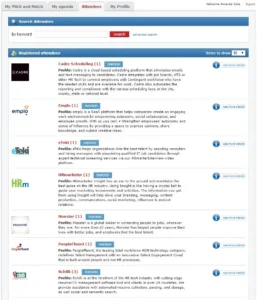
The HR Tech World Congress, held in Paris in October 2016, served as a pivotal convergence point for the global human resources technology sector. As digital transformation began to fundamentally reshape how organizations attract, assess, and manage talent, the event emerged as the premier venue for industry leaders to demonstrate advancements in recruitment software, artificial intelligence integration, and the evolving ecosystem of HR partnerships. The gathering brought together 24 prominent suppliers, each showcasing innovations designed to bridge the gap between human expertise and automated analytical precision.
Context and Evolution of the HR Tech Landscape in 2016
In 2016, the HR technology market was experiencing a period of unprecedented expansion. Investment in HR-focused startups reached record levels as traditional Applicant Tracking Systems (ATS) were being augmented or replaced by sophisticated talent acquisition platforms. The shift toward cloud-based solutions and mobile-first recruitment tools defined the agenda at the Paris summit. For many organizations, the challenge was no longer simply finding software to manage resumes, but integrating diverse platforms—such as video interviewing tools, psychometric assessment engines, and core HR systems—into a cohesive, data-driven workflow.
The event acted as a barometer for this technological shift. Attendees witnessed a departure from standalone, siloed tools toward an integrated "HR tech stack" philosophy. Industry analysts at the time noted that the focus of the congress was not merely on the introduction of new features, but on the capacity for these systems to "talk" to one another, creating a frictionless experience for both recruiters and candidates.
Chronology of the Paris Summit
The event took place against the backdrop of an increasingly globalized labor market. Throughout the multi-day congress, the exhibition floor was transformed into a collaborative hub where, despite the competitive nature of the industry, a spirit of partnership prevailed.
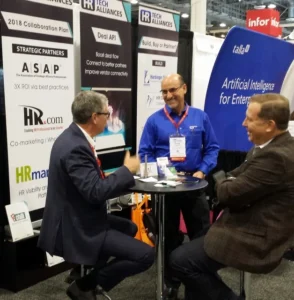
On the opening day, the focus was primarily on strategic networking and the formalization of integration roadmaps. The presence of entities such as SmartRecruiters and AssessFirst at the event underscored the growing trend of cross-platform collaboration. By providing booths that allowed for the demonstration of combined value propositions, these organizations highlighted the necessity of interoperability.
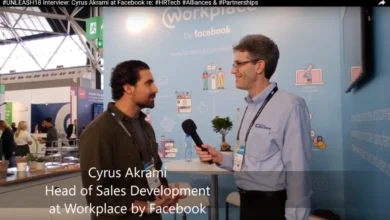
Mid-way through the summit, the discourse shifted toward the practical application of these technologies. High-profile interviews conducted by HR Tech Advisor captured the industry’s mood: a consensus that the "silo era" of HR software was nearing its conclusion. The final day focused on the broader implications of these technologies, including data security, candidate experience, and the ethical use of artificial intelligence in talent assessment.
Analyzing the Power of Partnerships
A recurring theme throughout the 2016 Congress was the concept of the "Referral and Integrated Partner" ecosystem. The collaboration between HireVue and IBM Kenexa BrassRing serves as a primary case study for the industry’s trajectory during this period. By co-marketing their solutions, these companies were able to demonstrate the tangible benefits of a unified workflow to prospective clients.
For many recruiters, the manual movement of data between a video interviewing platform and a core ATS represented a significant inefficiency. By integrating HireVue’s video capabilities directly into the IBM Kenexa environment, the partnership provided a streamlined user experience. This level of collaboration was not just a technical milestone; it was a response to market demand for higher productivity and reduced administrative friction.

The strategic rationale behind such partnerships is grounded in the necessity for scale. As HR departments manage increasingly large volumes of applications, the ability to leverage a single, integrated interface prevents data loss and ensures a more consistent evaluation process. This was a critical takeaway from the event: technology providers that failed to prioritize integration were increasingly viewed as legacy players, while those that championed open APIs and collaborative marketing were positioned as leaders of the next generation of HR software.
Supporting Data and Industry Trends
Data from the 2016 HR Tech market indicated that companies were beginning to shift roughly 15% to 20% of their annual IT budget toward specialized talent acquisition software. The congress provided a platform for these investments to be justified. Suppliers focused heavily on "Time to Hire" and "Quality of Hire" metrics—the two most significant KPIs for talent acquisition teams globally.
Research presented during the sessions suggested that organizations utilizing integrated recruitment stacks could reduce their time-to-hire by as much as 30% compared to those relying on fragmented, non-integrated tools. This data fueled the conversations between vendors and HR practitioners, validating the cost of implementing sophisticated SaaS platforms. Furthermore, the rise of mobile accessibility meant that recruiters could manage hiring workflows from anywhere, an innovation that was heavily marketed on the expo floor.
Official Perspectives and Market Implications
Lauren, representing HireVue during the event, emphasized the critical nature of the face-to-face interactions facilitated by the Congress. "It’s an incredible show that offers true value in accomplishing business meetings and meeting face to face with clients and prospective clients," she noted. This sentiment was echoed across the vendor community. While digital communication is the hallmark of the industry, the physical gathering allowed for the high-level relationship building required to secure enterprise-level partnerships.
The implications for the broader market were clear: the future of HR technology is inherently collaborative. Organizations that were previously viewed as competitors began to find common ground in their shared mission to optimize the candidate journey. This shift toward "co-opetition"—a hybrid of competition and cooperation—is what defined the 2016 landscape.
Broader Impact on Global HR Operations
The 2016 HR Tech World Congress in Paris left a lasting impact on how global enterprises approach the digital transformation of their human resources departments. The emphasis placed on integration, the move toward mobile-enabled talent acquisition, and the importance of strategic vendor partnerships established a blueprint for the next decade of HR technology development.
As the industry moved forward from the event, the focus turned toward the scalability of these integrations. The challenge shifted from "Can these systems work together?" to "How can we leverage this data to make better hiring decisions?" The groundwork laid by the suppliers in attendance—through their panels, demos, and partnership announcements—provided the necessary infrastructure for the more advanced machine learning and predictive analytics models that would dominate the industry in the years that followed.
Ultimately, the event demonstrated that HR technology is no longer a peripheral concern for businesses; it is a core strategic function. By enabling more efficient, data-driven, and candidate-centric recruitment processes, the innovations showcased at the 2016 Paris congress fundamentally altered the power dynamic between employers and prospective talent, setting a high bar for excellence in the digital age of work.