The Evolution of AI Search Visibility: Navigating the Shift Beyond Ahrefs Brand Radar


The landscape of digital discovery is undergoing a profound transformation as B2B software buyers increasingly bypass traditional search engines in favor of conversational AI. Recent research from G2’s 2026 Answer Economy report indicates that 51% of B2B software buyers now initiate their product research through AI chatbots, a behavioral shift that has fundamentally altered the mandate for marketing teams. Consequently, the industry is moving away from a singular focus on traditional SEO metrics toward a more complex requirement: tracking how AI answer engines perceive, cite, and recommend specific brands. While Ahrefs Brand Radar established an early foothold in this niche, marketing leaders are increasingly exploring alternative solutions that offer more granular data, deeper integration with revenue systems, and specialized prompt-level tracking.
The emergence of Answer Engine Optimization (AEO) as a formal discipline follows a period of rapid development in Large Language Models (LLMs). Throughout 2025 and early 2026, the industry transitioned from treating AI search as an experimental channel to a critical business priority. As AI models like ChatGPT, Perplexity, and Gemini become the primary interface for information retrieval, companies are finding that their legacy SEO strategies—often focused on blue-link clicks—are insufficient. This has triggered a competitive race among SaaS platforms to provide "visibility scoring" that can account for the non-linear, conversational nature of AI-generated responses.
Drivers of Market Fragmentation
Marketing teams are re-evaluating their toolsets based on four primary pain points: the need for granular data, the requirement for prompt-specific intelligence, budget optimization, and the necessity of linking visibility to actual business outcomes.

For many organizations, the broad visibility scores offered by initial market entrants proved too opaque. Alexandra Novikava, a marketer at Truck1, noted that while early monitoring tools provided a high-level view of brand references, the demand for custom API tracking and greater flexibility in data collection necessitated a move toward more specialized intelligence tools. This sentiment is echoed across the B2B sector, where practitioners argue that "generic mention counts" are vanity metrics compared to high-intent, context-specific citations.
Colleen Barry, head of marketing at Ketch, emphasizes that in specialized B2B markets, a single mention in a high-intent, privacy-compliant query carries more weight than ten generic citations. The ability to control industry-specific prompt libraries—ensuring that conversational engines correctly handle nuanced regulatory or technical inquiries—has become a key differentiator for AEO platforms.
Financial and Operational Considerations
Cost structures have also played a significant role in the current migration of marketing teams. As the market for AI visibility tools matures, vendors have moved from expensive, all-encompassing SEO suites to modular, usage-based pricing. Ashot Nanayan, founder of B2BSEO, pointed to the total cost of ownership as a decisive factor. When weighing the subscription fees of large SEO platforms against the cost of dedicated AI visibility tools, many mid-market firms have opted for leaner, more focused alternatives that provide broader model coverage without the overhead of enterprise-level keyword trackers.
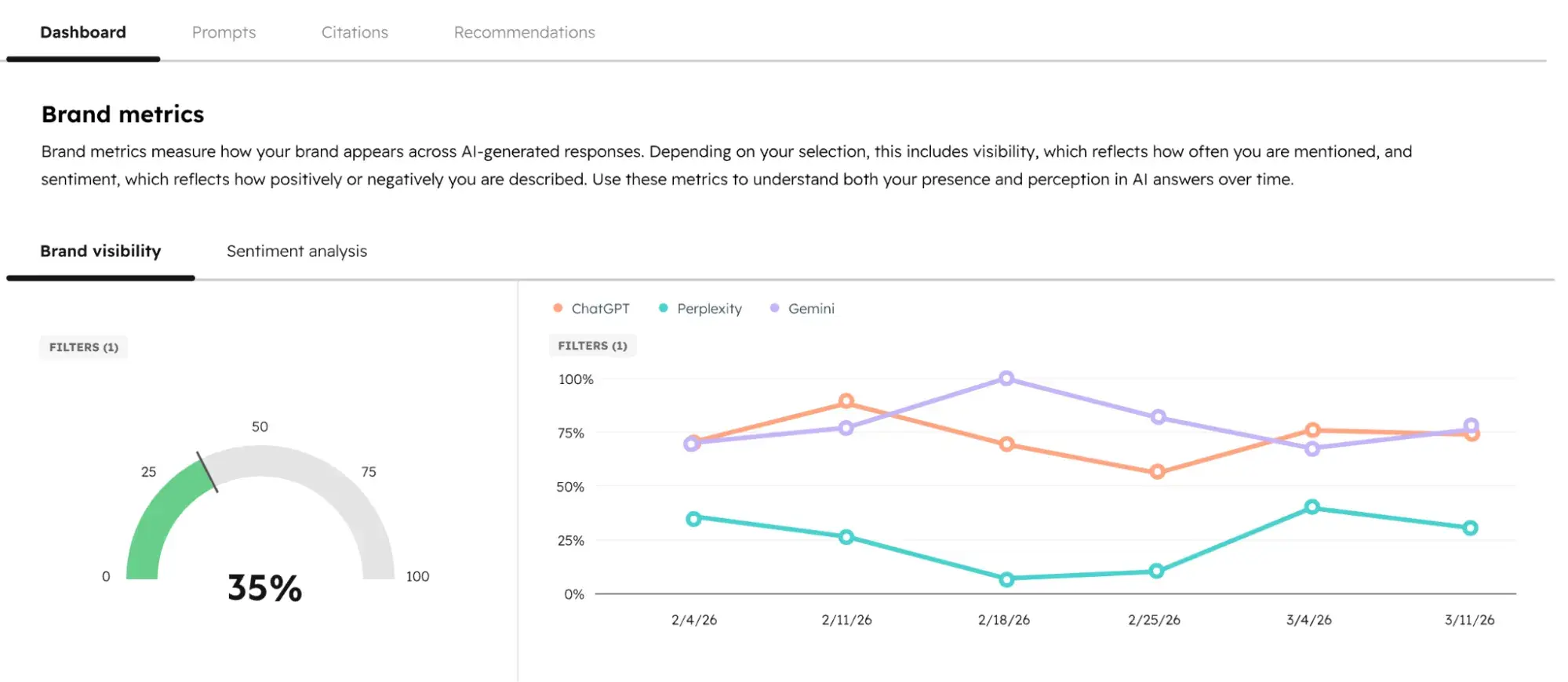
This trend is further supported by the data regarding business impact. Matthew Kinneman, founder of Bully Max, highlights that AI visibility is only a viable key performance indicator if it can be directly correlated with customer actions. His team transitioned toward a broader measurement model, integrating AI discovery data with CRM, attribution, and pipeline reporting. This highlights a critical, often overlooked aspect of the current market: AI visibility is not an end in itself but a component of the wider customer journey.
Comparative Analysis of Market Alternatives
As organizations seek to build robust AEO programs, the current market offers several distinct pathways, ranging from free diagnostic tools to comprehensive enterprise platforms.
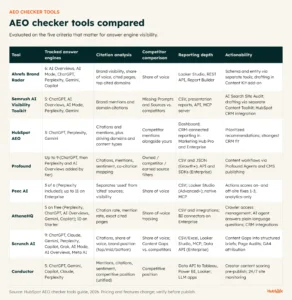
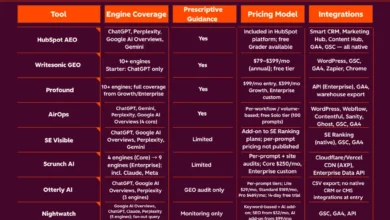
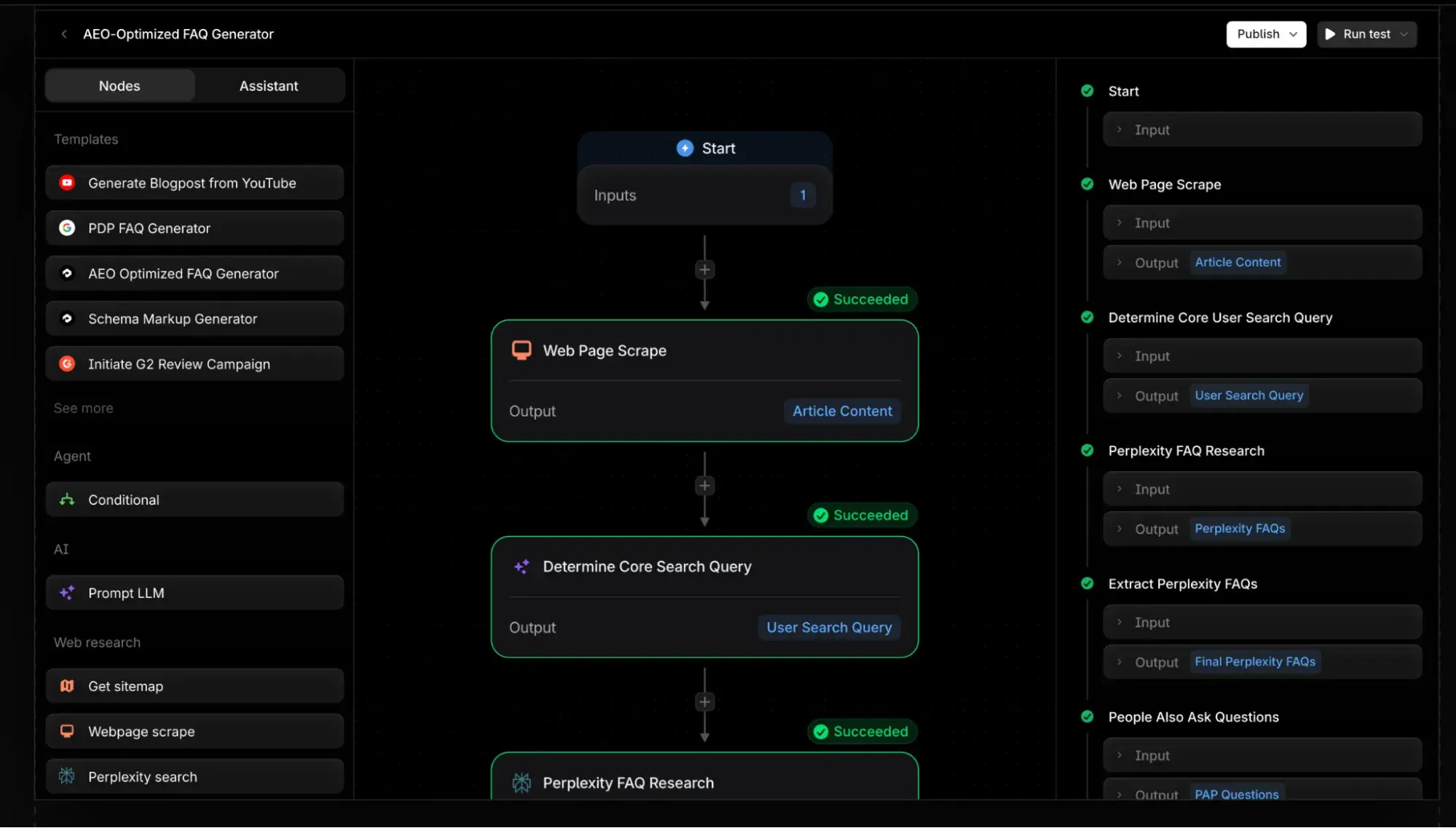
HubSpot AEO has positioned itself as an action-oriented solution, connecting visibility trends with CRM data to help teams translate gaps into specific content recommendations. By integrating directly into the Marketing Hub, it allows for a seamless workflow where AI-search gaps inform content strategy. Its pricing model, starting at $50 per month, reflects the market’s shift toward accessible, modular solutions.
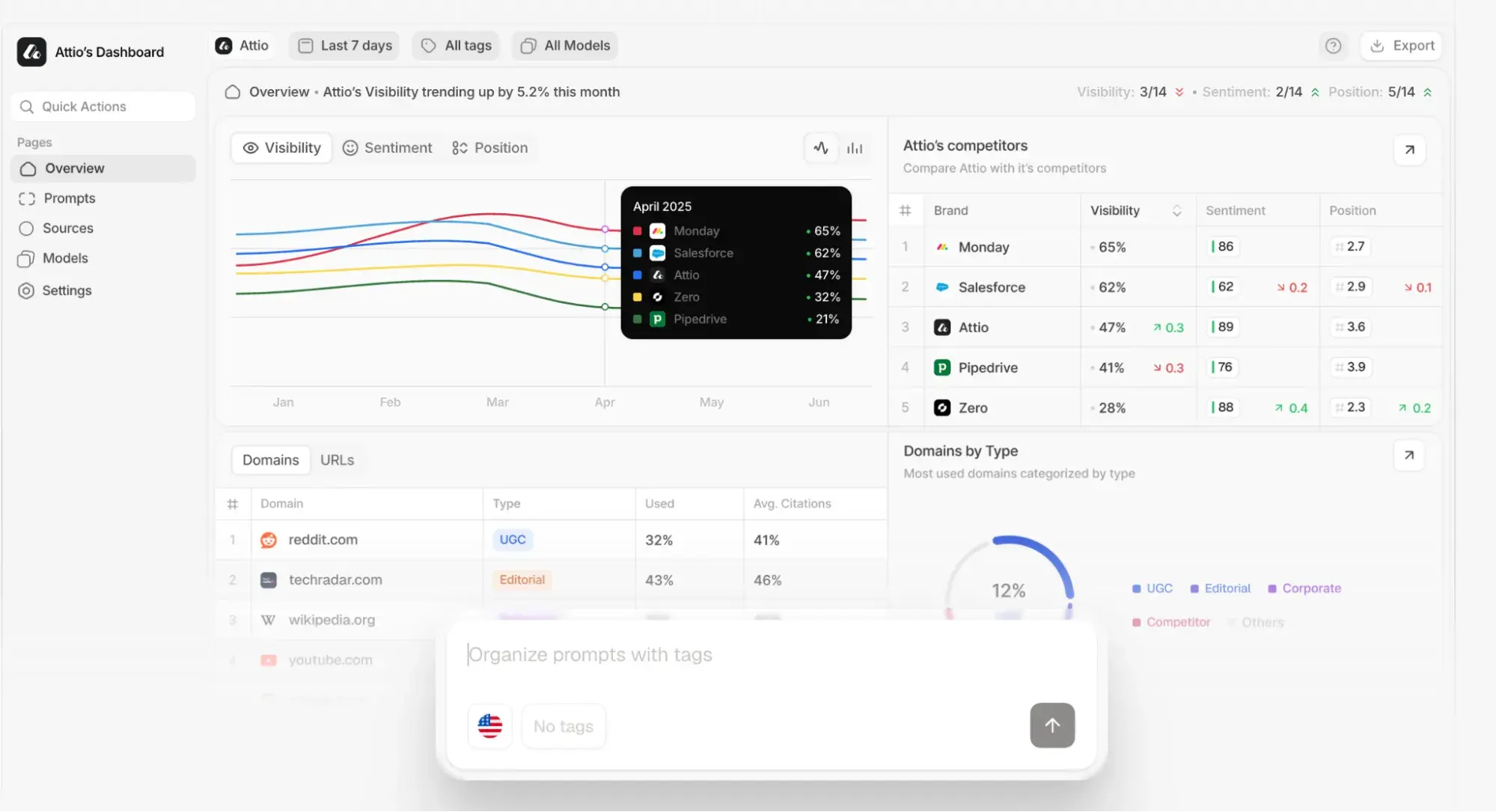
Profound serves as a robust alternative for larger enterprises. By providing deep-dive analytical products—such as Agent Analytics and automated prompt research—it caters to organizations that require a permanent, high-frequency AEO program. Its scalability, which supports up to nine answer engines in enterprise tiers, positions it as a leader for complex global marketing operations.
Peec AI offers a different value proposition by focusing on collaborative access. Its model of scaling primarily through prompt volumes rather than user seats makes it an ideal fit for cross-functional teams where SEO, content, and PR professionals all require access to the same visibility data without triggering per-seat licensing fees.
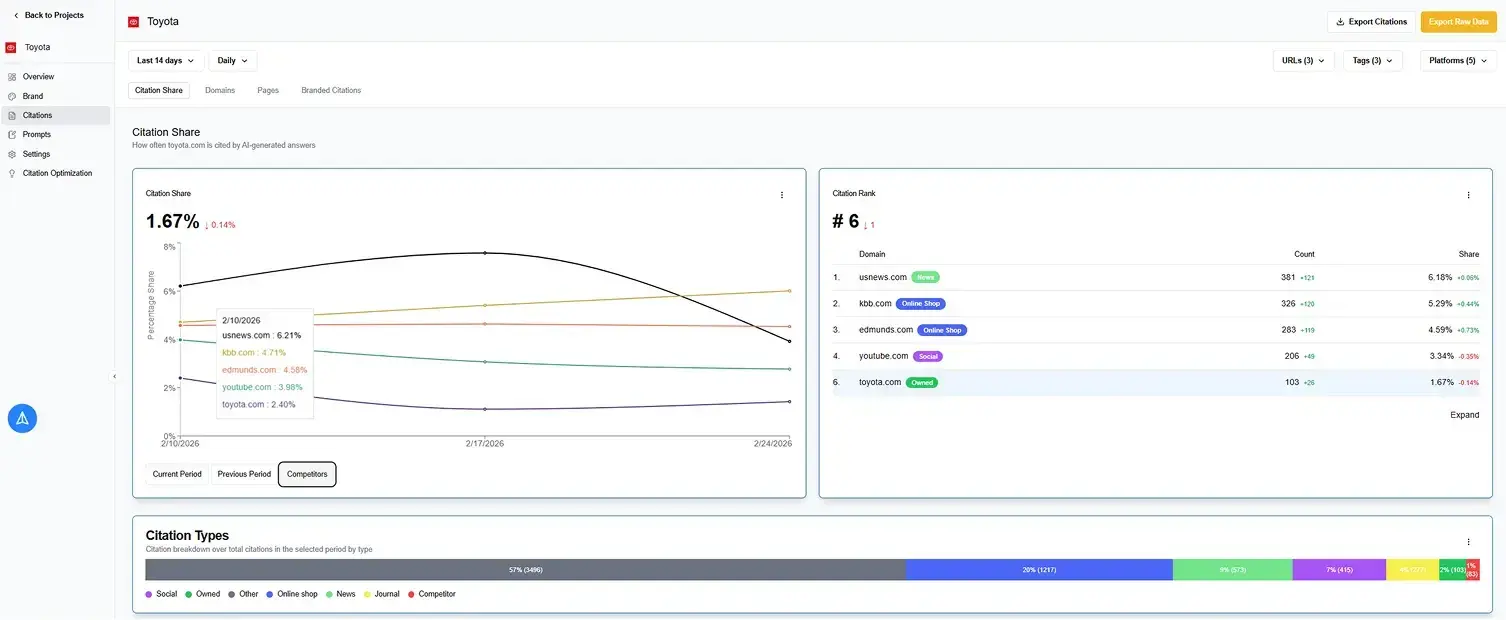
Xofu takes a bottom-of-the-funnel approach, specifically targeting purchase-intent prompts. By focusing on the questions that occur just before a transaction—where competitors are compared and vendor lists are generated—it provides high-value intelligence that directly ties into sales conversion metrics.
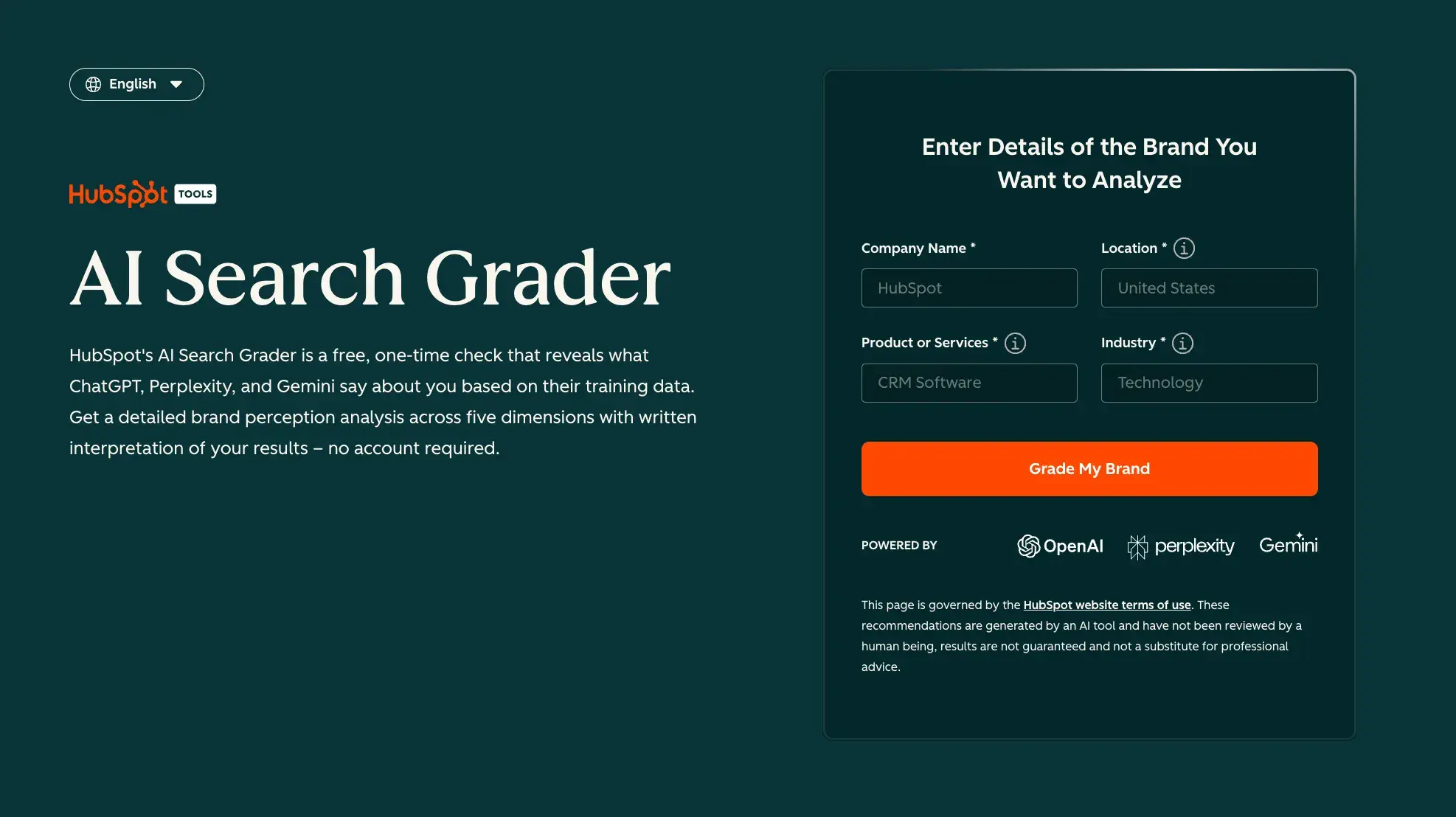
Finally, diagnostic tools like Mangools AI Search Grader and the free HubSpot AI Search Grader serve as the entry point for many teams. These tools provide a one-time baseline score, allowing marketing leaders to gauge their current standing across multiple AI models before committing to the ongoing costs of a continuous monitoring platform.
The Strategic Necessity of Evidence-Based Reporting
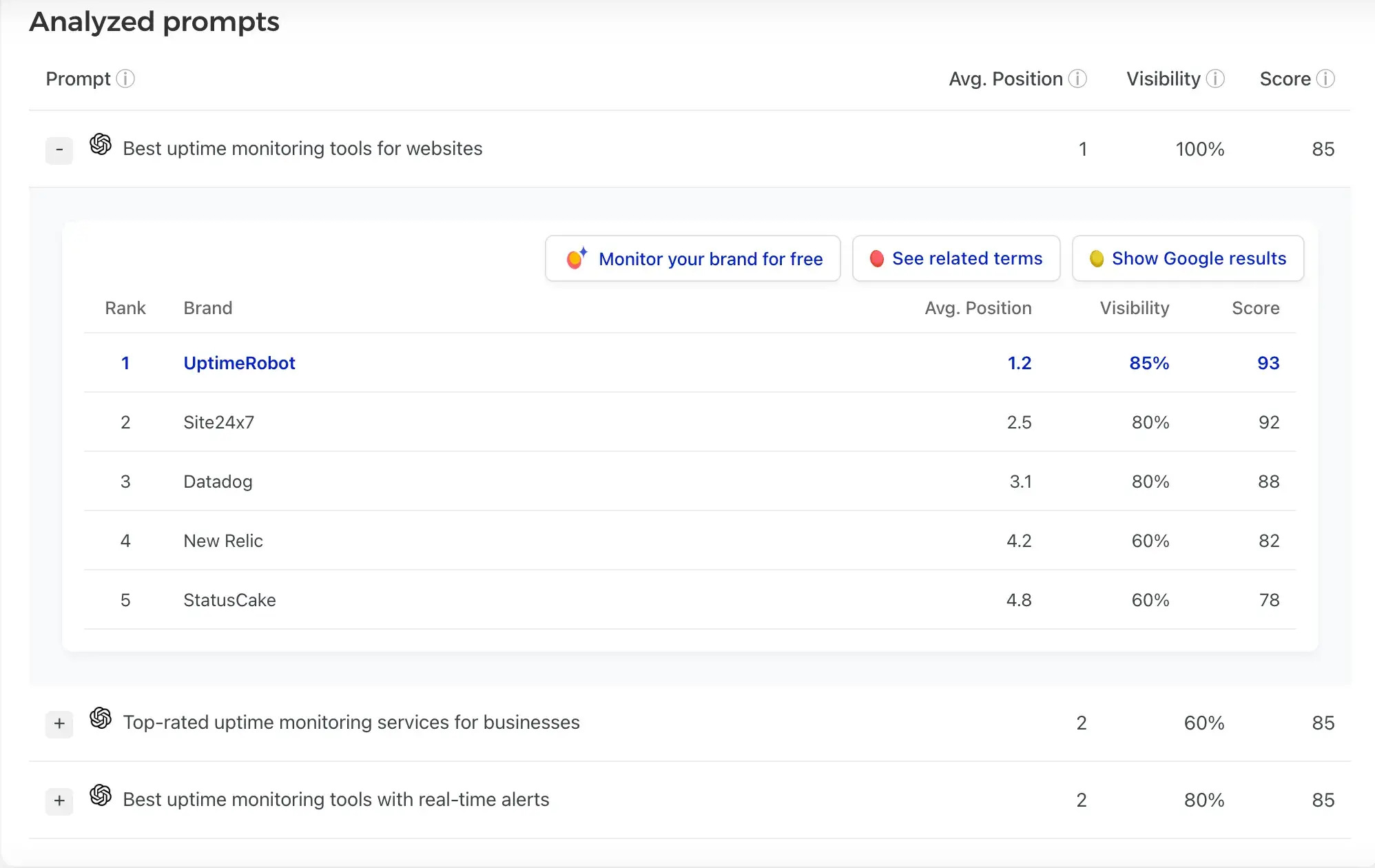
A defining feature of the next generation of AI visibility tools is the shift from "score-based" reporting to "evidence-based" reporting. Simply knowing that a brand appeared in an AI response is no longer enough; teams now demand access to the underlying LLM output, the cited sources, and the timestamps of the query.
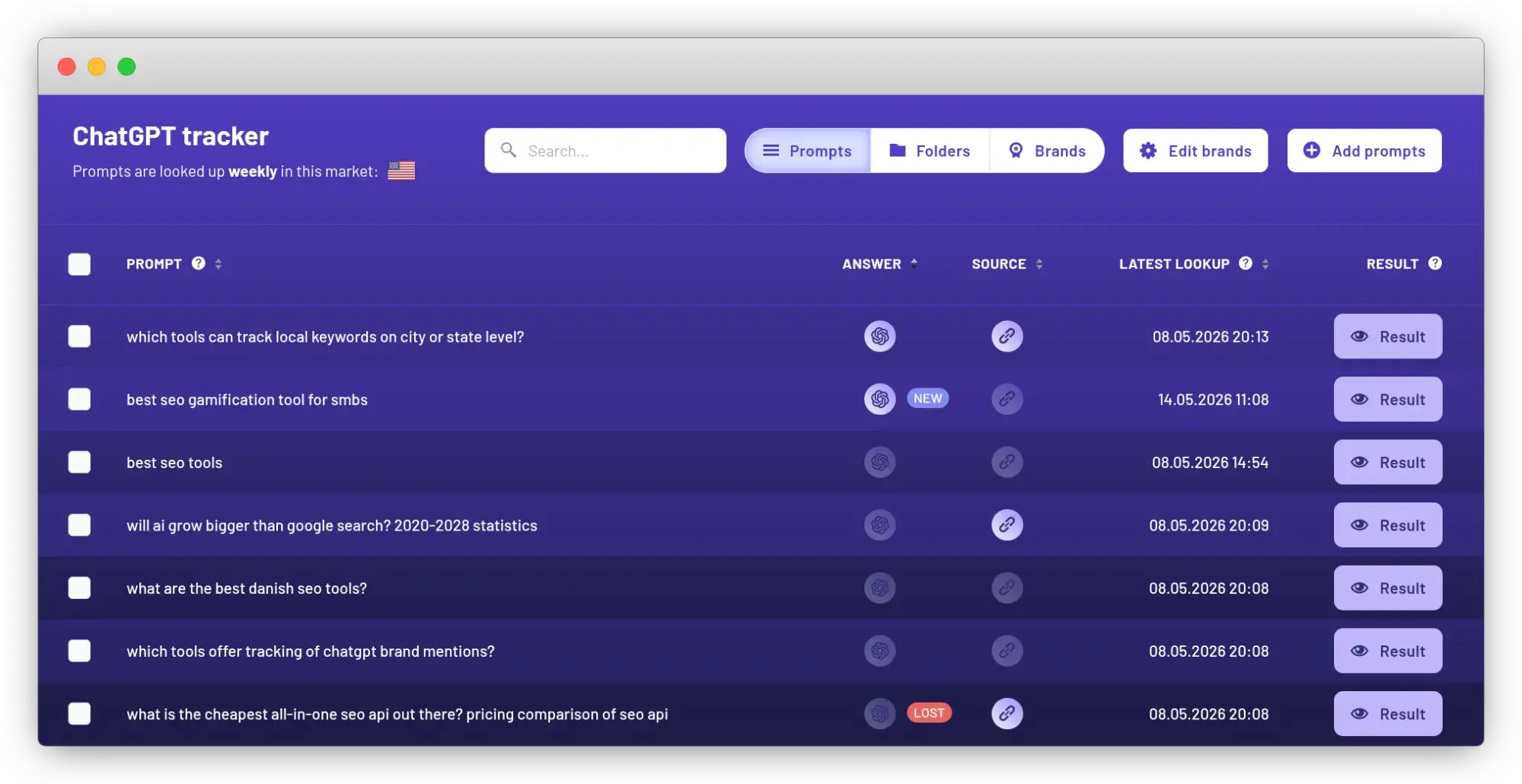
This evidence is vital for competitive intelligence. By analyzing which domains are consistently cited alongside their own, companies can identify potential partnership opportunities or content gaps that competitors are exploiting. Furthermore, this transparency allows for a more rigorous quality assurance process, where teams can run the same priority prompts across multiple regions and languages to ensure consistent brand representation.
Implications for Future Marketing Strategy
The rise of the "Answer Economy" forces a fundamental rethink of the marketing department’s role in the organization. Marketing teams are no longer just content creators; they are now managers of brand presence in a conversational ecosystem. This shift requires a five-step implementation strategy for any organization serious about maintaining market share in an AI-first world:
- Integration and Reporting: Establishing a central repository where AI visibility data resides alongside traditional traffic and conversion metrics.
- Prompt Governance: Standardizing the list of queries tracked to ensure that trend data remains consistent and comparable over time.
- Multi-run Quality Assurance: Acknowledging the inherent variance in AI responses and implementing multi-run checks to capture a statistically significant view of brand visibility.
- Evidence Repository: Creating an archive of AI-generated responses to serve as a library for competitive intelligence.
- Pilot and Scale: Beginning with a high-intent pilot group of prompts before expanding the measurement program to broader brand or category terms.
Conclusion: Measuring What Matters
The debate over Ahrefs Brand Radar alternatives is ultimately a discussion about the maturity of AI marketing analytics. While Ahrefs provides a powerful baseline, the needs of modern B2B organizations are diverging. The most successful teams are those that view AI visibility not as a siloed metric, but as an extension of their broader revenue-operations strategy.
As G2’s 2026 data suggests, the window for adapting to this new research paradigm is closing. Marketing leaders must prioritize tools that move beyond descriptive analytics—simply telling them where they are—and toward prescriptive analytics that inform what to do next. Whether through the integrated CRM approach of HubSpot, the enterprise-scale reporting of Profound, or the specialized intent-tracking of Xofu, the objective remains the same: ensuring that when a customer asks an AI for a solution, the brand is not only present but recommended as the authoritative, logical choice. The future of brand growth will be determined by how effectively teams can bridge the gap between AI-driven discovery and tangible business outcomes.