Shane Lowry Opens Up About Caregiving, Joint Health, and His Unforgettable Masters Moment

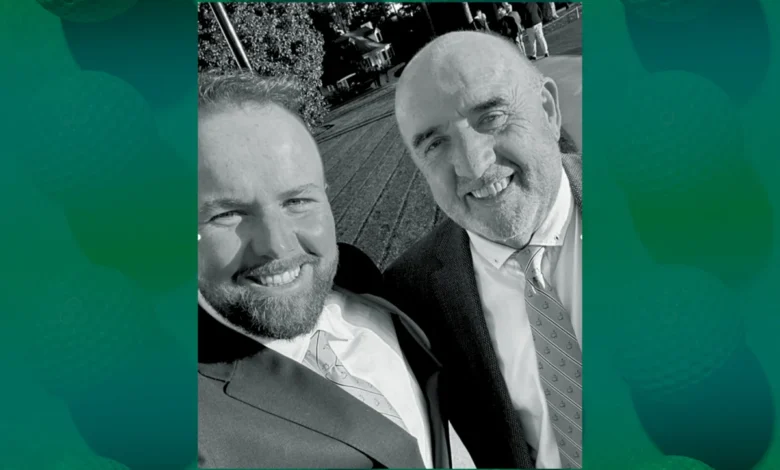
Professional golf features no shortage of glamorous milestones—lifting a Claret Jug, competing under the intense pressure of the Ryder Cup, or sinking a dramatic shot before tens of thousands of cheering fans. Yet, for golfing great Shane Lowry, the accomplishments that resonate most deeply often happen off the course. Beyond the fairways and championship trophies, Lowry’s most profound recent responsibility has been acting as a caregiver for his father, Brendan Lowry, a former Gaelic football player who underwent significant joint replacement surgeries.
This personal experience has shaped a new, high-profile partnership between Lowry and Stryker, a global leader in medical technology. The collaboration aims to highlight an often-overlooked demographic in healthcare: family caregivers. As Lowry prepares for competition on the international stage, his story bridges the worlds of elite athletics, family responsibility, and the broader societal importance of proactive joint health and preventative medicine.
The Personal Journey: From Athletic Glory to Caregiving Support
Brendan Lowry was no stranger to physical exertion. As a prominent Gaelic football player in Ireland, his athletic career demanded immense physical resilience. However, decades of competitive sports eventually took a severe toll on his mobility. Ten to twelve years ago, Brendan underwent a hip replacement surgery, a procedure that successfully alleviated his immediate discomfort and restored a measure of everyday function.
Over time, however, the wear and tear shifted to other joints. With his hip stabilized, the persistent pressure ultimately exposed severe degradation in his knee. A few years ago, Brendan underwent a secondary major procedure—a knee replacement. Both medical devices utilized in his treatments were manufactured by Stryker, and today, the elder Lowry is reported to be moving strongly and enjoying an active lifestyle once again.
For Shane Lowry, navigating his father’s medical journey was a natural extension of family loyalty, albeit one that placed him squarely within the modern "sandwich generation." Juggling an elite professional golf career, the responsibilities of raising an 18-month-old child, and the demands of assisting aging parents required careful balance.
"I’ve got my own 18-month-old, so I’m forging my own path, building my own life, and taking care of my own family," Lowry notes. "But I feel like I’ve been in a fortunate position where I can take care of my parents, too. When it came time for my dad to get something done about his hip, I was able to go find the right people. My dad’s still only 67—he’s young, so he doesn’t need that much taking care of. But when you’re able to help him through tougher times, it’s pretty fulfilling, to be honest."
Shedding Light on the Unsung Role of Caregivers
The partnership between Lowry and Stryker was designed to address a critical gap in public health awareness: the emotional and physical toll placed on family caregivers. Katherine Truppi, president of Stryker’s Joint Replacement division, emphasizes that the company’s core corporate mission is straightforward: "Together with our customers, we are driven to make healthcare better."
According to Truppi, collaborating with Lowry provided an ideal platform to shine a light on the caregiver experience—a role that is vital to the healthcare ecosystem yet frequently under-recognized. By sharing the Lowry family’s story, the initiative seeks to validate the experiences of millions of households navigating similar medical trajectories, ensuring they feel less isolated while managing the complexities of eldercare and surgical rehabilitation.
From a sociological perspective, the partnership arrives at a crucial time. Demographic trends across North America and Europe indicate an aging population, placing unprecedented demands on informal caregivers. Healthcare analysts point out that family members often absorb significant physical, financial, and emotional strain when coordinating medical interventions for aging relatives. Public awareness campaigns featuring high-profile figures help normalize these conversations, encouraging families to seek professional guidance earlier rather than later.
Overcoming Hesitation: Men’s Health and Preventative Action
A recurring hurdle in orthopedic medicine is the tendency for patients—particularly men—to delay medical consultations for chronic joint pain. Cultural expectations surrounding stoicism often lead individuals to normalize declining mobility, writing off persistent aches as a natural consequence of aging.
Lowry has been vocal about dismantling this stigma, drawing directly from his father’s trajectory. Before undergoing his surgeries, Brendan Lowry struggled with basic, everyday tasks, such as tying his own shoelaces. Following successful interventions, his lifestyle shifted dramatically, allowing him to engage freely with grandchildren, walk golf courses, and participate in light athletic activities.
"There’s nothing wrong with going and getting a consultation and seeing how much it can help you," Lowry advises. "Because when you do that, you’ll realize you can go from not being able to do simple everyday jobs to being back out there. As you get older, you want to be out and about with your grandkids, kicking a ball, playing golf. I think the hardest part for most people is the original step toward the consultation and starting the ball rolling."
This philosophy extends beyond orthopedics into general lifestyle management. Addressing high-achieving professionals, including entrepreneurs and corporate leaders who routinely log exhaustive work hours while neglecting nutrition and physical fitness, Lowry stresses the necessity of holistic self-care.
"It’s hugely important to take care of yourself, your body, and your mind," Lowry explains. "A small bit of exercise and eating the right stuff and other stuff in moderation—you need to enjoy yourself at times too—but it’s very important to take care of yourself. As I’ve gotten older and had kids, I’ve realized I want to stay younger for longer. And I think if you have a friend or family member and you see them limping or struggling through everyday life, don’t be afraid to say something. Don’t be afraid to ask, ‘Do you think you should get this checked out?’"
On the Course: The Thrill of a Masters Hole-in-One
While healthcare advocacy forms the cornerstone of his partnership with Stryker, Lowry remains one of the world’s most recognizable professional golfers, balancing his off-course commitments with an intense competition schedule.
Reflecting on the lighter, more exhilarating moments of his professional career, Lowry recounted the adrenaline surge of recording a hole-in-one on one of the sport’s grandest stages. During a Saturday afternoon round at the Masters tournament earlier this year, playing alongside a close friend, Lowry aced the par-three sixth hole in front of a gallery of approximately 20,000 roaring spectators.
"It’s a funny thing, because you’re obviously aiming there, right? That’s the object of golf—get the ball in the hole as quickly as you can," Lowry says. "But you don’t stand up on a hole and go, ‘Right, I’m going to make a hole-in-one here.’ You’re trying to hit the best shot you can, and sometimes it just comes off."
The immediate physiological impact of such a milestone is profound. Lowry notes that the sudden influx of adrenaline requires conscious effort to manage, as players must rapidly recalibrate their heart rates to refocus on the remainder of a multi-hour tournament round.
"When it happens in the middle of your round, your adrenaline goes through the roof, and you actually spend the next twenty minutes trying to get your heart rate back down, because you’ve still got a lot of golf to play," he observes. "But it’s a very cool thing to have 20,000 people there cheering you on."
Parallels Between Professional Golf and Daily Resilience
Beyond individual highlights, Lowry views professional golf as a microcosm of daily life, defined by inevitable fluctuations in performance, motivation, and circumstance. Much like building a business or managing chronic health conditions, sustaining a long career in professional athletics requires emotional equilibrium and persistent effort through prolonged slumps.
"It’s an interesting sport we play because it’s such a long career, and I think it’s pretty similar to everyday life—nothing is plain sailing," Lowry reflects. "It’s full of ups and downs, highs and lows, and it’s important to try and be as even as you can through it all. The last few months haven’t been the best for me, and I think it’s important to never lose sight of your goals or what you’re working toward—just keep grinding through, day by day, and eventually it’ll turn. It’s a stressful job at times, but it’s an amazing job. I’m very lucky to do what I do. I love competing at the highest level—it’s what I get out of bed for."
Broader Implications and Future Outlook
As medical technology continues to advance, partnerships between global healthcare innovators and public figures are increasingly utilized to drive patient engagement and health literacy. Companies like Stryker leverage these alliances to bridge the gap between complex engineering solutions—such as robotic-assisted joint replacements and advanced biomaterials—and the everyday consumer who may be hesitant to explore surgical options.
By framing joint health through the lens of family support and active aging, the collaboration between Lowry and Stryker addresses a fundamental human desire: maintaining independence and vitality across the lifespan. Whether analyzing the precise mechanics of a championship golf swing or managing the rehabilitation timeline of a loved one’s joint replacement, the underlying theme remains consistent—proactive intervention, resilience in the face of adversity, and the enduring value of strong support networks.
Related posts: