The Psychological Shift in Modern Recruitment Navigating the Job Interview Through Emotional Resilience and Strategic Preparation
In the contemporary labor market, the traditional power dynamic of the job interview is undergoing a fundamental transformation. For decades, the recruitment process was viewed as a unidirectional interrogation where the candidate functioned as a supplicant, seeking approval from an authoritative gatekeeper. However, emerging trends in organizational psychology and career coaching suggest that the most successful candidates are those who approach the interview not with a spirit of desperation, but with a calculated sense of detachment and self-assuredness. This shift in perspective, often referred to as "interviewer-candidate parity," emphasizes that the interview is a mutual assessment of fit rather than a performance for validation. To achieve this state, experts advocate for a rigorous combination of logistical preparation, physical regulation, and a psychological "reframing" that minimizes the paralyzing effects of performance anxiety.
The Paradox of Detachment: Why Less Pressure Yields Better Results
A counterintuitive but recurring observation in high-stakes recruitment is that candidates often perform at their peak when they are physically exhausted or mentally preoccupied with minor external stressors. This phenomenon, colloquially known as the "flat tire effect," suggests that when a candidate has dealt with a taxing event—such as a travel delay or a minor mechanical issue—their natural defenses and nervous affectations are stripped away. In this state of "flow" or "present-ness," the candidate is less likely to overthink their responses or attempt to provide what they perceive as the "perfect" answer.
From a psychological standpoint, this detachment reduces the "fight or flight" response triggered by the amygdala. When a candidate enters a room with the mindset that they "must" get the job, their cortisol levels spike, leading to "mewly" or overly subservient behavior. Conversely, approaching the meeting with the belief that they are already "perfect in themselves" allows for a more authentic exchange. This authenticity is critical; data from human resources surveys consistently show that hiring managers are more likely to remember and trust candidates who exhibit genuine personality over those who provide rehearsed, "teacher’s pet" responses.
Logistical Integrity: Eliminating Cognitive Load
To facilitate a relaxed mental state, the preparation process must begin long before the candidate enters the interview suite. Professional career strategists emphasize the importance of "cognitive load reduction"—the practice of automating or finalizing minor details so the brain can focus entirely on the conversation at hand.
The Chronology of Preparation
- T-Minus 24 Hours: The Wardrobe and Logistics Audit. Candidates are advised to lay out their entire attire, including minor accessories like pocket squares or hosiery. Trying on the outfit the night before ensures there are no unforeseen defects or fit issues.
- The Route Verification. Relying on digital maps in real-time is considered a high-risk strategy. A physical test drive or transit rehearsal to the location helps identify obscured building addresses, ongoing construction, or parking complexities.
- The Research Phase. Beyond a cursory glance at a company’s "About Us" page, deep-dive research into the hiring manager’s specific challenges is required. Utilizing platforms like LinkedIn to understand the professional trajectory of the interviewer allows the candidate to identify the "pain points" of the department.
By resolving these logistical variables, the candidate prevents the morning of the interview from becoming a source of "micro-stresses" that can accumulate and erode confidence.
The Physiological Imperative: Exercise as a Stress Management Tool
The link between physical exertion and mental clarity is a cornerstone of modern interview preparation. High-performance professionals, including operatic performers and public speakers, frequently utilize brief, intense exercise to "burn off" excess adrenaline. For a job seeker, ten minutes of brisk exercise—such as jumping jacks or stair climbing—serves to quiet the anxious brain.
This physiological "loosening up" prevents the candidate from appearing "tight" or overly formal. When the body is slightly fatigued, the voice tends to drop to a more resonant, authoritative register, and body language becomes more expansive and less defensive. This is particularly important because human communication is largely non-verbal; just as animals can sense fear through pheromones, hiring managers subconsciously pick up on the "energy waves" of a candidate’s confidence or lack thereof.

Strategic Research and the "Pain Point" Methodology
A common failure in the interview process is the candidate’s inability to articulate how they solve specific organizational problems. In the modern economy, hiring is rarely done for the sake of expansion alone; it is typically a response to "pain." There are essential tasks that are not being completed, or strategic goals that are being missed, because the position is vacant.
Effective candidates use their pre-interview research to formulate "Human-Voiced" questions. Instead of waiting for a citizenship-style exam, the candidate "spins the table" by asking the interviewer about the business’s current hurdles. This shifts the dynamic from an audition to a consultation. It demonstrates that the candidate is not there to "beg" for a paycheck, but to offer a solution to a problem.
The Conversational Shift: Moving Beyond the Script
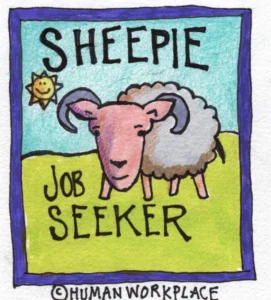
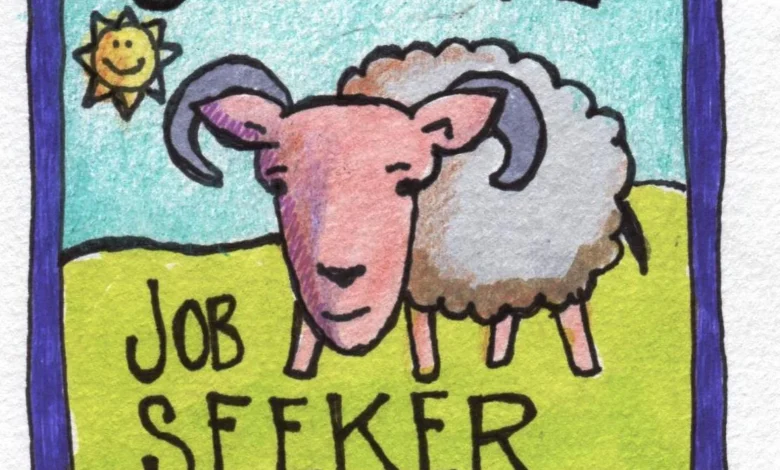
The most significant risk in an interview is being forgotten. Internal HR dialogues often reveal a "blurring" effect where multiple candidates who gave "correct" but generic answers become indistinguishable in the manager’s memory. This is the "Good Little Sheepie" trap—where a candidate follows the script so closely that their actual personality is eclipsed.
To combat this, candidates must prioritize truth-telling over "pleasing." This involves:
- Authentic Responses: Providing honest assessments of their own skills and experiences rather than trying to guess what the interviewer wants to hear.
- Active Engagement: Treating the interviewer as a peer. This includes using "Human-Voiced" language in resumes and during the dialogue.
- The "Fit" Assessment: Entering the room with the intent to walk away if the culture or the role is not a match. This "walk-away power" is the ultimate source of confidence.
Managers who are looking for subservient employees may be deterred by this level of confidence, but career experts argue that such managers often foster toxic or stagnant work environments. A manager who values "flame" and courage is more likely to provide a platform for long-term professional growth.
Broader Impact and Implications for the Labor Market
The shift toward high-agency interviewing has broader implications for the workforce. As the "knowledge economy" continues to evolve, the value of emotional intelligence (EQ) and self-regulation is outpacing the value of mere technical compliance. Organizations are increasingly realizing that the cost of a bad hire—estimated by the Society for Human Resource Management (SHRM) to be as much as five times the employee’s annual salary—can be mitigated by hiring individuals who possess the confidence to challenge the status quo.
Furthermore, the "post-interview" phase is being redefined. Rather than a period of anxious waiting and second-guessing, it is now viewed as an iterative learning opportunity. Candidates are encouraged to debrief with a "wise bestie" or mentor to capture the nuances of the conversation while they are still fresh. This practice turns every interview into a data-gathering mission that strengthens the candidate’s "muscles" for the next opportunity, regardless of the immediate outcome.
Ultimately, the goal of the modern job interview is not merely to "get the job," but to find a resonance between the individual’s unique talents and the organization’s specific needs. By mastering the art of detachment, rigorous logistics, and physiological regulation, candidates can navigate the recruitment process with a level of dignity and effectiveness that traditional methods cannot match. In this new paradigm, the candidate is not a product being sold, but a partner in a potential high-value collaboration.