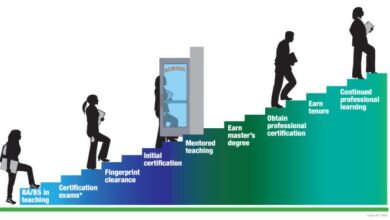

Applying for teacher training is an exciting but potentially daunting journey. This guide breaks down the entire process, from initial research to securing funding and choosing the perfect program. We’ll explore the various types of teacher training programs, the essential documents you’ll need, and effective strategies for crafting a strong application. Plus, we’ll address common pitfalls and provide valuable resources to help you succeed.
We’ll delve into the practical aspects, covering everything from understanding eligibility criteria and gathering necessary documents to creating a compelling personal statement and securing financial aid. This comprehensive guide is your roadmap to navigating the application process with confidence and clarity.
Overview of Teacher Training Applications
Embarking on a career in teaching often involves navigating a structured application process for teacher training programs. Understanding the various stages, program types, and eligibility criteria is crucial for a successful application. This guide provides a comprehensive overview, detailing the steps involved, from initial research to program submission.The application process for teacher training programs can vary significantly depending on the specific program and institution.
However, a common thread runs through the process: thorough preparation and meticulous attention to detail. This involves careful research, preparation of required documents, and adherence to deadlines.
Teacher Training Program Types
Teacher training programs are available at different levels, each with its own focus and requirements. Understanding these distinctions helps applicants select the program that best suits their career goals. Undergraduate programs typically provide foundational knowledge and skills in education, while postgraduate programs, such as Master’s degrees, delve deeper into specific pedagogical approaches and teaching methodologies. Specialized programs often focus on particular subjects or grade levels, equipping candidates with the expertise needed to excel in those areas.
Eligibility Criteria and Prerequisites
Different teacher training programs have specific eligibility requirements. These criteria often include academic qualifications, such as specific degrees or transcripts, and relevant experience. Some programs might require specific tests, like standardized assessments or professional skills demonstrations. For example, a postgraduate program might require a bachelor’s degree in a related field, while a specialized program in early childhood education might need experience working with young children.
Furthermore, certain programs may have specific prerequisites or entrance examinations.
Steps in the Application Process
The application process generally involves several steps, each demanding attention to detail. A well-organized approach can streamline the process and increase the chances of acceptance.
- Initial Research: Thoroughly research different teacher training programs, considering factors like program structure, faculty expertise, and program location. Compare program curricula, teaching philosophies, and career support opportunities offered by various institutions. Consider factors like the institution’s reputation and the specific programs available.
- Gathering Documents: Compile all necessary documents, including transcripts, letters of recommendation, and personal statements. Ensure all documents are accurate, complete, and meet the program’s specific requirements. Understanding the format and length requirements for each document is vital.
- Preparing Application Materials: Carefully craft a compelling personal statement that highlights your passion for education and your suitability for the program. Prepare letters of recommendation from individuals who can attest to your skills and qualifications. Pay attention to formatting and grammar, ensuring that all materials are polished and error-free.
- Completing the Application Form: Fill out the application form accurately and completely, adhering to all instructions. Ensure all information is accurate and consistent with other submitted documents. Review all submitted materials for accuracy and completeness.
- Submission and Deadlines: Adhere strictly to application deadlines. Submit all required materials by the designated date and time. Confirm receipt of your application to avoid any potential issues.
Application Deadlines and Timeline
Application deadlines for teacher training programs vary considerably depending on the program and institution. Some programs might have rolling admissions, while others might have a fixed deadline. A clear understanding of these timelines is essential for successful application. For instance, a popular program might have a high volume of applications and a fixed deadline.
Essential Documents and Requirements

Applying for teacher training programs often involves a comprehensive application process, demanding a variety of supporting documents. Understanding the specific requirements for each program is crucial for a successful application. This section will delve into the common documents needed and highlight their importance.The document requirements for teacher training programs vary depending on the program type, institution, and specific program.
Careful attention to the specific instructions and guidelines is vital to ensure your application is complete and meets the necessary criteria. Different programs may place varying degrees of emphasis on certain documents, and a clear understanding of these nuances can significantly enhance your chances of acceptance.
Common Documents Required
Understanding the typical documents required for teacher training applications is essential. These documents serve to verify your qualifications, experience, and suitability for the program. They typically include transcripts, letters of recommendation, personal statements, and resumes.
Transcripts
Official transcripts are essential for demonstrating your academic background. They verify your coursework completion and grades. These documents are typically required for all teacher training programs, regardless of the specific program type.
- Official transcripts are usually required from all institutions attended. They should clearly show the courses taken, the grades earned, and the degree earned (if applicable).
- Transcripts should be submitted directly from the issuing institution, not copies. This ensures the authenticity and validity of the records.
- Ensure that the transcript is complete and accurate, reflecting all academic coursework and grades.
Letters of Recommendation
Letters of recommendation are crucial for demonstrating your suitability as a prospective teacher. They provide insights into your character, skills, and potential from individuals who have observed you in various settings.
- Letters of recommendation typically come from professors, supervisors, or mentors who can attest to your academic performance, work ethic, and interpersonal skills.
- The quality of the letters of recommendation is important. They should reflect your strengths and provide specific examples to support your suitability for teaching.
- Seek recommendations from individuals who know you well and can provide insightful perspectives on your abilities and potential as a teacher.
Personal Statements
A personal statement allows you to showcase your passion for teaching and your reasons for pursuing teacher training. It provides a platform to articulate your unique experiences, values, and aspirations.
- A personal statement should clearly express your motivation and commitment to education.
- The statement should showcase your understanding of the challenges and rewards of teaching, providing concrete examples of your experiences and how they shaped your interest in teaching.
- The personal statement should reflect your personality and demonstrate your ability to connect with students and colleagues.
Resumes/Curriculum Vitae (CV)
A resume or CV provides a concise overview of your academic and professional background. It serves as a quick reference for program admissions committees.
- A resume should highlight your relevant experience and skills, such as volunteer work, internships, or previous teaching experience.
- Format the resume professionally, using a clear and concise structure. A well-organized resume makes it easier for admissions committees to review your qualifications.
- A CV, if required, may include more detail than a resume, including publications, presentations, and research experience.
Sample Document Formats
The following examples illustrate typical formats for key documents.
Transcript Example
A transcript typically includes a header with the institution’s name, the student’s name, and the degree earned. It lists each course taken, the credits earned, and the corresponding grade.
Letter of Recommendation Example
A letter of recommendation should be addressed to the admissions committee and include the recommender’s name, title, and contact information. It should clearly state the recommender’s relationship to the applicant and provide specific examples of the applicant’s strengths.
Personal Statement Example
A personal statement should clearly state the applicant’s interest in teaching, their experiences, and their aspirations for a career in education. It should showcase their understanding of the challenges and rewards of teaching.
Resume/CV Example
A resume/CV should include sections for education, experience, skills, and awards. It should highlight the applicant’s qualifications and relevant experiences.
Application Preparation Strategies: Applying For Teacher Training

Crafting a compelling application for teacher training requires meticulous planning and a strategic approach to each component. This phase isn’t just about assembling documents; it’s about showcasing your passion, skills, and suitability for the demanding but rewarding profession of teaching. A well-structured approach to preparing your application materials will significantly increase your chances of success.
Crafting a Compelling Personal Statement
A strong personal statement is your opportunity to articulate your unique teaching philosophy, motivations, and experiences. It’s not simply a summary of your background; it’s a narrative that reveals your understanding of education and your commitment to student success. It should demonstrate your understanding of pedagogy and how your experiences align with your future teaching aspirations. A well-crafted personal statement paints a vivid picture of you as a prospective teacher, highlighting your strengths and showcasing your suitability for the specific program.
Preparing Strong Letters of Recommendation
Securing strong letters of recommendation is crucial. These letters act as powerful endorsements from individuals who can attest to your character, skills, and potential as an educator. Choose recommenders who can speak to specific aspects of your teaching abilities or leadership qualities. Provide them with detailed information about the program you’re applying to, and request their insights on how your skills and experiences would benefit students.
This will enable them to craft a personalized recommendation that truly showcases your strengths.
Highlighting Relevant Experiences and Skills
Your application should showcase your relevant experiences and skills, highlighting how they align with the program’s objectives. This includes volunteer work, extracurricular activities, previous teaching experiences, or other professional roles that demonstrate your aptitude for nurturing young minds. Quantify your accomplishments whenever possible. For example, instead of stating “I helped students,” describe how many students you helped and what specific skills you utilized to achieve the outcome.
This tangible evidence of your abilities adds weight to your application.
Addressing Potential Weaknesses in the Application
Every application has potential weaknesses. Acknowledge any gaps or areas where your experience might not be as extensive as desired. Frame these areas as opportunities for growth and learning. For instance, if you lack experience in a particular subject area, discuss how you are actively working to develop that expertise through relevant coursework or professional development. This proactive approach demonstrates your commitment to continuous improvement and showcases your potential for future success.
Remember, transparency and a growth mindset are often more impactful than trying to mask any perceived shortcomings.
Applying for teacher training feels like a huge leap, right? It’s a lot of paperwork and preparation, but the rewards are worth it. It’s also good to see that joint efforts like the ones described in this article about joint effort snares gang of cyberthugs are keeping the online world safe. Hopefully, this kind of coordinated effort will also help me tackle the challenges of the application process! I’m really looking forward to it.
Common Application Pitfalls and How to Avoid Them
Applying for teacher training programs can be a complex process, fraught with potential pitfalls. Understanding these common mistakes and how to avoid them is crucial for increasing your chances of success. Careful attention to detail and a proactive approach are key to navigating the application landscape effectively.Navigating the teacher training application process requires meticulous attention to detail. Many applicants, overwhelmed by the sheer volume of requirements and the pressure to impress, make errors that could ultimately hinder their application.
Applying for teacher training feels like navigating a complex landscape. It’s like trying to understand the intricate ways that old science, like, say, old science caught in new media whirlwind , is impacting the modern classroom. Ultimately, I’m hoping my application shines through all the digital noise and highlights my passion for effective pedagogy.
By recognizing these common pitfalls and implementing the strategies provided, aspiring teachers can significantly improve their chances of acceptance and embark on a fulfilling teaching career.
Incomplete or Inaccurate Information
Providing incomplete or inaccurate information is a frequent pitfall. This could range from missing sections on the application form to misrepresenting experiences or qualifications. Such errors stem from a lack of thoroughness and a failure to double-check submitted information. The consequences can be severe, from disqualification to a negative impact on the applicant’s perceived suitability for the program.
I’m currently in the process of applying for teacher training, and it’s been a surprisingly involved process. While sifting through application requirements, I stumbled across news about Intel doubling down on netbook processors here. This development could potentially impact the future of affordable educational technology, which is something I’m really interested in for the classrooms I hope to work in.
So, back to my applications – I’m hoping to find a program that aligns with my goals.
Careful review and verification of all information before submission is paramount. This includes scrutinizing transcripts, letters of recommendation, and personal statements for accuracy. Employing a checklist can be extremely helpful in ensuring all necessary components are included.
Insufficient or Weak Supporting Documents, Applying for teacher training
Supporting documents, such as letters of recommendation and personal statements, play a crucial role in showcasing an applicant’s suitability for the program. A common pitfall is submitting documents that lack substance or fail to effectively highlight the applicant’s strengths. This often stems from a lack of preparation and a failure to understand the specific criteria the program values.
Letters of recommendation should be from individuals who can speak to the applicant’s skills and experience, highlighting specific examples to demonstrate the candidate’s suitability. Personal statements should be tailored to the specific program, demonstrating a deep understanding of its values and the applicant’s alignment with those values.
Lack of Proofreading and Editing
Proofreading and editing are often overlooked but critical aspects of the application process. Grammatical errors, typos, and inconsistencies in style can significantly impact the perception of the applicant. This stems from a lack of attention to detail and insufficient time dedicated to the final review process. A poorly written application can convey a lack of attention to detail and professionalism, which can be detrimental to the applicant’s chances of success.
Enlisting a second set of eyes for proofreading and editing is a wise strategy, as fresh perspectives can often catch errors that the applicant might miss.
| Common Pitfalls | Effective Solutions |
|---|---|
| Incomplete or Inaccurate Information | Thorough review and verification of all information; utilize a checklist |
| Insufficient or Weak Supporting Documents | Tailor documents to the program’s criteria; seek strong recommendations; develop a compelling personal statement |
| Lack of Proofreading and Editing | Multiple proofreads by different people; utilize online tools; invest ample time in final review |
Thorough proofreading and editing are essential for a polished application. This meticulous process ensures that the application accurately reflects the applicant’s skills, experience, and commitment to the profession. Investing the necessary time and effort to refine the application significantly enhances its impact on the selection committee.
Financial Considerations for Teacher Training
Teacher training is a significant investment in your future, and understanding the financial aspects is crucial for making informed decisions. This section explores the costs involved and potential funding opportunities to help you navigate the financial landscape of your teacher training journey.
The financial commitment to pursuing teacher training can vary widely depending on factors such as the type of program, location, and individual living expenses. Careful planning and research are essential to manage these costs effectively and avoid undue financial strain.
Potential Funding Opportunities
Numerous funding opportunities can alleviate the financial burden of teacher training. Scholarships and grants often provide full or partial tuition waivers, reducing the direct cost of the program. These resources can significantly impact your ability to pursue your goals without significant financial constraints.
- Scholarships: These merit-based or need-based awards can cover tuition, fees, and sometimes even living expenses. They are often competitive, so researching and applying early is key. Examples include scholarships targeting specific demographics, majors, or financial need.
- Grants: Similar to scholarships, grants can provide funding for tuition and other expenses. Often, grants have less stringent eligibility criteria compared to loans. Consider state-specific grants or those tailored to teacher education programs.
Tuition, Fees, and Living Expenses
Direct costs associated with teacher training programs typically include tuition, application fees, and course materials. Indirect costs, such as living expenses, books, and transportation, can also significantly impact the overall financial commitment.
- Tuition: Tuition fees for teacher training programs can range substantially depending on the institution and program type. Public institutions often have lower tuition rates compared to private ones. Research the specific tuition rates for your desired programs to get a clearer picture of the expected costs.
- Fees: Beyond tuition, additional fees may include application fees, technology fees, and student activity fees. Be sure to factor these fees into your overall budget.
- Living Expenses: If you are pursuing teacher training in a location that differs from your current residence, anticipate costs for accommodation, food, and transportation. These expenses can vary significantly based on the cost of living in the area.
Financial Aid Options
Various financial aid programs can help offset the cost of teacher training. These programs can significantly assist in making the educational journey more affordable. Be aware of the eligibility requirements for each program.
| Financial Aid Program | Eligibility Criteria | Potential Benefits |
|---|---|---|
| Federal Pell Grants | Demonstrated financial need, U.S. citizenship or eligible non-citizen status. | Covers tuition and fees. |
| State Grants | State residency, meeting specific academic requirements. | Covers tuition and fees. |
| Institutional Scholarships | Meeting specific academic criteria, demonstrated financial need, or merit. | Covers tuition and fees. |
| Private Scholarships | Meeting specific criteria, such as academic achievement, extracurricular involvement, or financial need. | Covers tuition, fees, and possibly living expenses. |
Comparing Financial Aid Programs
Comparing different financial aid programs is crucial for selecting the most beneficial options for your specific circumstances. Consider the eligibility requirements, potential benefits, and overall cost savings. Evaluate the benefits and eligibility requirements of each program before making your decision.
- Eligibility Criteria: Each program has its own set of eligibility criteria, including academic performance, financial need, and specific program requirements. Carefully review the criteria for each program to determine your eligibility.
- Application Deadlines: It’s essential to understand the application deadlines for each program and ensure that you apply within the specified timeframe. Missing a deadline can result in losing potential funding opportunities.
- Program Benefits: Consider the extent of the funding offered by each program. Analyze how much of your educational expenses each program will cover, comparing the overall support each option provides.
Tips for Choosing the Right Teacher Training Program
Choosing the right teacher training program is a crucial step in your journey to becoming a certified educator. It’s not just about finding a program; it’s about finding the program that aligns with your goals, learning style, and long-term vision for your teaching career. This selection process demands careful consideration and thorough research.Finding a program that fosters your growth and equips you with the skills to excel in the classroom is essential.
A well-chosen program will provide you with the necessary knowledge, practical experience, and support system to thrive as a future educator.
Identifying a Suitable Teacher Training Program
A suitable teacher training program is one that meets your specific needs and aspirations. This involves understanding your preferred learning style, the type of teaching you envision, and the geographical location that best suits your lifestyle. You should consider factors such as the program’s curriculum, reputation, and the opportunities for hands-on experience. Furthermore, ensure the program aligns with your personal and professional goals.
Factors to Consider When Selecting a Program
Several crucial factors influence the suitability of a teacher training program. A comprehensive evaluation requires careful consideration of the program’s curriculum, location, reputation, and cost.
- Curriculum: A robust curriculum encompasses a wide range of essential pedagogical concepts and methodologies. Look for programs that offer diverse learning experiences, including classroom observation, lesson planning, and practical teaching exercises. The program should also cover the specific subject areas you intend to teach, providing specialized knowledge and skill development. A strong curriculum is critical for providing a solid foundation for future educators.
- Location: The location of the program significantly impacts your learning experience and professional opportunities. Consider factors such as proximity to potential employment markets, access to resources, and the overall learning environment. A program in a city with a high concentration of schools may offer more opportunities for field experience.
- Reputation: A program’s reputation reflects its quality and the success of its graduates. Research the program’s history, faculty expertise, and alumni network. Positive feedback from current students and previous graduates can provide valuable insights into the program’s effectiveness.
- Cost: Teacher training programs vary significantly in cost. Carefully evaluate the program’s tuition fees, living expenses, and potential financial aid options. Consider the long-term value proposition of the program and its return on investment. Research scholarships, grants, and other financial assistance opportunities to alleviate the financial burden.
Questions to Ask Potential Programs
Before committing to a teacher training program, it’s crucial to ask the right questions. These questions will help you assess the program’s strengths and weaknesses and determine its alignment with your needs.
- What specific pedagogical approaches are emphasized in the program?
- What opportunities for hands-on teaching experience are provided?
- What is the program’s graduation rate and the success rate of graduates in securing teaching positions?
- What is the program’s approach to supporting diverse learners and diverse learning styles?
- What resources and support systems are available to students throughout the program?
- What are the program’s policies regarding student evaluations and feedback?
Comparing Different Program Options
Comparing different teacher training program options involves evaluating their strengths and weaknesses in relation to your individual needs and aspirations. A detailed comparison can help you make an informed decision.
| Program | Strengths | Weaknesses |
|---|---|---|
| Program A | Strong emphasis on technology integration, extensive field experience | Limited support for students with disabilities |
| Program B | Experienced faculty with a proven track record, strong alumni network | Higher tuition fees compared to other programs |
| Program C | Focus on culturally responsive teaching, excellent mentoring program | Limited access to specific subject-matter expertise |
Evaluating Teacher Training Programs
Developing a framework for evaluating teacher training programs is essential to ensure that you select a program that meets your needs. This framework should incorporate various aspects, including curriculum, location, reputation, cost, and the program’s overall approach to teacher development.
- Curriculum Assessment: Evaluate the program’s alignment with your teaching philosophy and subject area expertise.
- Location Analysis: Consider the program’s geographical location and its potential impact on your career prospects.
- Reputation Review: Research the program’s history, faculty, and alumni success rate.
- Financial Evaluation: Assess the program’s cost, financial aid options, and potential return on investment.
- Overall Evaluation: Consider the program’s holistic approach to teacher development, including mentorship, professional development opportunities, and networking.
Resources for Prospective Applicants
Navigating the teacher training application process can feel overwhelming. Fortunately, a wealth of resources are available to support prospective applicants throughout their journey. These resources range from online platforms providing program information to organizations offering financial aid opportunities. Understanding these resources and effectively utilizing them can significantly ease the application process and increase your chances of success.
Key Online Resources
Numerous websites and online platforms provide invaluable information for prospective teacher training applicants. These resources often include program descriptions, application deadlines, and contact information. They can also be instrumental in understanding the requirements and navigating the complexities of the application process. Utilizing these platforms effectively can streamline the application process and enhance your chances of acceptance.
- Teacher Training Program Directories: These directories compile listings of various teacher training programs across different states or regions. They often offer detailed program information, including curriculum, faculty profiles, and potential career paths. Examples include the websites of state departments of education, or specialized teacher training directories like those from organizations such as the National Council on Teacher Quality.
- Educational Organizations and Associations: Professional organizations like the National Education Association (NEA) and the American Federation of Teachers (AFT) offer valuable resources, including articles, blogs, and forums dedicated to teacher training and related topics. They also often host webinars and workshops, providing opportunities to learn from experienced educators.
- Online Forums and Communities: Online forums and communities dedicated to teacher training can be invaluable resources. These platforms allow prospective applicants to connect with current and former teacher trainees, ask questions, and share experiences. Examples include Reddit communities or specialized Facebook groups for teacher training.
Networking and Mentorship
Building a network of educators and mentors is crucial for success in the teacher training application process. Mentors can provide valuable insights, offer support during the application process, and guide you through navigating the complexities of the field. Mentorship can significantly enhance your application process and your overall experience as a teacher trainee.
- Connecting with Current Teachers: Reaching out to current teachers, particularly those in the specific subject area or grade level you’re interested in, can provide valuable insights into the field and the teacher training program you’re considering. This can include attending local school events or contacting teachers directly via email or social media.
- Leveraging Professional Networks: Utilize your existing professional networks (e.g., alumni associations, professional organizations) to explore opportunities for mentorship or guidance. This could involve connecting with alumni who have completed teacher training or seeking guidance from colleagues in related fields.
Resource Summary
The following table summarizes various resources categorized by type, providing a quick overview of potential support avenues.
| Resource Type | Examples |
|---|---|
| Financial Aid | Federal grants, scholarships from educational organizations, school district assistance programs |
| Program Information | Teacher training program websites, program directories, educational organizations’ websites, online forums |
| Networking | Current teachers, mentors, alumni, professional organizations |
Effective Strategies for Utilizing Online Resources
Effectively utilizing online resources is crucial for prospective teacher training applicants. This includes strategies for finding relevant information, staying organized, and managing the sheer volume of available data.
- Research: Employing effective research when searching for teacher training programs and resources can significantly narrow down your search results. For example, combining terms like “elementary education teacher training programs” with specific location details can help you find relevant options.
- Bookmarking and Organization: Create a dedicated folder or online space to store relevant articles, websites, and other resources. This helps maintain an organized system for accessing critical information when needed.
- Critical Evaluation: Evaluate the credibility of websites and sources before accepting information as fact. Verify the information’s accuracy and relevance to your specific needs.
Outcome Summary
So, are you ready to embark on your teacher training journey? This comprehensive guide has equipped you with the knowledge and strategies needed to successfully navigate the application process. Remember, thorough preparation, meticulous attention to detail, and a clear understanding of your goals are key to success. Now go forth and apply with confidence! Good luck!