Answer Engine Optimization: A New Paradigm for Digital Visibility and Brand Authority

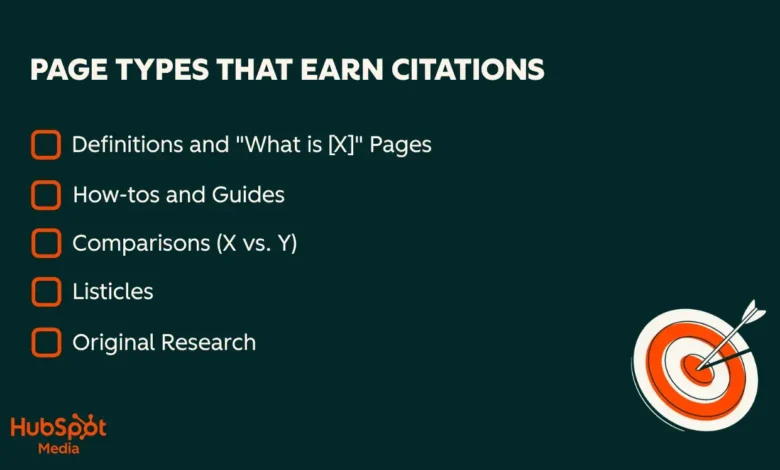
The traditional search engine landscape, long defined by keyword stuffing, backlink volume, and domain authority metrics, is undergoing a fundamental transformation. As artificial intelligence integration becomes the standard for major search platforms, a new practice has emerged: Answer Engine Optimization (AEO). Unlike conventional Search Engine Optimization (SEO), which aims to secure a top-ten placement on a results page, AEO focuses on positioning a brand’s content to be directly cited and ingested by AI-powered search interfaces, including Google AI Overviews, OpenAI’s ChatGPT, Microsoft’s Copilot, and Perplexity.
This shift represents a move from "findability" to "quotability." In an environment where users increasingly receive synthesized, AI-generated responses to complex queries, the ability of a brand to provide clear, accurate, and structured data is the primary driver of digital visibility.
The Evolution of Search: From Links to Synthesis
For over two decades, the web operated on a system of discovery. Users entered keywords, and search engines provided a list of links. Today, large language models (LLMs) act as intermediaries, parsing the web to synthesize answers. According to industry analysts and the latest data from the State of AEO report, which surveyed over 4,000 global marketers, this shift has rendered many legacy SEO tactics ineffective.
The transition began in earnest during the latter half of 2023, as major search providers began aggressive deployments of generative AI. By early 2024, the discrepancy between traditional ranking and AI citation became clear. Brands that dominated organic search results were not automatically appearing in AI responses. Instead, engines prioritized content that was architecturally suited for extraction—meaning information that is modular, concise, and verifiable.
-What-We-Learned-from-Analyzing-10+-Brands-With-High-AI-Search-Citations-1-20260826-304258.webp)
Structural Requirements for AI Citability
Data analysis of high-citation brands reveals a consistent reliance on specific structural conventions. AI models do not "read" a webpage in the traditional sense; they process it through tokenization and semantic analysis. Consequently, pages that utilize a clear hierarchy of headings—specifically H2s and H3s—are cited at significantly higher rates.
Research indicates that pages containing between seven and fifteen H2 headings achieve peak citation performance. This structure allows the engine to isolate specific, self-contained answers within a larger document. Furthermore, the use of schema markup—specifically FAQ, Article, and Author schema—serves as a roadmap for AI bots, explicitly labeling content as a question-and-answer pair or an authoritative piece of research.
The Role of E-E-A-T and Entity Authority
Google’s long-standing E-E-A-T (Experience, Expertise, Authoritativeness, and Trustworthiness) framework has gained renewed importance in the AEO era. Because AI models are prone to hallucinations, they are programmed to prioritize sources that demonstrate a verified history of accuracy.
To build this "entity authority," successful brands are now treating their digital footprint as a holistic ecosystem. This includes:
- Credentialed Authorship: Ensuring that content is tied to identifiable experts with documented credentials.
- Original Research: Publishing proprietary data or unique analysis that cannot be found elsewhere, making the brand an indispensable primary source.
- Off-Page Corroboration: Maintaining a presence in niche communities, industry-specific forums, and social platforms like LinkedIn and YouTube. These channels act as validation signals; when an AI engine finds the same information corroborated across multiple reputable sources, its confidence in citing that information increases.
Comparative Analysis of Major Platforms
The AEO landscape is not monolithic; different engines favor different types of content based on their underlying algorithms and user base.

- Google AI Overviews: Heavily favors content that already ranks well in organic search. It prioritizes authoritative articles and long-form content that provides comprehensive answers.
- ChatGPT: Shows a distinct preference for comparison content (e.g., "Product A vs. Product B") and well-sourced, objective product reviews. It relies heavily on clear attribution.
- Perplexity: Operates more like a research assistant, often prioritizing real-time data, news, and niche technical information. It is perhaps the most aggressive in linking out to specific, high-quality sources.
- Gemini: Designed for multi-step, conversational queries. It rewards content that is modular and capable of supporting follow-up questions.
The Measurement Crisis: Why Traditional Metrics Fail
A significant hurdle for organizations transitioning to an AEO-first strategy is the obsolescence of traditional measurement tools. Many marketing dashboards rely on "clicks" as the primary proxy for success. However, AEO often results in a "zero-click" outcome, where the user receives their answer directly in the search interface.
Industry experts, including AJ Ghergich of Botify, have warned that standard analytics tools are failing to capture the true volume of AI interaction. Crawl-to-human-visit ratios have spiked, with some platforms performing hundreds of AI crawls for every single human referral. Brands that continue to measure success solely through click-through rates (CTR) risk underestimating their actual brand visibility and the impact of their AI presence on the sales pipeline.
Modern measurement frameworks must instead focus on:
- Share of Voice in AI: Tracking how often a brand is cited for core industry keywords compared to competitors.
- Sentiment Analysis: Monitoring how AI interprets and summarizes brand positioning.
- Assisted Conversions: Analyzing the correlation between AI visibility spikes and shifts in direct traffic or high-intent lead generation.
A 90-Day Strategic Roadmap for AEO
For organizations looking to secure their position in the AI-driven search market, a structured 90-day implementation plan is recommended.
Phase 1: Audit and Baseline (Weeks 1–2)
Establish a baseline of current visibility using AI search grading tools. Identify which priority pages are currently being cited and, more importantly, which competitor pages are winning in those categories.
-What-We-Learned-from-Analyzing-10+-Brands-With-High-AI-Search-Citations-2-20260826-1137108.webp?width=700&height=403&name=(non-organic)-What-We-Learned-from-Analyzing-10+-Brands-With-High-AI-Search-Citations-2-20260826-1137108.webp)
Phase 2: Technical Optimization (Weeks 3–6)
Focus on "content refreshes." Updating existing high-authority pages with current data, improved heading structures, and explicit FAQ schema is significantly more effective than creating new content. Ensure all H1 and H2 tags are descriptive and aligned with user intent.
Phase 3: Authority and Distribution (Weeks 7–12)
Expand the brand’s digital footprint into communities where the target audience resides. This includes publishing research-heavy content on LinkedIn and creating long-form video content on YouTube, which the algorithms treat as high-trust signals.
Governance: The Next Frontier
As AEO matures, the responsibility for managing a brand’s AI representation is shifting from purely IT-based bot governance to a cross-functional effort involving marketing, legal, and executive leadership. The "block or allow" toggle for AI bots is no longer just a technical setting; it is a strategic business decision. Companies must now define what their brand data is, who is allowed to access it, and how it is represented in synthesized answers.
Broader Implications for the Future of Business
The rise of AEO suggests that the future of digital marketing is less about "hacking" the algorithm and more about establishing institutional credibility. As answer engines become more sophisticated, they will inevitably prune out low-quality, speculative, or poorly structured content.
For B2B and B2C brands alike, the challenge lies in maintaining a balance between human-centric storytelling and machine-readable data. The brands that win will be those that provide the most utility to the user while maintaining a transparent and verifiable trust layer that the AI can confidently cite. As the data suggests, this is not a short-term trend but a structural change in how human knowledge is indexed and delivered. Those who adapt their architecture and governance today will likely dictate the narrative of their respective industries in the years to come.