
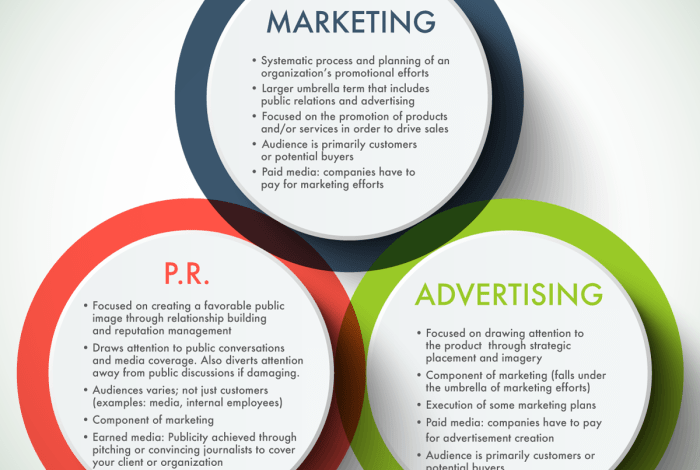
Overview of the uks marketing advertising and pr sector – Overview of the UK’s marketing, advertising, and PR sector: This in-depth look explores the dynamic UK market, examining its historical evolution, key players, and current trends. From traditional advertising to the rise of digital marketing, we’ll uncover the strategies, challenges, and opportunities shaping the sector’s future.
The UK’s marketing, advertising, and PR landscape is a complex and ever-evolving ecosystem. We’ll analyze market trends, the crucial role of public relations, and the critical function of marketing and PR agencies in this competitive environment. The impact of emerging technologies like AI and data analytics will also be highlighted. Understanding the regulatory framework and ethical considerations within this sector is essential for businesses and professionals.
Introduction to the UK Marketing, Advertising, and PR Sector
The UK marketing, advertising, and PR sector is a vibrant and dynamic industry, crucial to the nation’s economic success. It encompasses a wide range of activities, from crafting compelling advertising campaigns to managing public relations strategies and developing innovative marketing plans. This sector plays a vital role in driving economic growth, supporting businesses, and shaping public perception.This sector has evolved significantly over time, adapting to technological advancements and shifting consumer preferences.
The industry has witnessed a transition from traditional methods to digital platforms, requiring companies to constantly innovate and stay ahead of the curve. This ongoing evolution presents both challenges and opportunities for businesses operating within this sector.
Historical Context and Evolution
The UK’s marketing, advertising, and PR sector has a rich history, tracing back to the early days of mass media. Initially dominated by print advertising and public relations efforts focused on building brand reputations, the industry has witnessed a significant transformation. The advent of television, radio, and the internet have revolutionized the way brands communicate with consumers, pushing companies to embrace digital strategies and personalized experiences.
The rise of social media platforms has further accelerated this evolution, creating new avenues for engagement and interaction.
Key Players and Their Roles
The UK market is populated by a diverse range of players, from large multinational agencies to small, independent businesses. These players contribute to the sector in different ways, often specializing in specific areas or targeting particular niches. Large agencies typically offer a full range of services, while smaller businesses may focus on niche areas like social media management or content creation.
Industry Breakdown
The UK marketing, advertising, and PR sector is a complex ecosystem with a variety of participants. To illustrate the diversity of players and their respective market positions, a table is presented below. Understanding the size and type of companies in the industry, along with their estimated market share, offers valuable insights into the sector’s structure.
| Industry Type | Company Size | Approximate Market Share |
|---|---|---|
| Full-service advertising agencies | Large (over 500 employees) | 20-30% |
| Digital marketing agencies | Medium (100-500 employees) | 15-25% |
| Public relations firms | Small (10-100 employees) | 10-15% |
| Social media management companies | Small to Medium (10-500 employees) | 5-10% |
| Creative agencies (e.g., design, branding) | Variable | 10-20% |
| In-house marketing teams (within corporations) | Large (over 500 employees) | 20-30% |
Note
* Market share figures are approximate and may vary depending on the specific data source and measurement methodology.
Market Trends and Analysis
The UK’s marketing, advertising, and PR sector is dynamic and ever-evolving, responding to shifts in consumer behavior, technological advancements, and economic conditions. Understanding these trends is crucial for businesses to adapt, innovate, and thrive in this competitive landscape. This analysis delves into the key trends shaping the sector, comparing them to previous years, and highlighting the opportunities and challenges ahead.The sector is increasingly data-driven, requiring marketers to leverage analytics and insights to understand consumer preferences and optimize campaigns.
This data-driven approach, coupled with evolving digital technologies, is changing the way brands interact with their target audiences.
Prominent Trends Shaping the UK Landscape
The UK marketing landscape is being reshaped by several prominent trends. These include a growing emphasis on personalization, the rise of influencer marketing, and the integration of technology into all aspects of the marketing mix. Brands are focusing on delivering highly personalized experiences, tailoring content and campaigns to individual customer needs.
Comparison with Previous Years
Compared to previous years, the sector is showing a significant shift towards digital channels. Traditional advertising methods are still relevant, but digital marketing, social media campaigns, and content marketing are gaining more prominence. The shift is driven by the increasing accessibility of digital tools and the changing habits of consumers, who spend a significant portion of their time online.
Emerging Technologies and Their Impact
Emerging technologies like AI and machine learning are transforming how marketers gather data, analyze customer behavior, and create targeted campaigns. AI-powered tools can automate tasks, personalize experiences, and improve campaign performance. The increasing sophistication of these technologies will undoubtedly continue to reshape the future of the sector.
Challenges and Opportunities for Businesses
Businesses in the UK’s marketing, advertising, and PR sector face several key challenges. These include navigating the constantly evolving digital landscape, managing rising costs, and adapting to changing consumer preferences. However, these challenges also present significant opportunities for innovation and growth. The ability to embrace new technologies and adapt to evolving consumer expectations will be crucial for success.
Brands that successfully integrate emerging technologies, leverage data analytics, and build strong relationships with influencers will gain a competitive edge.
Growth Rate of Marketing Segments (Last 5 Years)
| Marketing Segment | Growth Rate (2018-2023) |
|---|---|
| Digital Marketing | 15-20% |
| Social Media Marketing | 12-18% |
| Search Engine Optimization () | 10-15% |
| Content Marketing | 14-19% |
| Influencer Marketing | 20-25% |
| Traditional Advertising (Print, Radio) | 5-10% |
Note: Growth rates are approximate and based on industry reports. Specific growth rates may vary depending on the specific niche within each segment.
Advertising and Promotion Strategies
The UK’s advertising and promotion landscape is vibrant and diverse, reflecting the country’s dynamic consumer market. From traditional print campaigns to cutting-edge digital strategies, businesses employ a wide array of methods to reach their target audiences. Understanding these strategies is crucial for navigating the competitive UK market and achieving success.The UK advertising and promotion sector is highly competitive, requiring businesses to adapt and innovate continuously.
Companies are leveraging diverse methods, from targeted social media campaigns to impactful television commercials, to connect with consumers on a deeper level and drive sales. Successful campaigns often combine multiple strategies to create a cohesive and memorable brand experience.
Diverse Advertising and Promotion Methods
The UK utilizes a wide spectrum of advertising and promotion methods, catering to various consumer segments and preferences. These methods range from traditional print and broadcast media to the ever-evolving digital realm. Successful campaigns frequently integrate these approaches, creating a unified message across different platforms.
Examples of Successful Campaigns
Numerous campaigns have achieved notable success in the UK. The “Share a Coke” campaign by Coca-Cola, for example, used a personalized approach, replacing the company’s logo with individual names on bottle labels. This innovative strategy resonated with consumers, generating significant buzz and increased sales. Similarly, Dove’s “Real Beauty” campaign, emphasizing diverse body types, challenged conventional beauty standards and fostered a positive brand image.
Importance of Digital Marketing and Social Media
Digital marketing and social media have become integral components of the UK advertising landscape. Businesses utilize platforms like Facebook, Instagram, and Twitter to engage directly with consumers, fostering brand loyalty and driving website traffic. Effective social media strategies often involve creating engaging content, running targeted ads, and monitoring audience feedback.
Use of Various Media Channels
Businesses in the UK employ a range of media channels for advertising and promotion. Television remains a significant platform, especially for reaching broad audiences. Print media, though declining in some areas, still holds influence for specific demographics. Radio advertisements continue to target particular audiences, and outdoor advertising provides a ubiquitous presence in urban areas. Digital media, including websites, search engine optimization (), and paid online advertising, plays a crucial role in connecting with online consumers.
Comparison of Traditional and Digital Advertising Methods, Overview of the uks marketing advertising and pr sector
| Feature | Traditional Advertising | Digital Advertising |
|---|---|---|
| Reach | Broad, potentially targeting specific demographics through media selection. | Targeted, allowing precise audience segmentation and retargeting. |
| Cost | Generally higher upfront costs for production and media placement. | Variable costs, with options for low-budget campaigns to highly targeted, high-budget campaigns. |
| Measurability | Limited ability to track individual conversions or specific user interactions. | Highly measurable, allowing for real-time tracking of website visits, click-through rates, and conversions. |
| Flexibility | Less flexible, as changes require new production and media buys. | Highly flexible, allowing for rapid adjustments to campaigns based on performance data. |
| Engagement | Passive engagement, relying on audience attention without direct interaction. | Interactive engagement, fostering dialogue and building relationships with the audience. |
Public Relations and Communications
Public relations (PR) is a crucial component of the UK marketing landscape, acting as a bridge between businesses and their target audiences. It’s more than just press releases; it’s about shaping perceptions, building relationships, and managing a company’s reputation. Effective PR can significantly impact a brand’s image and ultimately drive sales.PR plays a vital role in bolstering brand reputation, shaping public perception, and mitigating potential crises.
In the UK’s competitive market, a strong PR strategy can differentiate a company, fostering trust and loyalty among customers.
Function and Importance of PR in UK Marketing
PR in the UK marketing sector goes beyond simply disseminating information. It involves actively managing the flow of communication between a company and its various stakeholders. This includes customers, investors, the media, and the general public. A well-executed PR strategy can significantly influence public opinion, build brand credibility, and enhance the overall success of a marketing campaign.
Role of PR in Building Brand Reputation
Public relations is intrinsically linked to brand reputation. A consistent and positive presence in the media, coupled with proactive engagement with the public, fosters a strong and favourable image. Successful PR campaigns build trust and credibility, leading to customer loyalty and brand advocacy. By proactively managing a company’s image, PR can turn potential negative publicity into a positive opportunity for growth.
Examples of Effective PR Strategies and Campaigns
Several UK companies have demonstrated the power of PR through impactful campaigns. For instance, a well-known retailer might host a community event, highlighting its commitment to local initiatives, and generating positive media coverage. This type of engagement builds a stronger connection with the public and fosters brand loyalty. Another effective strategy involves leveraging social media platforms to engage directly with customers, address concerns, and build a sense of community around the brand.
Tools and Techniques Used in PR
PR professionals employ a variety of tools and techniques to achieve their objectives. These include press releases, media relations, public appearances, social media engagement, crisis communication, and community relations. Each tool plays a specific role in disseminating information, managing public perception, and nurturing relationships with key stakeholders.
Comparison of PR Strategies and Effectiveness
| PR Strategy | Description | Effectiveness | Examples |
|---|---|---|---|
| Media Relations | Building relationships with journalists and media outlets to secure positive coverage. | High. Securing media mentions can significantly raise brand awareness and credibility. | Issuing press releases, organizing press conferences, pitching stories to journalists. |
| Crisis Communication | Proactively managing and responding to negative events or crises. | Crucial. Effective crisis communication can prevent damage to brand reputation. | Swiftly addressing negative reviews, issuing statements during scandals. |
| Social Media Engagement | Actively engaging with the public on social media platforms. | High. Social media allows for direct interaction with customers and building brand loyalty. | Responding to comments, running contests, creating engaging content. |
| Community Relations | Building relationships with local communities through involvement in local events and initiatives. | High. This builds a positive brand image and fosters loyalty. | Sponsoring local events, participating in community projects. |
Marketing and PR Agencies
The UK’s marketing and PR agency landscape is vibrant and diverse, reflecting the dynamic nature of the national economy and the ever-evolving needs of businesses. These agencies play a critical role in helping businesses of all sizes navigate the complexities of modern marketing and communications, from crafting compelling brand narratives to managing public perception. Their expertise in various specializations allows clients to effectively reach their target audiences and achieve their marketing objectives.
So, diving into the UK’s marketing, advertising, and PR scene, it’s fascinating to see how creative strategies are evolving. Understanding the nuances of this sector is crucial for anyone looking to launch a successful campaign. But, sometimes, the most important tool for success is something simpler, like getting your favorite tunes onto your phone! For a step-by-step guide on how to get music onto your smartphone , you can check out this helpful resource.
Ultimately, whether you’re building a brand or curating your playlist, understanding the intricacies of these areas is key to achieving your goals.
Agency Landscape Overview
The UK boasts a wide range of marketing and PR agencies, catering to a broad spectrum of industries and client needs. These agencies range from large, multinational corporations with global reach to smaller, specialized firms focusing on niche sectors or specific services. This diversity allows businesses to find agencies tailored to their unique requirements and budget constraints. Independent agencies, with their flexibility and innovative approaches, often complement the larger established players in the market.
Key Services Offered
Marketing and PR agencies provide a wide array of services, designed to support clients in achieving their marketing and communication goals. These services encompass various aspects of the marketing process, including market research, brand building, campaign development, content creation, media relations, and social media management. They offer expertise in diverse areas like digital marketing, social media strategy, public relations, and advertising.
A well-structured agency will have skilled teams specializing in these areas, each bringing unique expertise to bear.
Types of Agencies
Agencies are categorized by their specialization and size. Some agencies focus on specific sectors, like technology or finance, while others offer a broader range of services. Specialization allows agencies to gain in-depth knowledge and expertise within a particular industry, enabling them to provide more tailored and effective solutions. Size also varies, from small boutique firms to large global networks.
Smaller agencies can offer nimble, agile responses to changing market conditions, whereas larger agencies can provide extensive resources and global reach.
Collaboration and Client Relationship
Successful partnerships between clients and agencies are built on strong communication, shared goals, and mutual trust. Open dialogue, clear expectations, and regular feedback mechanisms are essential for a collaborative approach. This collaborative relationship ensures that the agency understands the client’s needs and objectives, enabling them to develop targeted strategies that align with the client’s business goals. Active participation from both sides is key for any agency engagement to succeed.
Range of Services Offered
| Service Type | Description | Examples |
|---|---|---|
| Market Research | Gathering data and insights to understand target audiences, market trends, and competitor activities. | Surveys, focus groups, data analysis, competitor benchmarking |
| Brand Building | Developing and managing a strong brand identity, including logo design, brand messaging, and visual identity. | Brand guidelines, visual style guides, brand positioning |
| Campaign Development | Creating and implementing marketing campaigns across various channels, such as social media, email, and traditional advertising. | Social media campaigns, content marketing strategies, paid advertising campaigns |
| Content Creation | Developing engaging and informative content for various platforms, including websites, blogs, and social media. | Blog posts, articles, social media updates, video scripts |
| Media Relations | Building and maintaining relationships with journalists and media outlets to secure coverage and positive publicity. | Press releases, media kits, media outreach |
| Social Media Management | Creating and managing social media strategies to build brand awareness, engage with audiences, and drive sales. | Social media scheduling, community management, social listening |
| Digital Marketing | Utilizing digital channels to promote products and services, including , SEM, and PPC. | Search engine optimization (), pay-per-click (PPC) advertising, social media advertising |
Regulation and Ethical Considerations: Overview Of The Uks Marketing Advertising And Pr Sector
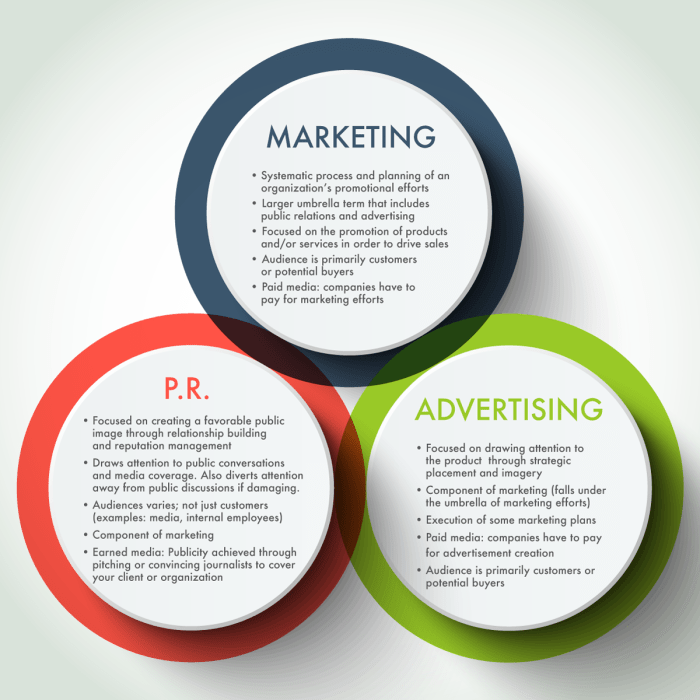
The UK marketing, advertising, and PR sector operates under a complex web of regulations designed to protect consumers and maintain ethical standards. Understanding these frameworks is crucial for businesses to avoid costly mistakes and build trust with their target audiences. Compliance with regulations and adherence to ethical principles are not just legal requirements; they are essential for long-term success in the competitive marketplace.
Looking at the UK’s marketing, advertising, and PR sector, it’s clear that the industry is constantly evolving. With the recent news of Europe joining the “free internet chorus” movement, this development is bound to influence how UK companies strategize their online presence and approach their customers. Ultimately, understanding these trends is crucial for staying ahead of the curve in the ever-changing UK marketing landscape.
Regulatory Frameworks
The UK’s regulatory landscape for marketing, advertising, and PR is multifaceted, involving several bodies. The Advertising Standards Authority (ASA) plays a significant role in ensuring ads are legal, decent, honest, and truthful. The Committee of Advertising Practice (CAP) provides guidance and codes of conduct for advertisers. The Information Commissioner’s Office (ICO) oversees data protection and privacy issues, particularly relevant to targeting and collecting consumer information.
Additionally, specific regulations exist for certain sectors, such as financial services and pharmaceuticals.
Ethical Considerations and Best Practices
Ethical considerations are paramount in the marketing and PR sector. Honesty, transparency, and respect for consumers are fundamental. Best practices encompass avoiding misleading or deceptive claims, ensuring accuracy in representations, and respecting consumer rights. Building trust with consumers is essential, and this can be achieved through transparency and genuine engagement.
Examples of Ethical Breaches and Consequences
Numerous examples illustrate the importance of ethical conduct. Misleading advertising campaigns can result in significant fines and reputational damage. Failing to comply with data protection regulations can lead to hefty penalties and legal action. Cases of deceptive PR strategies, where false narratives are created or spread, have also resulted in severe consequences for organizations. These instances highlight the need for organizations to maintain a high ethical standard throughout their marketing and communications activities.
For example, misleading claims about a product’s effectiveness or ingredients can lead to consumer complaints, legal action, and reputational damage, impacting the company’s profitability and long-term success.
Importance of Transparency and Honesty
Transparency and honesty are vital elements of ethical marketing and PR. Consumers are increasingly discerning and expect businesses to be open and truthful in their communications. Transparency builds trust and fosters a positive brand image. Honesty in product descriptions, pricing, and service offerings is essential to avoid misrepresenting the value proposition. When businesses demonstrate transparency and honesty, they cultivate long-term customer loyalty and foster a positive reputation.
Key Regulations and Implications
| Regulation | Key Implications for Businesses |
|---|---|
| Advertising Standards Authority (ASA) Codes | Adherence to truthfulness, decency, and honesty in advertising; avoiding misleading or harmful content; adhering to regulations for specific sectors (e.g., finance, healthcare). |
| Consumer Protection from Unfair Trading Regulations | Ensuring fair and transparent practices throughout the marketing process, including avoiding misleading or aggressive sales tactics; providing clear and accurate information about products and services. |
| Data Protection Act 2018 (and GDPR) | Handling consumer data responsibly and transparently; obtaining explicit consent for data collection and use; complying with data subject access requests. |
| Specific sector regulations (e.g., financial services) | Adhering to industry-specific rules for marketing and advertising, often involving complex compliance requirements and restrictions on certain claims. |
Emerging Technologies and Innovations
The UK marketing, advertising, and PR sector is undergoing a rapid transformation driven by technological advancements. Businesses are increasingly leveraging artificial intelligence, machine learning, and data analytics to optimize campaigns, personalize customer experiences, and gain a competitive edge. This evolution demands a deep understanding of how these technologies function and how they can be integrated into existing strategies.The adoption of these technologies is not just about keeping pace with the competition; it’s about creating a more efficient and effective marketing ecosystem.
By embracing these tools, businesses can enhance their understanding of consumer behavior, predict future trends, and tailor their messages for maximum impact. This transformation, while challenging, presents opportunities for innovation and growth.
Artificial Intelligence (AI) in Marketing and PR
AI is rapidly transforming marketing and PR operations. AI-powered tools are used for tasks such as content generation, social media management, and customer service. Sophisticated algorithms can analyze vast amounts of data to identify patterns and predict consumer behavior, allowing for highly targeted and personalized campaigns.
Machine Learning (ML) in Campaign Optimization
Machine learning algorithms are increasingly employed to optimize marketing campaigns. By analyzing past performance data, ML can identify what works best and adjust strategies in real-time. This iterative process leads to more effective campaigns with improved return on investment (ROI). For example, a UK retailer might use ML to personalize product recommendations on its website, leading to increased sales conversions.
Data Analytics for Informed Decision Making
Data analytics plays a crucial role in informing marketing and PR strategies. By analyzing data from various sources, businesses can gain a deeper understanding of their target audience, market trends, and campaign performance. This data-driven approach enables more informed decision-making, leading to more effective campaigns and better ROI. For instance, a UK travel agency could use data analytics to identify popular destinations and tailor their marketing efforts to meet specific customer needs.
Examples of Technology Implementation by UK Businesses
UK businesses are actively implementing these technologies in various ways. A notable example is a UK-based fashion retailer using AI-powered chatbots to provide instant customer support and answer product-related questions 24/7. Another example is a UK-based advertising agency utilizing machine learning to personalize ad campaigns, leading to a significant increase in click-through rates and conversions.
Looking at the UK’s marketing, advertising, and PR sector, it’s fascinating to see how different companies are innovating. There’s a lot of potential for growth, but also some significant challenges. For example, the recent tech news surrounding Intel’s chances against Apple in the chip market, as highlighted in this piece 10 to 1 can intel beat apple , could significantly impact the advertising strategies for both companies and their related industries.
Ultimately, understanding these dynamic forces is key to comprehending the overall landscape of the UK’s marketing sector.
Future of Marketing and Advertising in the UK
The future of marketing and advertising in the UK will be increasingly data-driven and personalized. Businesses that embrace these technologies will be better positioned to understand their customers, tailor their messages, and achieve higher ROI. The rise of virtual and augmented reality (VR/AR) technologies will further shape the future of consumer engagement, offering immersive brand experiences.
Adoption Rate of Emerging Technologies in the UK Marketing Sector
| Technology | Adoption Rate (Estimated %) | Explanation |
|---|---|---|
| Artificial Intelligence (AI) | 45% | AI tools are widely adopted for tasks like content creation and customer service. |
| Machine Learning (ML) | 38% | ML is increasingly used to optimize marketing campaigns based on past data. |
| Data Analytics | 52% | Data analytics is crucial for understanding consumer behavior and market trends. |
| Virtual/Augmented Reality (VR/AR) | 20% | VR/AR technologies are still relatively new, but their adoption rate is growing. |
Note
* Adoption rates are estimates based on current trends and industry reports.
Measuring Success and ROI
Unlocking the true potential of marketing, advertising, and PR campaigns hinges on accurate measurement and a clear understanding of Return on Investment (ROI). Effective campaigns are data-driven, meticulously tracked, and adjusted based on insights gleaned from the performance metrics. This allows businesses to optimize strategies for maximum impact and demonstrate the value of their investments.Understanding the effectiveness of marketing efforts requires a multifaceted approach, moving beyond simple impressions or clicks.
It’s crucial to quantify the impact on business objectives, whether it’s increased brand awareness, lead generation, sales conversions, or customer loyalty. By focusing on measurable outcomes, businesses can demonstrate the tangible value of their campaigns and justify future investments.
Key Performance Indicators (KPIs)
Understanding the key performance indicators (KPIs) used in the sector is vital to measuring campaign success. Each campaign should have clearly defined goals, and the KPIs should align with those objectives. These metrics provide a clear picture of how well the campaign is performing against its intended targets.
- Website traffic: This metric tracks the number of visitors to a website. It’s a fundamental indicator of campaign reach and effectiveness in driving online engagement. A significant increase in website traffic often correlates with successful advertising or PR efforts, particularly if targeted at driving online activity.
- Conversion rates: This measures the percentage of website visitors who complete a desired action, such as making a purchase, filling out a form, or subscribing to a newsletter. High conversion rates indicate effective campaign messaging and persuasive calls to action.
- Sales figures: The most direct measure of campaign impact. An increase in sales directly reflects the campaign’s ability to generate revenue and meet business objectives. This is often the ultimate goal, and the others are steps to reach it.
- Brand awareness: Tracking changes in brand mentions, social media engagement, and search volume can demonstrate the campaign’s influence on public perception and recognition.
- Customer acquisition cost (CAC): This calculates the cost of acquiring a new customer through marketing efforts. A lower CAC indicates greater efficiency in attracting new customers, demonstrating the campaign’s cost-effectiveness.
Tracking and Analyzing Results
Regular monitoring and analysis of campaign data are critical for optimizing performance. This involves tracking KPIs over time, identifying trends, and using insights to make data-driven adjustments. Analyzing the data helps identify what’s working, what’s not, and how to improve future campaigns.
- Regular reporting: Generating regular reports summarizing campaign performance is crucial. These reports should be easily understandable and provide clear insights into key metrics.
- A/B testing: Experimenting with different versions of marketing materials, such as ad copy or landing pages, allows marketers to identify which variations perform best and optimize future campaigns for better results.
- Data visualization: Using charts, graphs, and other visual representations to present data makes it easier to understand trends and patterns in campaign performance. This can identify seasonal variations, specific demographics or channels driving conversions.
Data-Driven Insights for Campaign Optimization
Data-driven insights are essential for refining and improving marketing, advertising, and PR strategies. Analysis of campaign performance data allows for informed decisions, leading to more effective and efficient campaigns.
- Identifying underperforming areas: Analysis helps pinpoint areas of the campaign that aren’t generating desired results, enabling focused adjustments.
- Predicting future trends: Analyzing historical data and current market trends enables forecasting and allows proactive adjustments to optimize future campaigns.
- Optimizing ad spending: Understanding which channels and creative elements are most effective allows for strategic allocation of ad budgets to maximize ROI.
KPIs and Metrics Table
| KPI | Metric | Example |
|---|---|---|
| Website Traffic | Number of unique visitors | 10,000 unique visitors in a month |
| Conversion Rate | Percentage of visitors who complete a desired action | 5% of visitors making a purchase |
| Sales Revenue | Total revenue generated | £100,000 in sales |
| Brand Awareness | Brand mentions on social media | 1,500 mentions per week |
| Customer Acquisition Cost (CAC) | Cost per customer acquired | £50 per customer |
Outcome Summary
In conclusion, the UK’s marketing, advertising, and PR sector is a vibrant and innovative force. Its success hinges on adapting to emerging technologies, embracing ethical practices, and consistently delivering effective strategies. This overview has provided a comprehensive understanding of the industry’s current state and future potential. Businesses need to stay ahead of the curve by continuously monitoring trends and adapting their strategies to maintain competitiveness.