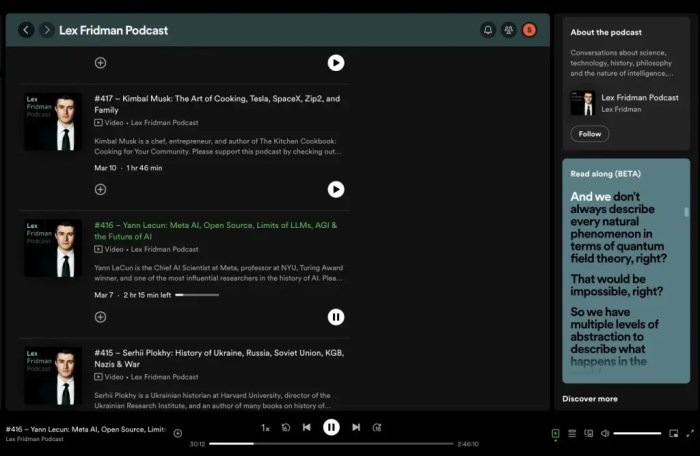
Developing a freelance career what to expect podcast transcript dives deep into the world of independent work. From understanding the diverse landscape of freelance roles and the crucial importance of an online presence, to navigating the financial realities, managing client expectations, and setting healthy boundaries, this transcript covers it all. Get ready to uncover the secrets to a successful freelance journey, complete with practical advice, insightful comparisons, and inspiring case studies.
The podcast explores the realities of freelancing, from the initial steps to establishing a successful business and managing your finances. It unpacks the typical challenges and offers actionable solutions to help you thrive in this unique work environment. Prepare to gain valuable knowledge on everything from building a strong online portfolio to mastering effective time management.
Introduction to Freelance Careers
The freelance landscape is rapidly evolving, offering a diverse range of opportunities for individuals seeking flexible work arrangements. Freelancers are no longer a niche group but a significant portion of the modern workforce, leveraging technology and online platforms to connect with clients globally. This dynamic environment requires adaptability, strong communication skills, and a proactive approach to business management.The freelance market encompasses various industries and specializations.
From graphic design and web development to writing, editing, and virtual assistance, the spectrum of freelance work is vast. This breadth of options allows individuals to leverage their existing skills or pursue new passions.
Types of Freelance Work
Freelancing is not a one-size-fits-all model. The diverse range of freelance work allows individuals to choose a niche that aligns with their skills and interests. Some popular areas include:
- Creative Industries: Graphic designers, web developers, photographers, videographers, and illustrators often work on a project-by-project basis, creating visual content for various clients.
- Writing and Editing: Writers, editors, and proofreaders offer services for articles, blog posts, books, and other written materials. Their expertise in language and communication is in high demand.
- Virtual Assistance: Virtual assistants provide administrative, technical, and organizational support to clients remotely, managing schedules, emails, and other tasks.
- Technical Services: Software developers, programmers, and IT specialists provide technical support and solutions to clients.
- Marketing and Sales: Freelancers in marketing and sales assist businesses with social media management, content creation, and lead generation.
Work-From-Home Setup
The core of a freelance career is often a work-from-home setup. This arrangement necessitates establishing a dedicated workspace and maintaining a professional environment. This often includes:
- Dedicated Workspace: Creating a designated area for work helps separate work and personal life, fostering focus and productivity. This space should be comfortable, well-lit, and equipped with necessary tools.
- Reliable Technology: High-speed internet, a reliable computer, and necessary software are essential components for efficient remote work. Backup systems and security measures are also crucial.
- Time Management Strategies: Freelancers need to be adept at time management to balance work demands with personal responsibilities. Utilizing time management tools and techniques is crucial.
Challenges of Freelance Work
Freelancing, while flexible, presents specific challenges. These include:
- Income Instability: Income levels can fluctuate depending on project availability and client demands. Managing finances and cash flow requires careful planning and budgeting.
- Maintaining Work-Life Balance: The blurred lines between work and personal life can be challenging. Establishing clear boundaries and dedicated work hours is essential.
- Finding Clients and Managing Projects: Freelancers need to actively market their services and manage client expectations effectively. Effective networking and project management skills are crucial.
- Self-Discipline and Motivation: Freelancers are responsible for their own schedules and motivation. Developing self-discipline and maintaining a consistent work ethic is vital.
Importance of Online Presence
A strong online presence is vital for freelancers. This includes:
- Professional Portfolio: A well-designed online portfolio showcasing past projects and work samples is crucial for attracting potential clients. This demonstrates skills and experience.
- Professional Networking: Connecting with potential clients and collaborators through professional networking platforms builds relationships and opens doors to new opportunities.
- Online Marketing Strategies: Implementing online marketing strategies to reach potential clients is vital for visibility and exposure.
Expectations and Reality
Embarking on a freelance career is an exciting journey, but it’s crucial to understand the realities beyond the allure. This section dives into the typical salary expectations, benefits, and challenges, providing a realistic perspective on what to anticipate. From client communication to time management, we’ll explore the nuances of this independent path.
Salary Ranges in Freelance Roles
Freelance salaries vary significantly based on the field, experience level, and client demand. A graphic designer with several years of experience might command higher rates than a junior writer just starting out. General ranges for common freelance fields include web development (USD 40-80 per hour), writing (USD 20-50 per hour), and graphic design (USD 30-75 per hour). However, these are just estimates, and rates can fluctuate depending on the project’s complexity, deliverables, and client’s budget.
Benefits of Freelance Work
Freelancing offers numerous advantages over traditional employment. Flexibility is paramount, allowing you to dictate your own schedule and work from anywhere with an internet connection. This often translates to a better work-life balance, allowing you to pursue personal interests and commitments alongside your professional endeavors. Furthermore, you gain control over your income potential, earning more or less based on the scope of your projects.
This allows for greater control over your earning potential and project choices.
Client Communication Protocols
Clear and consistent communication is essential for successful freelance projects. A professional approach, including clear project proposals and regular updates, builds trust and ensures everyone is on the same page. Maintaining open communication channels, using project management tools, and adhering to agreed-upon deadlines are crucial components of effective client communication.
Setting Project Boundaries
Defining clear project boundaries, outlining deliverables, timelines, and payment terms upfront is vital. This avoids misunderstandings and potential conflicts later on. It also safeguards your time and resources, preventing scope creep and ensuring your efforts are properly compensated. Creating well-defined contracts, and clearly communicating expectations from the beginning is crucial.
Proactive Time Management
Freelancing necessitates excellent time management skills. You’re responsible for planning your schedule, prioritizing tasks, and adhering to deadlines. Efficient time management prevents delays, maintains productivity, and ensures projects are completed on time and to the highest standards. Employing tools such as calendars, task management apps, and setting realistic deadlines is vital for successful time management.
Freelance vs. Traditional Employment
| Responsibilities | Benefits | Challenges | Outlook | |
|---|---|---|---|---|
| Freelance | Defining your own schedule, managing projects, marketing yourself, and seeking new clients. | Flexibility, control over income, work-life balance, and the ability to work remotely. | Inconsistent income, managing administrative tasks, finding clients, and handling financial aspects. | Dynamic and adaptable, requiring continuous learning and networking. |
| Traditional Employment | Following company guidelines, working set hours, and reporting to supervisors. | Guaranteed income, benefits (health insurance, paid time off), structured career paths, and company support. | Limited flexibility, less control over income, and potential for work-life imbalance. | Stable and predictable, but requiring adherence to company policies. |
Building a Freelance Business: Developing A Freelance Career What To Expect Podcast Transcript

Turning your passion into a profitable freelance career requires careful planning and execution. It’s not just about finding clients; it’s about establishing a sustainable business model that caters to your skills and your desired lifestyle. This involves understanding the crucial steps to launch your freelance enterprise and nurturing it to success.
Starting a Freelance Business
Launching a freelance business involves several key steps. First, thoroughly research your target market and identify your niche. This helps you understand the specific skills and services that are in demand. Second, create a business plan that Artikels your goals, strategies, and financial projections. A robust business plan is your roadmap to success, providing clear direction and enabling you to measure your progress.
Importance of a Strong Business Plan
A comprehensive business plan is essential for any freelance venture. It serves as a blueprint, guiding your decisions and outlining your financial needs. A well-structured plan details your services, target market, marketing strategies, and financial projections. It also helps you secure funding or attract investors if needed. A detailed business plan allows you to measure your progress and make necessary adjustments.
This crucial document allows you to understand your strengths and weaknesses, paving the way for successful decision-making.
Building a Professional Online Portfolio
A professional online portfolio is your digital storefront, showcasing your skills and expertise. It’s a crucial tool for attracting clients and demonstrating your capabilities. Ensure your portfolio is visually appealing, easy to navigate, and highlights your best work. Showcase your projects, including case studies, client testimonials, and relevant projects. A portfolio that tells a story about your work is more engaging and memorable for potential clients.
Marketing Strategies for Freelancers
Effective marketing is key to attracting clients and building your freelance brand. Utilize various platforms to promote your services, including social media marketing, content marketing, and online advertising. Create a compelling brand identity that reflects your expertise and values. This will set you apart from competitors and attract potential clients.
Essential Tools and Software for Freelance Work
Several tools and software are crucial for streamlining freelance work. Project management software, like Trello or Asana, helps you organize tasks, deadlines, and collaborations. Communication tools, such as Slack or Zoom, facilitate seamless communication with clients and colleagues. High-quality editing software, such as Adobe Photoshop or Canva, enhances the quality of your deliverables. Using the right tools can boost productivity and improve your overall workflow.
Common Freelance Platforms and Marketplaces
Numerous freelance platforms and marketplaces connect freelancers with clients seeking their services. These platforms provide a centralized hub for finding projects and building your online presence. They offer a streamlined process for finding work, managing projects, and receiving payments. These platforms play a crucial role in expanding your network and reaching a broader audience.
Freelance Platforms and Marketplaces
| Platform | Features | Target Audience |
|---|---|---|
| Upwork | Extensive job postings, client reviews, project management tools. | Freelancers of various skills, from writers and designers to developers and marketers. |
| Fiverr | Gig-based platform with a wide variety of services. | Freelancers offering creative services, marketing, and design work. |
| Guru | Focus on technical skills; project management features. | Freelancers with technical skills like software development, web design, and IT. |
| PeoplePerHour | International freelance marketplace; flexible payment options. | Freelancers looking for global opportunities, particularly those seeking remote work. |
Essential Skills and Knowledge
Freelancing isn’t just about finding clients; it’s about building a sustainable and successful business. Beyond technical skills, a freelancer needs a strong foundation in communication, project management, and understanding the business aspects of their work. This crucial knowledge base empowers freelancers to navigate the challenges and thrive in the freelance marketplace.
Critical Skills for Freelance Success
Freelancing demands a unique set of skills beyond those needed in a traditional job. These skills are essential for managing projects, clients, and your own time effectively. Strong communication, both written and verbal, is paramount for building rapport with clients and ensuring clear expectations are set. Project management skills help freelancers organize tasks, meet deadlines, and stay on track.
Adaptability is key in the ever-changing freelance world, allowing freelancers to adjust to new situations and client demands with grace and efficiency.
Importance of Communication and Client Management
Effective communication is the lifeblood of any successful freelance relationship. Clear communication channels, timely responses, and proactive updates build trust and maintain client satisfaction. A freelancer must also develop strong client management skills, including actively listening to client needs, setting realistic expectations, and managing potential conflicts. Proactive communication helps anticipate and address potential problems before they escalate.
The Role of Networking in Freelance Work
Networking is crucial for any freelancer. Building relationships with other freelancers, potential clients, and industry professionals opens doors to new opportunities and collaborations. Attending industry events, joining online communities, and participating in relevant forums can foster connections that lead to referrals and future projects. Networking can also provide valuable feedback and support as you navigate the freelance landscape.
Continuous Learning in the Freelance Field
The freelance landscape is constantly evolving. Staying updated with industry trends, new technologies, and evolving client needs is vital for maintaining competitiveness. Continuous learning through online courses, workshops, and industry publications allows freelancers to adapt and grow their skillset, ensuring they remain relevant and valuable in the market. This includes keeping abreast of new software, tools, and methodologies.
Effective Project Management Tools for Freelancers
Efficient project management is essential for freelancers. Using tools like Trello, Asana, or Monday.com can help organize tasks, set deadlines, and track progress. These platforms provide a centralized workspace for managing projects, enabling clear communication between the freelancer and the client, and ensuring tasks are completed on time and to the client’s satisfaction. Choosing the right tool depends on the specific needs of the project.
Legal and Financial Literacy in Freelancing
Freelancing involves legal and financial responsibilities. Understanding contracts, taxes, and financial management is crucial for running a successful and compliant business. This includes setting up proper invoicing systems, correctly tracking income and expenses, and understanding tax obligations specific to freelancing. Accurate record-keeping is essential for compliance and financial stability.
Strategies for Handling Client Conflicts
Client conflicts are inevitable in freelancing. Developing strategies to address these conflicts professionally and effectively is essential. This involves proactive communication, active listening, and a willingness to find mutually agreeable solutions. Using a clear and well-defined process for resolving conflicts can help maintain client relationships and prevent issues from escalating.
Setting Up a Professional Invoice System
A professional invoice system is critical for freelancers. This involves creating clear and detailed invoices, including project details, payment terms, and contact information. Using invoicing software can automate the process, streamline payments, and ensure accurate record-keeping. A professional invoice system fosters trust and transparency with clients.
Managing Finances and Taxes
Freelancing offers exciting opportunities, but managing finances and taxes can feel daunting. A solid financial strategy is crucial for long-term success. Understanding how to track income, expenses, and taxes empowers you to avoid pitfalls and maximize your earnings. This section will equip you with the tools and knowledge to navigate the financial landscape of freelancing.Proper record-keeping is essential for accurate tax reporting and financial planning.
Maintaining detailed records of all income and expenses ensures you meet your tax obligations and understand your financial health. This meticulous approach is vital for freelancers, as it helps to identify potential areas for improvement and ensures that you are making sound financial decisions.
I’ve been diving deep into the “developing a freelance career what to expect” podcast transcript lately, and it’s fascinating to see the insights it offers. It’s great to learn about the practicalities of going freelance, but sometimes you need a broader perspective. For example, did you know that twindex tracks pols twitter temperatures , offering a glimpse into the pulse of public opinion?
Ultimately, understanding the trends and the nuances of the market is key, and this podcast transcript provides a solid foundation for navigating the freelance world.
Tracking Freelance Income and Expenses
Maintaining a detailed record of your income and expenses is paramount. This involves recording every payment received and every expense incurred, regardless of its size. Use a dedicated spreadsheet or accounting software to categorize and track your transactions. This system ensures you have a clear picture of your financial performance and helps you spot patterns and trends.
For example, if you notice a significant portion of your expenses are related to marketing, you can adjust your strategy to optimize costs. Regular review of these records helps you adjust your financial plan accordingly.
Importance of Proper Record-Keeping, Developing a freelance career what to expect podcast transcript
Accurate record-keeping is critical for accurate tax reporting and financial planning. It provides a detailed history of your income and expenses, allowing for better financial decision-making. This meticulous approach enables you to identify patterns and trends in your financial activities, making informed decisions about future projects and investments. Furthermore, having comprehensive records can help you secure loans or attract investors if needed.
It’s a safeguard against potential errors and disputes, and a vital tool for long-term financial success.
Calculating Freelance Taxes
Calculating freelance taxes requires careful attention to various deductions and credits. Understanding the different tax obligations is key to ensuring accurate reporting. Freelancers often pay self-employment taxes, which include Social Security and Medicare taxes. These taxes are typically calculated as a percentage of your net earnings. Remember to consult with a tax professional or use tax software to ensure accuracy.
This is crucial to avoid potential penalties and ensure compliance with tax regulations.
Strategies for Managing Freelance Finances
Effective financial management is crucial for success as a freelancer. Strategies should focus on building financial security and long-term financial well-being. One strategy is budgeting, allocating funds for specific expenses and income. Another key strategy is creating an emergency fund, safeguarding against unexpected events. Having a contingency plan is also crucial for freelancers.
Having a solid financial plan can help you stay organized and make informed decisions about your financial future.
Just finished listening to the “Developing a Freelance Career: What to Expect” podcast transcript, and it got me thinking about corporate structures. Companies like Dell going private, as discussed in this insightful article on whether Apple should follow suit dell goes private should apple follow , raises interesting questions about the future of work and flexibility. Ultimately, though, the podcast’s advice on navigating the freelance world still feels very relevant and practical for anyone considering that path.
Income Sources and Expense Categories
| Income Sources | Expense Categories |
|---|---|
| Client Payments | Software Subscriptions |
| Project Fees | Marketing Materials |
| Consulting Fees | Travel Expenses |
| Gigs/Freelance Platforms | Office Supplies |
| Interest Income | Professional Development |
| Other Revenue | Legal/Accounting Fees |
This table provides a basic framework. You’ll need to customize it based on your specific income streams and expenses. Adapting this framework to your needs will ensure that your financial record-keeping is comprehensive and effective.
Essential Resources for Freelance Financial Management
Several resources can aid freelancers in managing their finances effectively. These include online accounting software (e.g., QuickBooks Self-Employed, Xero), tax software (e.g., TurboTax, H&R Block), and financial planning tools. Online communities and forums dedicated to freelancers also provide valuable insights and support. Utilizing these resources ensures you’re equipped with the tools and information needed to navigate the financial complexities of freelancing.
Step-by-Step Guide for Filing Freelance Taxes
A step-by-step guide to filing freelance taxes will help you navigate the process effectively.
- Gather all necessary documents: This includes income statements, expense records, and tax forms.
- Determine your tax liability: Calculate your total income, deductions, and credits to determine the amount of tax you owe.
- File your tax return: Use tax software or consult a tax professional to file your return accurately.
- Keep records: Maintain all relevant documents for at least three years.
Following these steps will help you file your taxes accurately and avoid potential penalties.
Overcoming Challenges and Maintaining Work-Life Balance
Freelancing offers incredible flexibility and autonomy, but it also presents unique challenges. Maintaining a healthy work-life balance is crucial for long-term success and well-being. This section explores strategies for navigating burnout, prioritizing tasks, and setting healthy boundaries, all essential elements for sustainable freelancing.Successfully navigating the freelance world requires proactive strategies for self-care and boundary setting. Understanding the potential pitfalls and developing effective solutions is paramount to achieving both professional fulfillment and personal well-being.
Handling Burnout in Freelancing
Burnout is a common concern for freelancers. The constant pressure to deliver high-quality work, manage multiple clients, and juggle personal commitments can lead to emotional and physical exhaustion. Recognizing the signs of burnout, like decreased motivation, difficulty concentrating, and increased irritability, is the first step in preventing it. Implementing proactive strategies like taking regular breaks, scheduling downtime, and seeking support from fellow freelancers or mentors can be beneficial.
Importance of Self-Care in a Freelance Career
Self-care is not a luxury but a necessity for freelancers. It involves attending to your physical, emotional, and mental well-being. This includes activities like exercise, healthy eating, sufficient sleep, and engaging in hobbies. Prioritizing self-care replenishes your energy levels, enhances creativity, and improves your overall resilience to stress. Regular self-reflection and mindfulness practices can also contribute to a healthier perspective on work and personal life.
Common Pitfalls and How to Avoid Them
Common pitfalls for freelancers include neglecting boundaries, overcommitting, and failing to manage finances effectively. Overcommitting to projects without considering your capacity can lead to burnout and poor quality of work. Setting clear project scopes and deadlines, and politely declining tasks that exceed your capabilities, are essential for preventing this. Poor financial management can also create unnecessary stress.
Creating a detailed budget, tracking income and expenses, and establishing a savings plan can help mitigate financial concerns.
Setting Healthy Boundaries with Clients
Effective communication is crucial for establishing and maintaining healthy boundaries with clients. Clearly defining project scope, timelines, and payment terms upfront can prevent misunderstandings and potential conflicts. Learning to say no to unrealistic requests or deadlines is equally important. Setting clear communication channels and response times can help ensure efficient collaboration without compromising your personal time.
Prioritizing Tasks Effectively
Prioritizing tasks is a critical skill for freelancers. Using tools like task management software, time-blocking techniques, and the Eisenhower Matrix (urgent/important) can help organize work effectively. Breaking down large projects into smaller, manageable tasks makes the workload less overwhelming and allows for better focus and time management.
Just finished listening to the “Developing a Freelance Career: What to Expect” podcast transcript, and it’s really insightful. While I’m focused on my freelance journey, I can’t help but notice how the recent Oracle Java headaches are affecting the tech landscape, especially in the freelance world. The complexities, as detailed in this article about oracles java headache worsens , highlight the importance of staying adaptable and constantly learning new skills in this ever-changing environment.
Hopefully, the podcast transcript will offer more practical advice to navigate these challenges.
Strategies for Handling Challenges
| Challenges | Solutions |
|---|---|
| Overcommitment | Establish clear project scope and deadlines; politely decline tasks exceeding capacity. |
| Burnout | Regular breaks, scheduling downtime, seeking support from fellow freelancers or mentors. |
| Time Management Issues | Using task management software, time-blocking techniques, and prioritizing tasks effectively. |
| Financial Stress | Detailed budget, tracking income and expenses, establishing a savings plan. |
| Maintaining Work-Life Balance | Prioritizing self-care, setting healthy boundaries with clients, and establishing clear work-life separation. |
Resources for Freelance Work-Life Balance
- Online Communities: Joining online communities of freelancers can provide support, share experiences, and learn from others’ successes and challenges. Forums, groups, and social media platforms dedicated to freelancing can be valuable resources.
- Time Management Books: Reading books on time management can offer practical strategies for optimizing productivity and reducing stress. This includes techniques like the Pomodoro Technique and time-blocking.
- Mental Health Resources: Accessing mental health resources like counseling services or online support groups can be beneficial for addressing stress and maintaining emotional well-being. These resources can provide guidance on managing stress, anxiety, and other mental health concerns.
Case Studies and Examples
Real-world examples illuminate the potential and challenges of freelancing. Understanding how successful freelancers navigate their businesses, manage clients, and maintain work-life balance provides invaluable insights for aspiring freelancers. Analyzing their strategies, successes, and setbacks can help you avoid common pitfalls and build a thriving freelance career.
Successful Freelance Businesses
Numerous successful freelance businesses demonstrate the viability and profitability of this career path. These businesses often specialize in a particular niche, such as web design, writing, or graphic design, and leverage their expertise to attract clients and build a strong reputation.
Strategies Used by Successful Businesses
Several key strategies contribute to the success of freelance businesses. Effective marketing and networking are essential for attracting clients. Building a strong online presence, showcasing expertise, and maintaining consistent communication with clients are crucial for fostering long-term relationships. Developing specialized skills and staying updated on industry trends allows freelancers to provide high-quality services and cater to evolving client demands.
Challenges Faced and How They Were Overcome
Freelancers often face challenges such as inconsistent income, managing multiple clients, and maintaining a healthy work-life balance. Successful freelancers address these issues by developing robust project management systems, establishing clear communication channels with clients, and prioritizing self-care. Diversifying income streams and building a portfolio of high-quality projects are crucial for mitigating income volatility. Developing a strong personal brand can attract higher-paying clients and improve job security.
Comparison of Freelance Businesses
| Business Type | Services Offered | Target Audience | Success Strategies |
|---|---|---|---|
| Web Design Agency | Website design, development, and maintenance | Small businesses, startups, and entrepreneurs | Building a strong portfolio, specializing in a specific niche, and actively marketing services through social media and online platforms. |
| Content Marketing Agency | Blog post writing, social media management, and optimization | Businesses seeking to enhance their online presence and attract more customers | Developing specialized expertise in a specific industry, building relationships with influencers, and offering value-driven content. |
| Graphic Design Studio | Logo design, branding, and marketing materials | Businesses and individuals needing visual branding and marketing collateral | Focusing on visual aesthetics, creating a strong brand identity, and emphasizing the value of unique design solutions. |
Real-World Freelance Project Examples
A freelance writer might be tasked with creating a series of blog posts for a marketing agency. This involves research, writing, and editing. A project manager, on the other hand, could be hired to organize and manage multiple concurrent projects, coordinating with different teams and clients. The key is clear communication, project documentation, and adherence to deadlines.
“Effective project management is crucial for freelancers. A well-defined project scope, clear communication channels, and a detailed timeline can significantly reduce project delays and ensure client satisfaction.”
Epilogue
In conclusion, developing a freelance career is a multifaceted journey that demands preparation, proactive strategies, and a willingness to adapt. This podcast transcript provides a comprehensive guide, equipping you with the necessary knowledge and insights to confidently navigate the freelance world. From setting expectations to managing finances and maintaining a healthy work-life balance, the discussed strategies provide a roadmap for success.
The key takeaways highlight the importance of building a strong online presence, effectively communicating with clients, and understanding the financial aspects of independent work.