
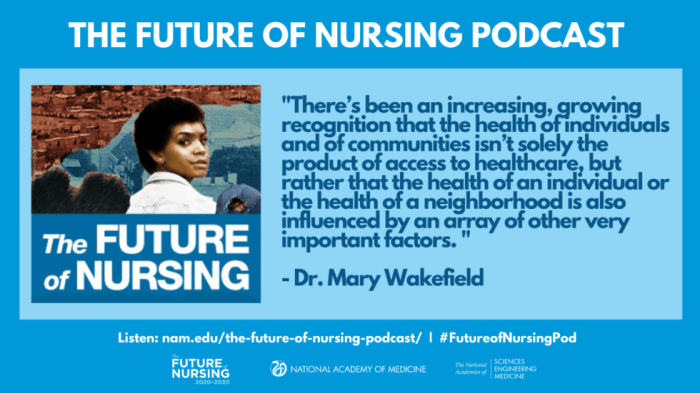
Healthcare leadership shaping the future of medicine podcast transcript explores how innovative leadership is crucial for navigating the evolving healthcare landscape. The podcast delves into key strategies for fostering collaboration, communication, and innovation within healthcare settings, highlighting the importance of patient-centered care in the face of emerging medical technologies. It examines the challenges and opportunities of the future of medicine, emphasizing the critical role of healthcare professionals in shaping this transformation.
This transcript provides a detailed overview of the podcast’s key themes, including the podcast’s vision of the future of medicine, leadership strategies for healthcare professionals, and the crucial role of patient-centered care. The discussion includes a comprehensive analysis of emerging trends, ethical considerations, and the anticipated impact of technological advancements on patient care.
Leadership Strategies

Healthcare leadership is crucial in shaping the future of medicine. Effective leaders inspire innovation, foster collaboration, and navigate the complex landscape of healthcare delivery. This requires a nuanced understanding of various leadership styles, the critical role of technology, and the importance of clear communication. The podcast explored these key aspects, highlighting strategies that promote a positive and productive work environment.
Key Leadership Strategies Discussed
The podcast underscored several essential leadership strategies. These include fostering a culture of collaboration, promoting transparency in decision-making, and empowering healthcare professionals. These strategies are not just theoretical concepts but practical approaches that can significantly impact patient care and staff morale. The podcast stressed the importance of adaptability and responsiveness to change within the healthcare system.
The healthcare leadership shaping the future of medicine podcast transcript is fascinating, especially when you consider how much of modern healthcare relies on virtual systems. These systems, while incredibly helpful, open up vulnerabilities, like those discussed in articles on virtual systems real security holes. Understanding these potential weaknesses is crucial for future-proofing healthcare strategies, as highlighted in the podcast transcript.
- Transformational Leadership: This approach inspires and motivates team members to achieve extraordinary results by appealing to their values and creating a shared vision. This involves clear communication of the organization’s goals, and encouragement of creativity and problem-solving. Leaders acting in this capacity provide guidance and support to team members as they pursue their goals.
- Servant Leadership: This style emphasizes putting the needs of the team and patients first. Leaders adopting this approach focus on empowering others, actively listening to their concerns, and providing resources and support. The podcast stressed how this style fosters a collaborative and supportive environment.
- Situational Leadership: Recognizing that effective leadership depends on the specific context and individuals involved, this style involves adjusting one’s approach based on the situation. The podcast highlighted the importance of recognizing the varying levels of experience and skills within a team and adapting communication and guidance accordingly.
Methods for Fostering Collaboration
Collaboration is paramount in healthcare. The podcast emphasized strategies that facilitate communication and information sharing among various healthcare professionals. Effective collaboration results in improved patient outcomes and a more positive work environment.
- Interprofessional Communication: The podcast emphasized the importance of establishing clear communication channels and protocols across different healthcare disciplines. This ensures that information flows smoothly between doctors, nurses, therapists, and other specialists, leading to coordinated patient care.
- Shared Decision-Making: The podcast underscored the value of involving healthcare professionals in decision-making processes. This approach empowers team members, promotes a sense of ownership, and often leads to better outcomes.
- Regular Team Meetings: The podcast highlighted the significance of regular team meetings to discuss patient cases, challenges, and successes. These meetings facilitate knowledge sharing and collaboration, allowing for continuous improvement in patient care.
Effective Communication Techniques
Clear and concise communication is crucial in healthcare. The podcast highlighted techniques that promote understanding and collaboration among professionals. These techniques are essential for navigating complex situations and ensuring patient safety.
- Active Listening: The podcast stressed the importance of actively listening to understand the concerns and perspectives of others. This includes demonstrating empathy and acknowledging the speaker’s viewpoint.
- Empathy and Compassion: The podcast highlighted the need for healthcare professionals to approach interactions with empathy and compassion. This helps create a supportive environment where concerns can be voiced openly.
- Clear and Concise Language: The podcast emphasized using clear and precise language to avoid misunderstandings. This is particularly crucial in situations where patient safety is paramount.
Innovation in Healthcare
The podcast illustrated the vital role of innovation in healthcare. The importance of embracing new technologies, approaches, and treatments was highlighted. Innovation is not just about technology but also about processes and workflows that improve efficiency and patient care.
Different Leadership Styles
The podcast compared and contrasted different leadership styles. The importance of choosing the most appropriate style for the situation was stressed. This adaptability is essential for navigating the diverse needs of healthcare professionals and patients.
Technology’s Role in Healthcare Leadership
The podcast discussed how technology is transforming healthcare leadership. The ability to access and analyze data, communicate efficiently, and monitor patient outcomes are greatly enhanced by technology. This facilitates the development of data-driven strategies and improves decision-making.
Leadership Strategy Pros and Cons
| Leadership Strategy | Pros | Cons |
|---|---|---|
| Transformational Leadership | Increased motivation, innovation, and commitment. | Potential for unrealistic expectations, overreliance on the leader, and burnout. |
| Servant Leadership | Stronger team cohesion, increased employee satisfaction, and better patient care. | Potential for slow decision-making processes, difficulty in addressing conflicts, and potential for taking on too much responsibility. |
| Situational Leadership | Adaptable to different team dynamics, flexible in response to changes. | May appear inconsistent to those not accustomed to the style, can be challenging to manage in dynamic environments. |
Future of Medicine
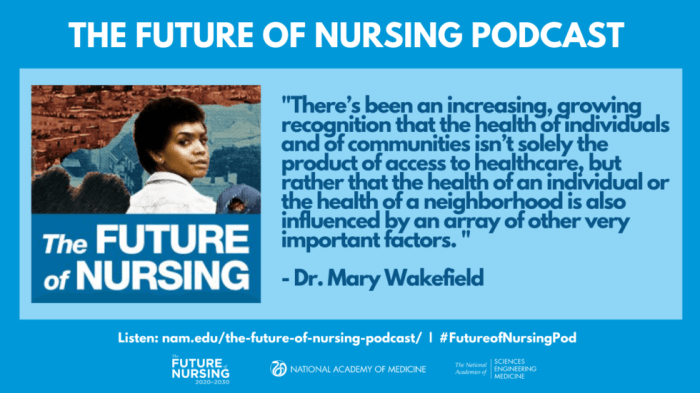
The future of medicine is not just about technological advancements; it’s about a fundamental shift in how we approach healthcare, emphasizing preventative care, personalized treatments, and proactive patient engagement. This podcast explores the evolving landscape, highlighting the transformative potential of emerging technologies and the crucial role of healthcare professionals in navigating the challenges and opportunities ahead.
I’ve been diving deep into the “Healthcare Leadership Shaping the Future of Medicine” podcast transcript lately, and it’s fascinating to see the different perspectives on innovation. However, the recent news about Google axing their health service due to a lack of user engagement ( google axes health service due to feeble response ) makes me question the practical application of some of these forward-thinking ideas.
Ultimately, though, the podcast transcript’s insights still offer valuable context for understanding the complexities of future healthcare.
Emerging Trends and Technologies, Healthcare leadership shaping the future of medicine podcast transcript
The future of medicine is being shaped by a confluence of emerging technologies. These innovations are revolutionizing diagnosis, treatment, and patient care, promising more accurate diagnoses, personalized therapies, and improved outcomes. Examples of these trends include:
- Artificial Intelligence (AI): AI is rapidly transforming medical imaging, drug discovery, and patient monitoring. AI algorithms can analyze vast amounts of medical data to identify patterns and predict disease risks, enabling earlier interventions and more effective treatments. For example, AI-powered tools are now used to detect subtle anomalies in medical images, potentially leading to earlier cancer diagnoses.
- Precision Medicine: This approach tailors treatments to individual patients based on their genetic makeup, lifestyle, and environmental factors. By understanding a patient’s unique biological profile, precision medicine can optimize treatment plans and minimize adverse effects. For example, personalized cancer therapies are becoming increasingly common, leading to improved outcomes for certain types of cancer.
- Telemedicine: The use of technology to provide remote healthcare services is expanding rapidly. Telemedicine facilitates access to specialists, reduces travel time and costs for patients, and improves convenience and efficiency for healthcare providers. Examples include remote monitoring of chronic conditions and virtual consultations with specialists.
- 3D Printing: 3D printing is enabling the creation of customized medical devices, implants, and prosthetics. This technology can significantly improve patient outcomes by providing personalized solutions for specific needs and conditions.
Challenges and Opportunities
The transition to this future healthcare landscape presents both challenges and opportunities. Navigating these changes requires a comprehensive understanding of the implications of these advancements. The key challenges and opportunities include:
- Data Security and Privacy: The increasing reliance on electronic health records (EHRs) and data-driven approaches necessitates robust data security measures to protect patient privacy. Addressing these concerns will be paramount to maintaining trust and ensuring patient safety.
- Ethical Considerations: Advancements in genetics and AI raise ethical concerns regarding access, equity, and the potential for bias in algorithms. These considerations need to be addressed proactively to ensure equitable and ethical application of these technologies.
- Workforce Development: Healthcare professionals need to adapt to new technologies and roles. Continuing education and training programs are essential to equip healthcare providers with the skills needed to effectively integrate these technologies into their practice.
- Cost and Accessibility: The high cost of implementing and maintaining new technologies must be carefully considered to ensure equitable access to these advancements.
Future Role of Healthcare Professionals
Healthcare professionals will play a crucial role in guiding and implementing these innovations. They will need to embrace new skills and responsibilities, collaborating with technology to enhance patient care and decision-making. This evolving role will require:
- Data Interpretation and Analysis: Healthcare professionals will need to be proficient in interpreting data generated by AI and other technologies to make informed decisions.
- Patient Communication and Education: Effectively communicating complex medical information to patients is paramount, especially as technologies become more integrated into care.
- Ethical Reasoning and Decision-Making: Healthcare professionals must navigate the ethical dilemmas arising from technological advancements.
Ethical Considerations
The future of medicine necessitates a strong ethical framework to ensure responsible use of these technologies. Key considerations include:
- Equity and Access: Ensuring equitable access to innovative treatments and technologies is crucial to prevent exacerbating existing health disparities.
- Bias in Algorithms: Addressing potential biases in AI algorithms is essential to prevent discrimination and ensure fair and unbiased outcomes.
- Patient Autonomy and Consent: Respecting patient autonomy and obtaining informed consent for the use of advanced technologies is crucial.
Impact of Technological Advancements on Patient Care
Technological advancements will significantly impact patient care, leading to:
- Improved Diagnostics: Earlier and more accurate diagnoses will be possible, leading to more timely interventions and better outcomes.
- Personalized Treatments: Tailored therapies will result in improved efficacy and reduced side effects.
- Enhanced Access to Care: Telemedicine and remote monitoring will increase access to healthcare, particularly in underserved communities.
Current vs. Future Healthcare Landscape
| Feature | Current Healthcare Landscape | Future Healthcare Landscape |
|---|---|---|
| Diagnosis | Based on traditional methods, often with delays | Rapid, accurate, and personalized using AI and advanced imaging |
| Treatment | Standardized protocols | Personalized and targeted therapies based on individual patient profiles |
| Access to Care | Limited in some areas, often requiring travel | Expanded access through telemedicine and remote monitoring |
| Data Management | Limited use of electronic data | Extensive use of data for research, analysis, and personalized medicine |
Patient-Centered Care
The future of medicine hinges on a fundamental shift towards patient-centered care. This approach recognizes the patient as the central figure in their own health journey, emphasizing their needs, preferences, and values. A truly patient-centered model requires healthcare providers to move beyond a transactional relationship to one built on trust, empathy, and shared decision-making. Our podcast, “Leadership Strategies, Future of Medicine,” explores this crucial paradigm shift, examining innovative strategies for improving patient experience and empowering patients to actively participate in their care.
Communication Strategies for Enhanced Patient Experience
Effective communication is paramount in fostering a patient-centered environment. The podcast highlights the importance of clear, concise, and culturally sensitive communication between healthcare providers and patients. This includes active listening, addressing patient concerns, and ensuring patients understand their treatment options and potential outcomes. Active listening, empathy, and shared decision-making are critical components in building trust and improving patient satisfaction.
I’ve been diving deep into the “Healthcare Leadership Shaping the Future of Medicine” podcast transcript lately, and it’s fascinating how the future of healthcare is being discussed. The way technology is impacting patient care is a key theme, and it’s clear that mobile platforms are becoming increasingly important. This is further highlighted by articles like facebook gives mobile the platform treatment , which explores how Facebook is leveraging mobile for healthcare access.
Ultimately, the podcast’s insights on future trends in healthcare leadership are even more compelling in light of these developments.
Access to Care and Resources
Improving access to care is a key element of patient-centered care. The podcast discusses strategies for reducing barriers to access, such as geographical limitations, financial constraints, and language barriers. These strategies include telehealth platforms, mobile health applications, and community health centers. These initiatives ensure equitable access to quality care, regardless of location or socioeconomic status.
Technology’s Role in Patient Empowerment
Technological advancements play a significant role in enhancing patient engagement and empowerment. The podcast explores how technology can facilitate remote monitoring, personalized treatment plans, and secure access to medical records. This technology-driven approach allows patients to actively participate in their health management and fosters a more proactive and collaborative relationship with healthcare providers. For example, wearable devices that track vital signs and mobile apps that provide personalized health advice are increasingly integrated into patient-centered care models.
Patient Empowerment and Personalized Medicine
Patient empowerment is crucial in a patient-centered approach. The podcast emphasizes the importance of educating patients about their conditions, treatment options, and potential risks. This empowers them to make informed decisions and actively participate in their care. Personalized medicine, which tailors treatment plans to individual patient characteristics, is also highlighted as a key aspect of patient-centered care.
By considering individual genetic predispositions, lifestyle factors, and medical history, healthcare providers can create more effective and targeted treatment strategies.
Examples of Patient-Centered Initiatives
The podcast features examples of patient-centered initiatives from various healthcare settings. These include programs that encourage patient feedback, provide online patient portals, and implement shared decision-making tools. These initiatives demonstrate how a shift toward patient-centered care can improve patient outcomes, satisfaction, and overall health experience. For example, one initiative discussed might involve using patient feedback to redesign waiting areas, improving patient flow, and reducing wait times.
Patient-Centered Care Strategies: A Summary Table
| Category | Strategies | Examples |
|---|---|---|
| Communication | Clear, concise, culturally sensitive communication; active listening; shared decision-making | Using plain language in medical explanations; actively seeking patient feedback; incorporating cultural sensitivity into communication protocols |
| Access | Reducing barriers to access; telehealth; mobile health applications; community health centers | Expanding telehealth services to rural areas; providing financial assistance for healthcare; offering language translation services |
| Technology | Remote monitoring; personalized treatment plans; secure access to medical records; patient portals | Using wearable devices for monitoring vital signs; developing personalized medication regimens; providing secure online access to medical records |
Key Insights: Healthcare Leadership Shaping The Future Of Medicine Podcast Transcript
This section delves into the key takeaways from the podcast, exploring their impact on healthcare professionals, practical implementation strategies, and potential policy contributions. The podcast’s insights offer valuable perspectives for shaping the future of medicine, emphasizing the critical role of leadership in navigating the evolving landscape of healthcare.
Impact on Healthcare Professionals
The podcast highlights the necessity for healthcare professionals to adapt to emerging technologies and patient-centric care models. This requires a shift in mindset, from traditional hierarchical structures to more collaborative and patient-focused approaches. Adapting to the changing healthcare landscape demands continuous learning and professional development. Healthcare professionals must embrace new technologies and strategies for better patient outcomes. This includes understanding and implementing data-driven decision-making, fostering interprofessional collaboration, and promoting a culture of continuous improvement.
Actionable Strategies for Healthcare Leaders
Effective healthcare leadership requires a strategic approach to implementing the insights discussed in the podcast. The podcast emphasizes the importance of fostering a culture of innovation and continuous improvement within healthcare organizations. Leaders should actively encourage the adoption of new technologies and promote interprofessional collaboration. Implementing a patient-centered approach demands a shift in organizational structures and processes. Healthcare leaders must champion the use of data analytics to optimize resource allocation and improve patient care outcomes.
- Cultivating a Culture of Innovation: This involves creating an environment where employees feel comfortable taking risks, exploring new ideas, and experimenting with innovative solutions. This can be achieved through mentorship programs, dedicated innovation hubs, and clear communication channels. Encouraging feedback from all levels within the organization is crucial for fostering a collaborative and creative environment.
- Promoting Interprofessional Collaboration: Encouraging teamwork and communication across disciplines is essential for providing holistic patient care. Establishing clear communication protocols, joint training programs, and shared decision-making processes are key steps to achieving effective interprofessional collaboration.
- Prioritizing Patient-Centered Care: This involves actively seeking patient feedback, integrating patient preferences into treatment plans, and empowering patients to actively participate in their care. Implementing patient portals, actively soliciting patient input, and creating opportunities for shared decision-making are examples of how to prioritize patient-centered care.
Potential Contribution to Policy Discussions
The insights from the podcast have significant implications for healthcare policy. The podcast emphasizes the need for policies that support the adoption of new technologies, promote interprofessional collaboration, and prioritize patient-centered care. It also underscores the importance of addressing workforce shortages and ensuring equitable access to quality healthcare. Policies must adapt to the changing needs of the healthcare system, reflecting the importance of technology, collaboration, and patient-centered care.
Examples of Implementation in Practice
Implementing these insights requires concrete actions. For example, hospitals can create dedicated interprofessional teams to address specific patient needs, such as those with chronic conditions. They can also invest in training programs to upskill staff on new technologies and data analytics. Using patient feedback tools and creating patient-centered care pathways are other effective strategies. For instance, a hospital could implement a program where patients are actively involved in the development of their care plans, fostering a sense of ownership and empowerment.
Key Quote
“The future of healthcare is not about individual silos, but about collaborative ecosystems working towards the common goal of improved patient outcomes.”
Illustrative Examples
Understanding the practical application of healthcare leadership strategies is crucial for shaping the future of medicine. Illustrative examples provide concrete demonstrations of how these strategies translate into real-world solutions, highlighting both successes and challenges. This section delves into specific scenarios, analyzing leadership approaches and outcomes, ultimately offering actionable insights for healthcare professionals.
Rural Hospital Transformation
Many rural hospitals face challenges related to staffing shortages, limited access to specialized care, and financial constraints. Effective leadership is critical in navigating these issues. A successful example involves a rural hospital that recognized the need for a multi-pronged approach. This involved partnering with nearby hospitals to create a shared-services model, enabling access to specialists and reducing duplication of resources.
Additionally, the hospital invested in telehealth initiatives, allowing patients in remote areas to access care without traveling long distances. Finally, they implemented a robust community outreach program to educate patients on preventative care and health literacy.
Implementing Patient-Centered Care in Oncology
Patient-centered care in oncology requires a shift in focus from solely treating the disease to addressing the patient’s holistic needs. A successful example involves a hospital that implemented a patient navigation program for cancer patients. This program employed trained staff to guide patients through the complex medical process, from diagnosis to treatment and follow-up care. The program emphasized patient communication, actively listening to concerns, and tailoring treatment plans to individual preferences.
This proactive approach resulted in improved patient satisfaction, reduced anxiety, and enhanced treatment adherence. Furthermore, the program reduced the emotional burden on patients and families by providing consistent support and resources throughout the process.
Digital Health Integration for Primary Care
Integrating digital health tools into primary care requires careful planning and leadership to ensure seamless implementation and adoption. A notable example involves a primary care clinic that introduced a comprehensive electronic health record (EHR) system. The clinic prioritized training and support for its staff, ensuring they were proficient in utilizing the system’s capabilities for enhanced communication and data management.
Simultaneously, the clinic fostered a culture of digital literacy among its patients, providing clear instructions and resources for online appointment scheduling, medication reminders, and access to health information. This initiative led to improved efficiency, streamlined workflows, and enhanced patient engagement.
Summary Table of Illustrative Examples
| Example | Description | Benefits | Drawbacks |
|---|---|---|---|
| Rural Hospital Transformation | Partnering with nearby hospitals, investing in telehealth, and community outreach. | Improved access to specialists, reduced costs, enhanced patient engagement. | Requires significant upfront investment, potential for conflicts with partner institutions. |
| Patient-Centered Oncology Care | Implementing a patient navigation program, focusing on patient communication, and tailoring treatment plans. | Improved patient satisfaction, reduced anxiety, enhanced treatment adherence. | Requires dedicated staff and resources, potential for program fatigue. |
| Digital Health Integration | Introducing EHR systems, training staff, and fostering patient digital literacy. | Improved efficiency, streamlined workflows, enhanced patient engagement. | Requires significant technology investment, potential for digital divide issues. |
Ending Remarks
In conclusion, the healthcare leadership shaping the future of medicine podcast transcript offers a compelling roadmap for healthcare leaders navigating the complexities of the modern healthcare system. The podcast underscores the importance of innovative leadership, collaboration, and a patient-centric approach to ensure a future where healthcare is accessible, equitable, and responsive to the needs of all. The transcript provides valuable insights for healthcare professionals seeking to understand and adapt to the dynamic and evolving healthcare landscape.